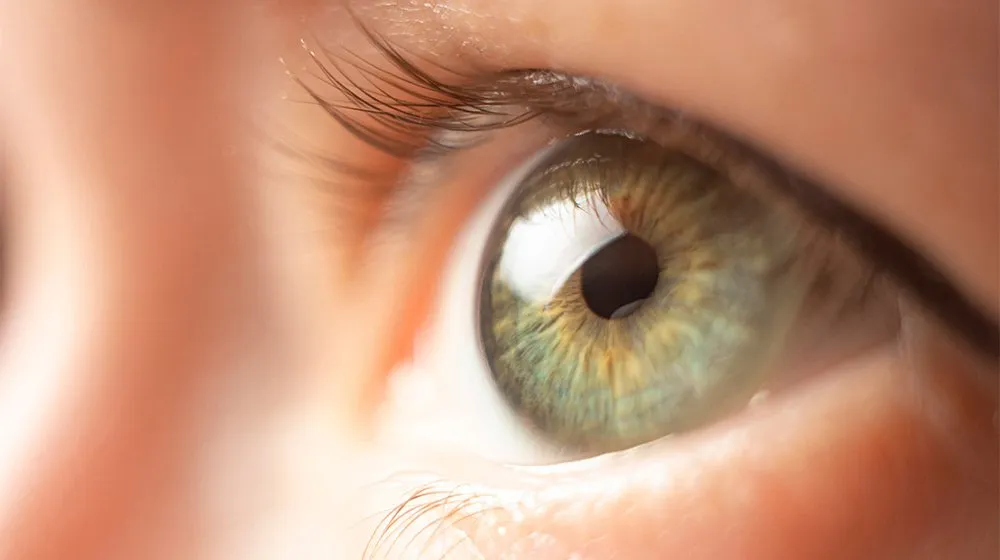
Vision check
Precise measurement of what you can see near and far, including colour and stereo vision.
A general consultation at European Eye Center is your first step toward clear answers about your eye health. We listen, examine, explain with full clarity.

Both of our ophthalmologists trained in Europe — Utrecht, Leuven, St. Petersburg. The standards travel with them.
Our dedicated team of nurses and optometrists assists our doctors to make your visit as efficient as possible.
Measurements before recommendations, every single time. Topography, OCT, biometry — when necessary.
We walk through findings with the imaging open in front of you, not summarised in jargon afterwards. You see what we see.
We answer all your questions and explain in a language you understand.
After each examination, we will recommend the most appropriate next steps, always based on what is genuinely needed for your eye health and lifestyle.
A consultation isn't one person. Behind the doctor sit the technologists, the optometrist, and the coordinator who keep the visit on rails.

Precise measurement of what you can see near and far, including colour and stereo vision.
A handful of conditions look the same but behave differently. The slit lamp tells us which.
Tear deficiency or meibomian gland dysfunction — the right treatment depends on which mechanism is at play.
Myopia, hyperopia, astigmatism, presbyopia — named, measured, and explained in language you can use.
A non-contact measurement of your eye pressure that is standard for all adults.
A routine check of your optic nerve and macula, the central part of the back of your eye.
Even when nothing's wrong, a baseline is the best thing to have. We measure now so we can compare later.
Eye symptoms can have many different causes.
If you are unsure what is causing your symptoms, an eye consultation can help identify the problem and guide the right treatment.
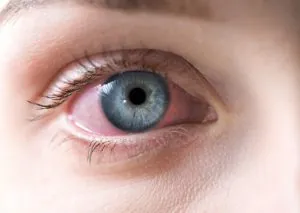
Red or irritated eyes can happen for many reasons, including dryness, allergies, infection, inflammation, contact lens irritation, screen-related eye strain, or exposure to dust, wind, smoke, or chemicals. You may also notice burning, stinging, a gritty feeling, or general discomfort.
You should book an eye consultation if the redness does not improve, keeps coming back, affects one eye more than the other, or is accompanied by pain, discharge, light sensitivity, or blurred vision.
Dry, watery, or itchy eyes are often linked to dry eye disease, allergies, tear film imbalance, eyelid inflammation, screen use, contact lenses, or environmental factors such as air conditioning, heating, wind, or pollen. Although watery eyes may seem opposite to dry eyes, they can sometimes happen when the eyes are irritated and produce reflex tears.
A consultation can help determine whether your symptoms are caused by dryness, allergy, eyelid problems, blocked tear drainage, or another eye condition, and help you find the most suitable treatment.
Blurry, cloudy, or distorted vision can be caused by a change in glasses prescription, dry eye, cataracts, corneal problems, retinal conditions, eye pressure problems, or other changes inside the eye. Some people notice difficulty reading, trouble seeing screens, hazy vision, or straight lines appearing wavy.
You should book an eye consultation if your vision is not as clear as usual, if symptoms are affecting daily activities such as reading or driving, or if the change is new or worsening.
Halos around lights, glare, and difficulty seeing at night can be linked to cataracts, dry eye, prescription changes, corneal conditions, contact lens issues, or eye pressure problems. These symptoms may be especially noticeable when driving at night, looking at headlights, or moving between bright and dark environments.
An eye consultation can help check whether the symptoms are related to the front of the eye, the lens, your prescription, or another eye health issue. If halos occur with eye pain, headache, nausea, or sudden blurred vision, seek urgent eye care.
Eye pain, discomfort, or sensitivity to light can have several causes, including dry eye, inflammation, infection, corneal irritation, foreign body sensation, eye strain, injury, or pressure-related problems. The discomfort may feel sharp, aching, burning, gritty, or like pressure behind the eye.
Because eye pain can sometimes indicate a condition that needs prompt treatment, it is best to book an eye consultation if the symptom is persistent, worsening, or associated with redness, blurred vision, discharge, or light sensitivity.
Floaters may appear as small dots, lines, cobwebs, or specks moving across your vision. Flashes can look like brief sparks or streaks of light. These symptoms may be related to natural changes inside the eye, but they can also be linked to retinal traction, retinal tears, or retinal detachment.
You should arrange an eye assessment if you notice new floaters, new flashes, or a sudden change in symptoms. If you see a curtain, shadow, or dark area in your vision, seek urgent eye care immediately.
Eyelid swelling, lumps, or styes can be caused by blocked oil glands, infection, inflammation, allergies, blepharitis, irritation, or skin-related conditions around the eyes. You may notice tenderness, redness, swelling, crusting, or a small bump on the eyelid.
Book an eye consultation if the swelling or lump is painful, recurrent, growing, affecting your vision, or not improving. An eye specialist can check the eyelid and advise on the most appropriate treatment.
Headaches, squinting, one eye turning inwards or outwards, or trouble focusing can be related to a change in prescription, eye strain, screen use, dry eye, focusing imbalance, binocular vision problems, amblyopia or difficulty with near or distance vision. These symptoms may be more noticeable when reading, using a computer, driving, or concentrating for long periods.
A consultation can help assess your vision, eye comfort, focusing ability, and overall eye health. If headaches are sudden, severe, or associated with vision loss, double vision, eye pain, or neurological symptoms, seek urgent medical advice.