
Lead Ophthalmologist · Cataract and Retina Surgeon
Dr. JD Ferwerda, MD
Dr. JD Ferwerda, MD: Dutch-trained ophthalmologist specialising in cataracts, lens exchange, retinal disease, glaucoma, and AMD.
Persistent eyelid irritation may have more than one cause. Demodex mites are tiny organisms commonly found on facial skin; in some people, an overgrowth may be associated with inflammation around the eyelids and eyelashes — Demodex blepharitis. Because itching, burning, crusting and a gritty feeling overlap with ordinary blepharitis, dry eye, meibomian-gland dysfunction and rosacea, a close eye examination helps identify the pattern and guide the right care.
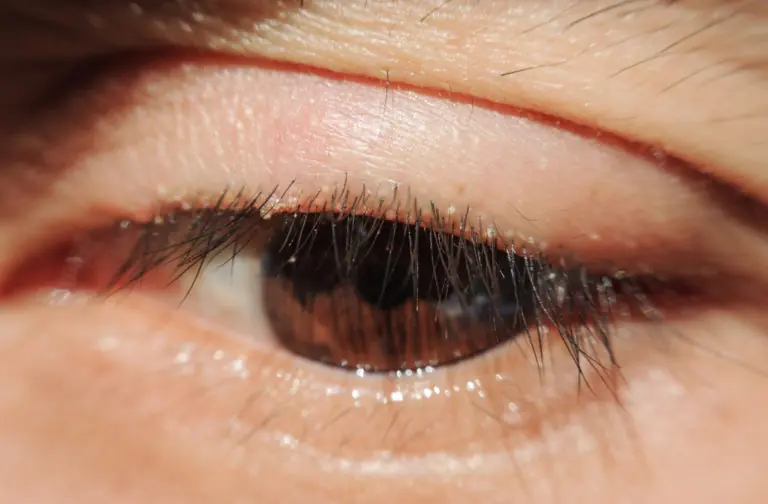
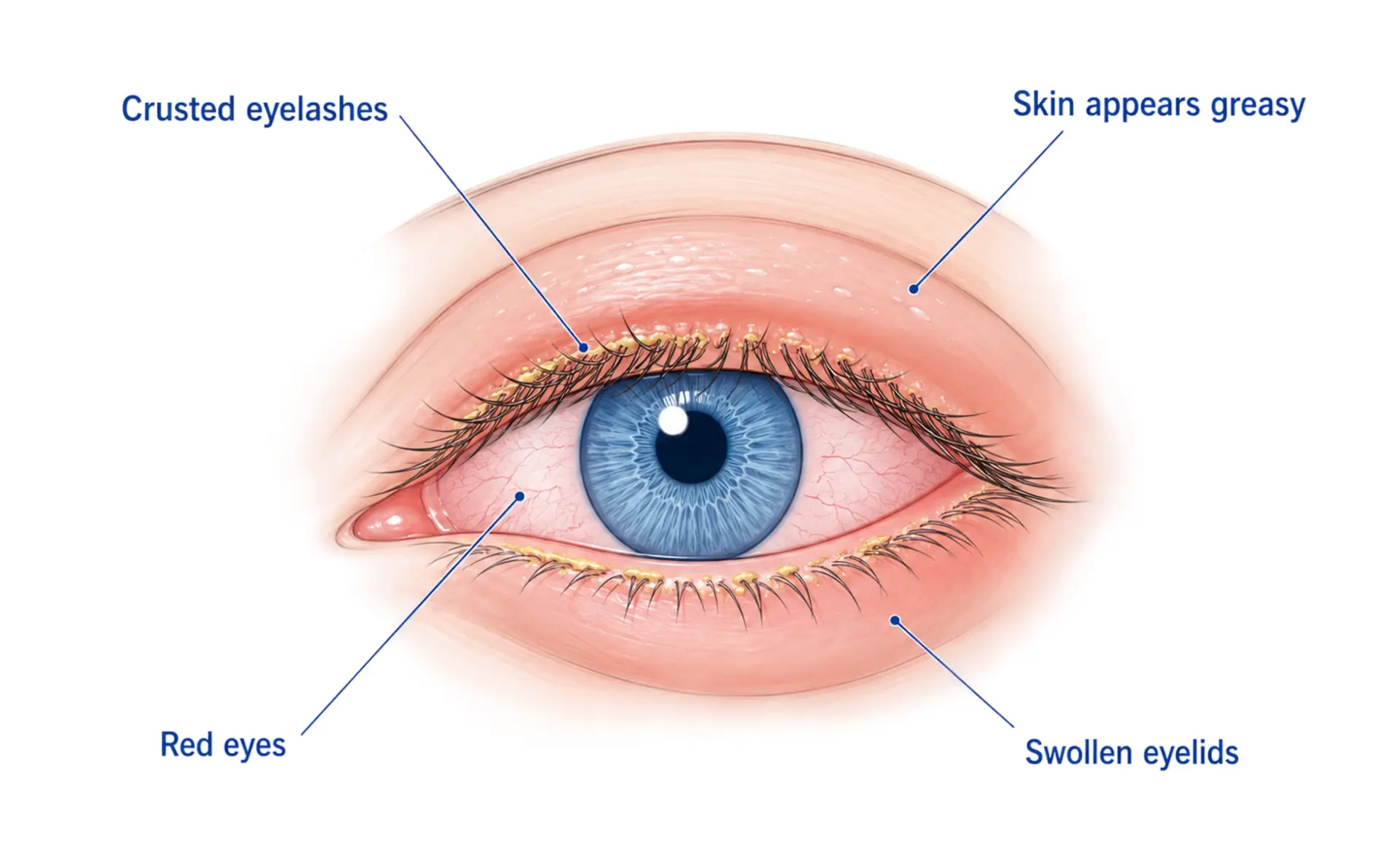
Demodex blepharitis often shows itself at the base of the eyelashes — and its symptoms are easy to mistake for ordinary dry or sensitive eyes.
Itchy eyelids, or a persistent urge to rub the eyes
Burning, stinging or a gritty foreign-body sensation
Crusting or sleeve-like debris around the base of the eyelashes
Redness or thickening along the eyelid margins
Watery, dry or irritated eyes
Recurrent blepharitis, styes or chalazia
Fluctuating blur related to an unstable tear film
Eye pain, light sensitivity, marked redness, worsening vision, significant swelling or
feeling unwell needs urgent assessment. These symptoms should not be attributed to Demodex
without an eye examination.
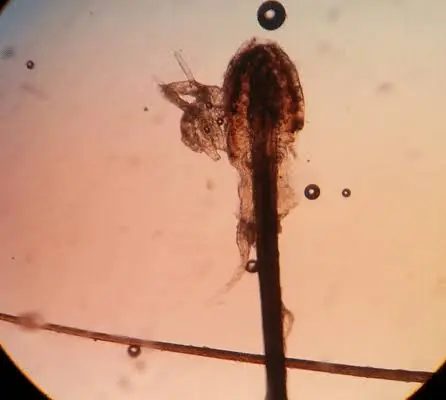
Demodex are microscopic mites that live in hair follicles and oil-producing glands — they are commonly found on human skin. The important question is not simply whether Demodex is present, but whether the amount, and the eyelid findings, fit with active inflammation.
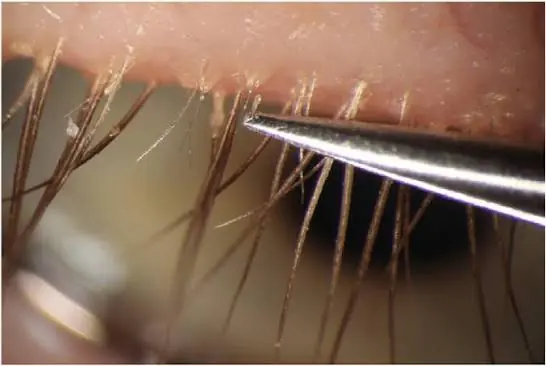
A clinician looks for collarettes — sometimes described as cylindrical dandruff, or sleeves of debris around the base of the eyelashes. They are an important clue when assessing possible Demodex blepharitis, but they are difficult to see accurately in a mirror.
Detecting Demodex alone does not always mean treatment is needed. What matters is the amount, and whether the eyelid findings fit active inflammation.
Itching, crusting or eyelid irritation keeps returning
Recurrent styes, chalazia or blepharitis
Sleeve-like debris at the lash roots, or no improvement with routine eyelid care
Associated dry eye, meibomian-gland dysfunction or rosacea

Your ophthalmologist asks about itching, burning, crusting, dry-eye symptoms, previous treatments and recurrence, then examines the eyelid margins, eyelashes, conjunctiva and cornea closely under magnification.
Diagnosis is usually based on the history and close examination. Microscopic confirmation is not always necessary — and a positive finding is interpreted in the context of symptoms and signs.
Treatment depends on the examination. Eyelid care is often part of ongoing management rather than a single quick fix — your ophthalmologist explains how to clean the lash margins safely and how long to continue, and follow-up may be useful when symptoms are persistent or recurrent.
Dr. JD Ferwerda, MD: Dutch-trained ophthalmologist specialising in cataracts, lens exchange, retinal disease, glaucoma, and AMD.
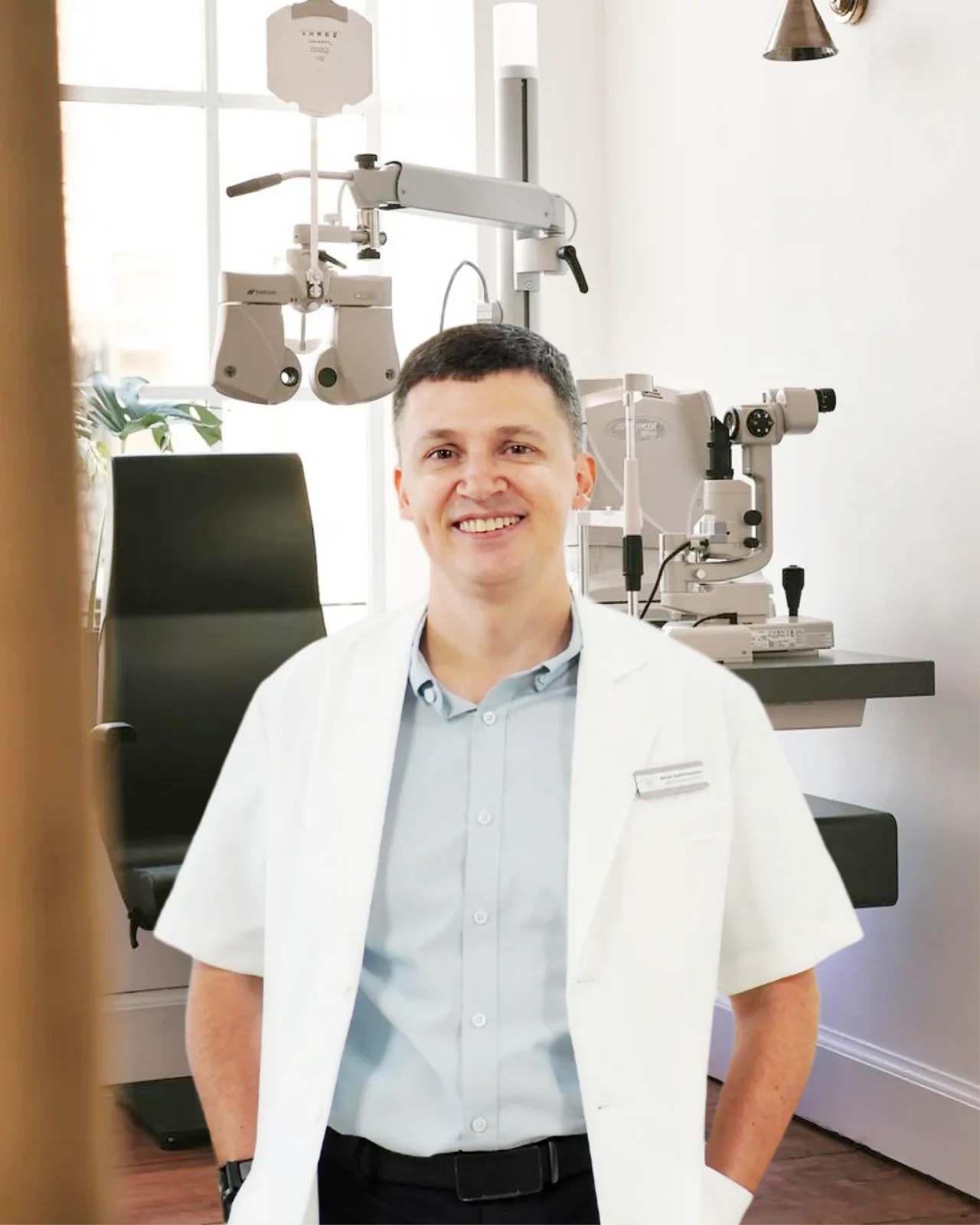
Russian-trained refractive and general ophthalmologist, leads lasik/ laser vision correction at EEC

