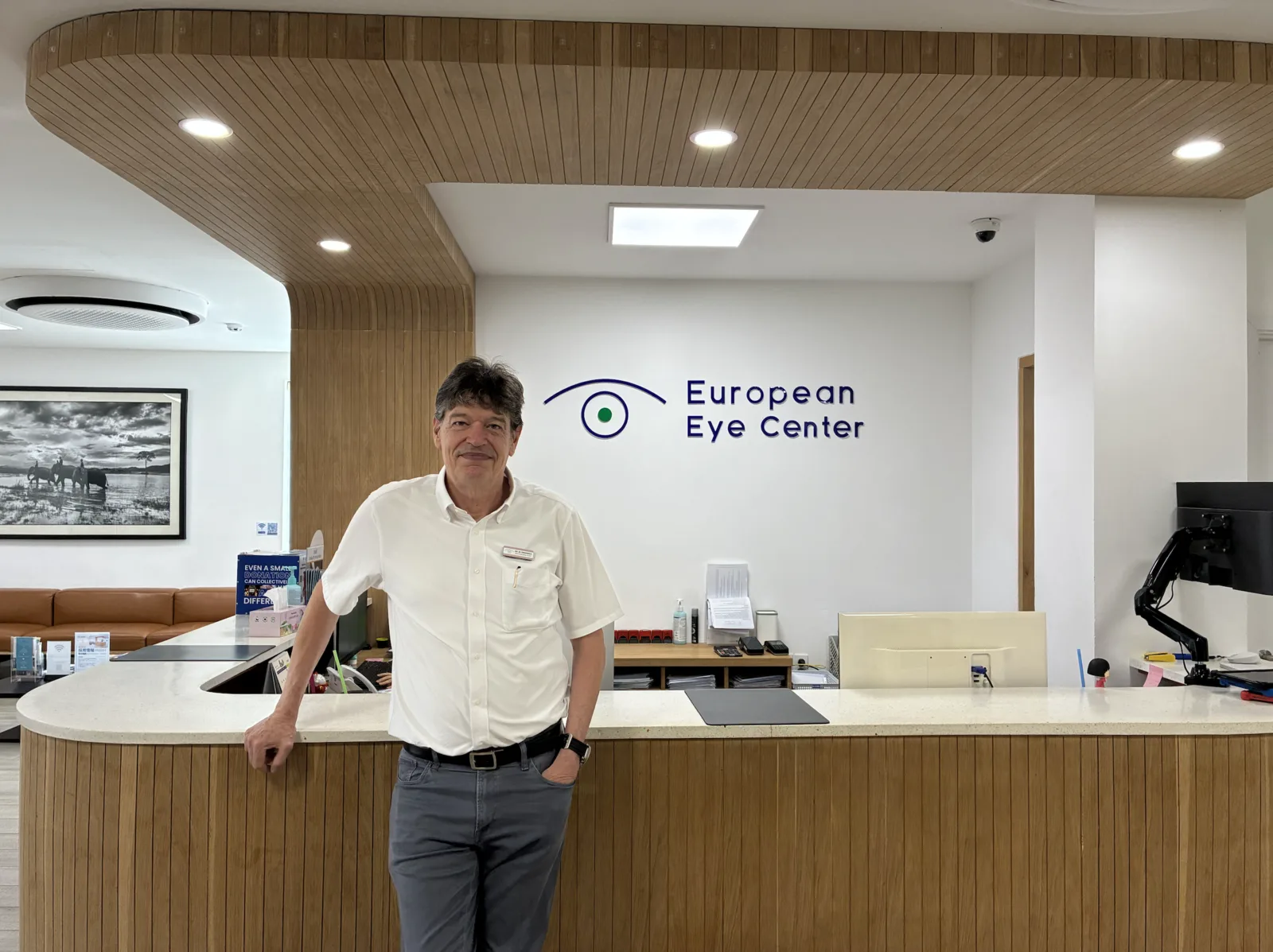
Lead Ophthalmologist · Cataract and Retina Surgeon
Dr. JD Ferwerda, MD
Dr. JD Ferwerda, MD: Dutch-trained ophthalmologist specialising in cataracts, lens exchange, retinal disease, glaucoma, and AMD.
The eye's natural lens stiffens with age, and somewhere in the mid-forties the close-up range starts to slip. Print drifts out of focus, then back in if you push the page further away. Presbyopia is biology, not pathology — and there is more than one way to restore near vision

Book a consultation if reading small print feels harder or your eyes tire quickly.
Presbyopia is the slow loss of the lens's ability to change shape on demand. Inside the eye sits a flexible crystalline lens, suspended by tiny fibres and surrounded by the ciliary muscle. To bring a near object into focus, the muscle contracts and the lens becomes rounder. The muscle still works fine in middle age — the lens itself is what hardens, year on year, until it can no longer flex enough to deliver close focus. Most people start noticing the change somewhere in their mid-forties, and the range continues to shrink into the sixties.

Almost everyone develops presbyopia, and almost everyone is surprised by how quickly it arrives. Patients often arrive convinced they've ruined their eyes with screens, or that something more serious is at work. Most of the time the answer is simpler: the lens is doing what lenses do as the decades pass, and the symptom is the same whether you read on paper or a phone.
A pair of off-the-shelf reading glasses works well for many people for a year or two. A specialist visit becomes worthwhile when life starts working around the eyes, instead of the other way round.
You're holding everything further out and the arms have run out of length
Dim restaurants and dim cafes have become quietly difficult
You own three or four pairs of readers and still can't find the right one
You've started thinking about refractive lens exchange or Prelex
Distance vision has also softened — cataract may be in the picture
You've tried varifocals and the brain refuses to settle into them
Two patients of the same age can sit in the same chair with very different lenses inside. Biometry tells us the eye's axial length and the curvature of the cornea; topography maps the front surface for any irregularity; lens imaging shows whether the crystalline lens is still clear or already turning. Together these measurements are what separate "a stronger pair of readers" from a serious conversation about refractive lens exchange. Nothing is recommended before the numbers are on the screen.
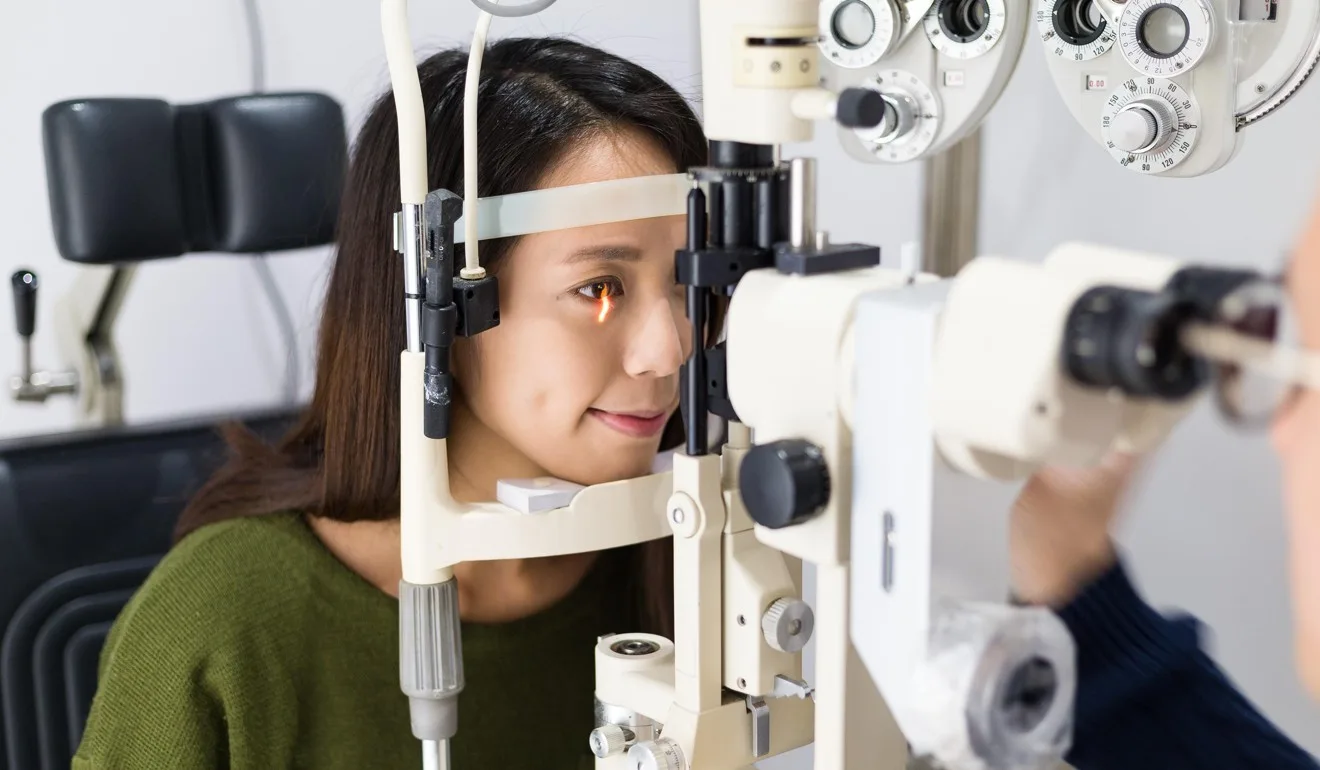
A first presbyopia assessment is thorough. A second visit is sometimes useful before any surgical decision.
What you've stopped being able to read, when it started, the work and hobbies that depend on near vision, and what you've tried so far.
Refraction at three distances, slit-lamp lens examination, biometry, corneal topography, tear film and ocular surface review.
Your doctor walks through what the imaging shows and which corrections fit — readers, multifocal contacts, varifocals, or refractive lens exchange.
A written plan with the next review date. For most patients, presbyopia is reassessed every twelve to eighteen months as the lens continues to age.
Dr. JD Ferwerda, MD: Dutch-trained ophthalmologist specialising in cataracts, lens exchange, retinal disease, glaucoma, and AMD.
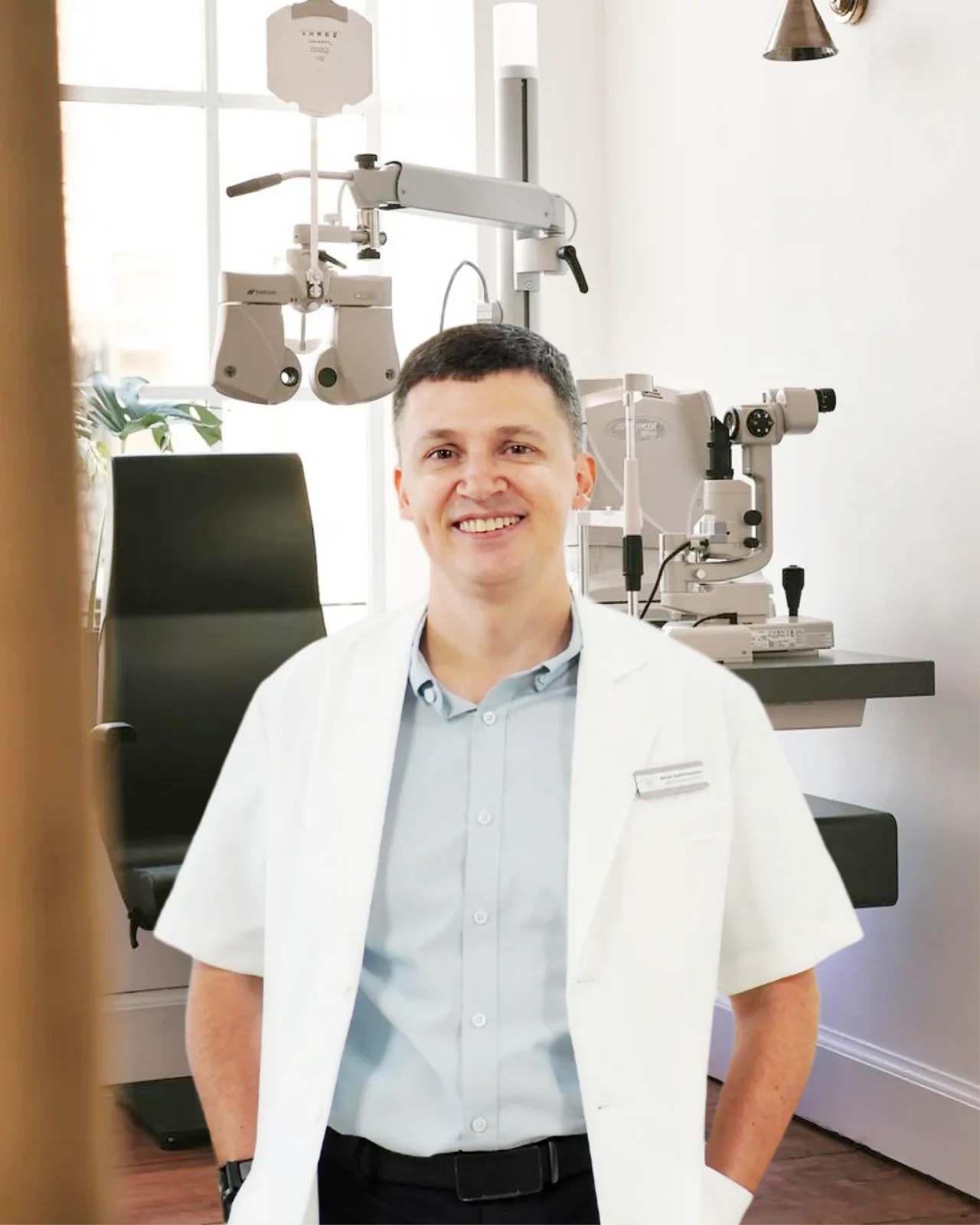
Russian-trained refractive and general ophthalmologist, leads lasik/ laser vision correction at EEC

