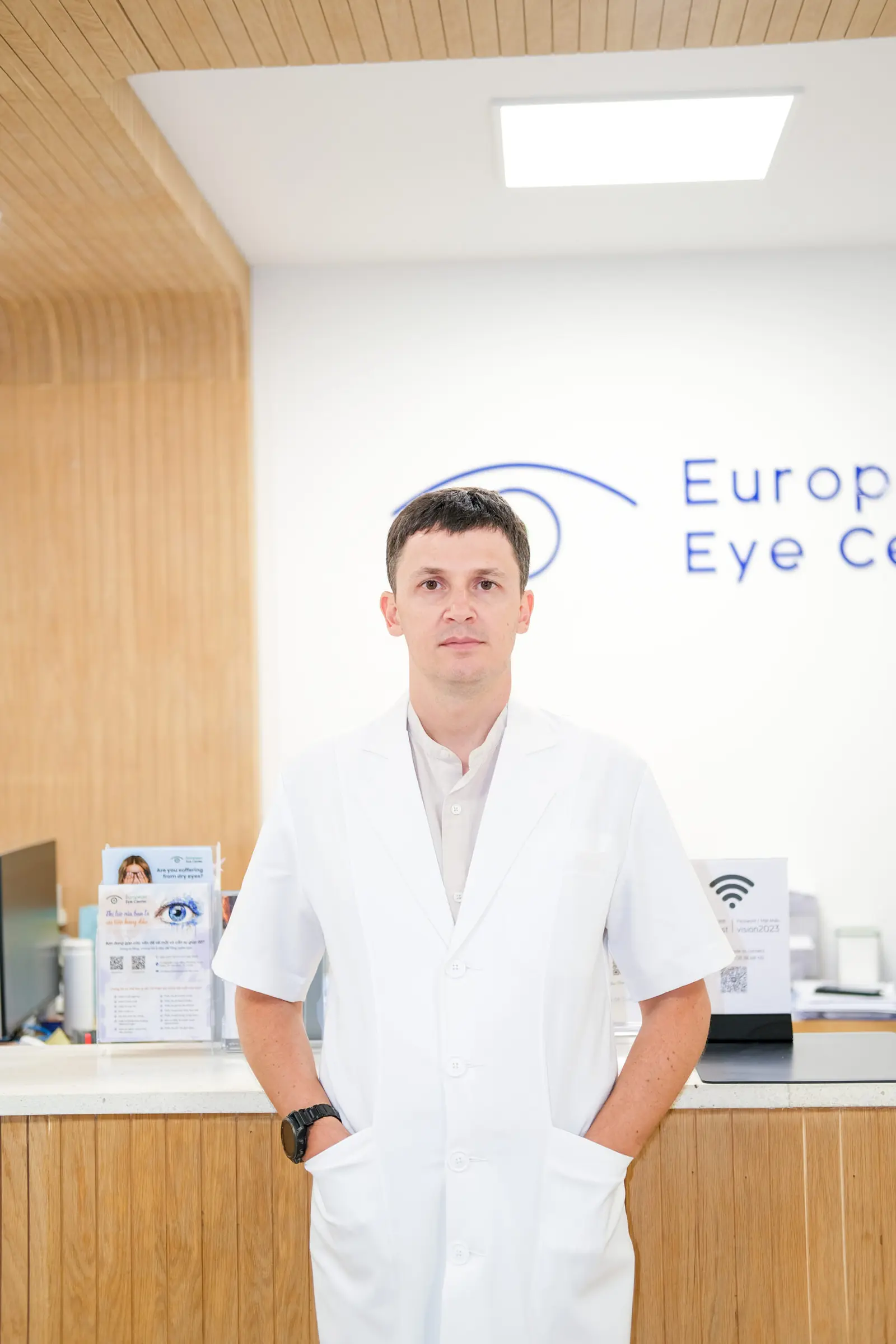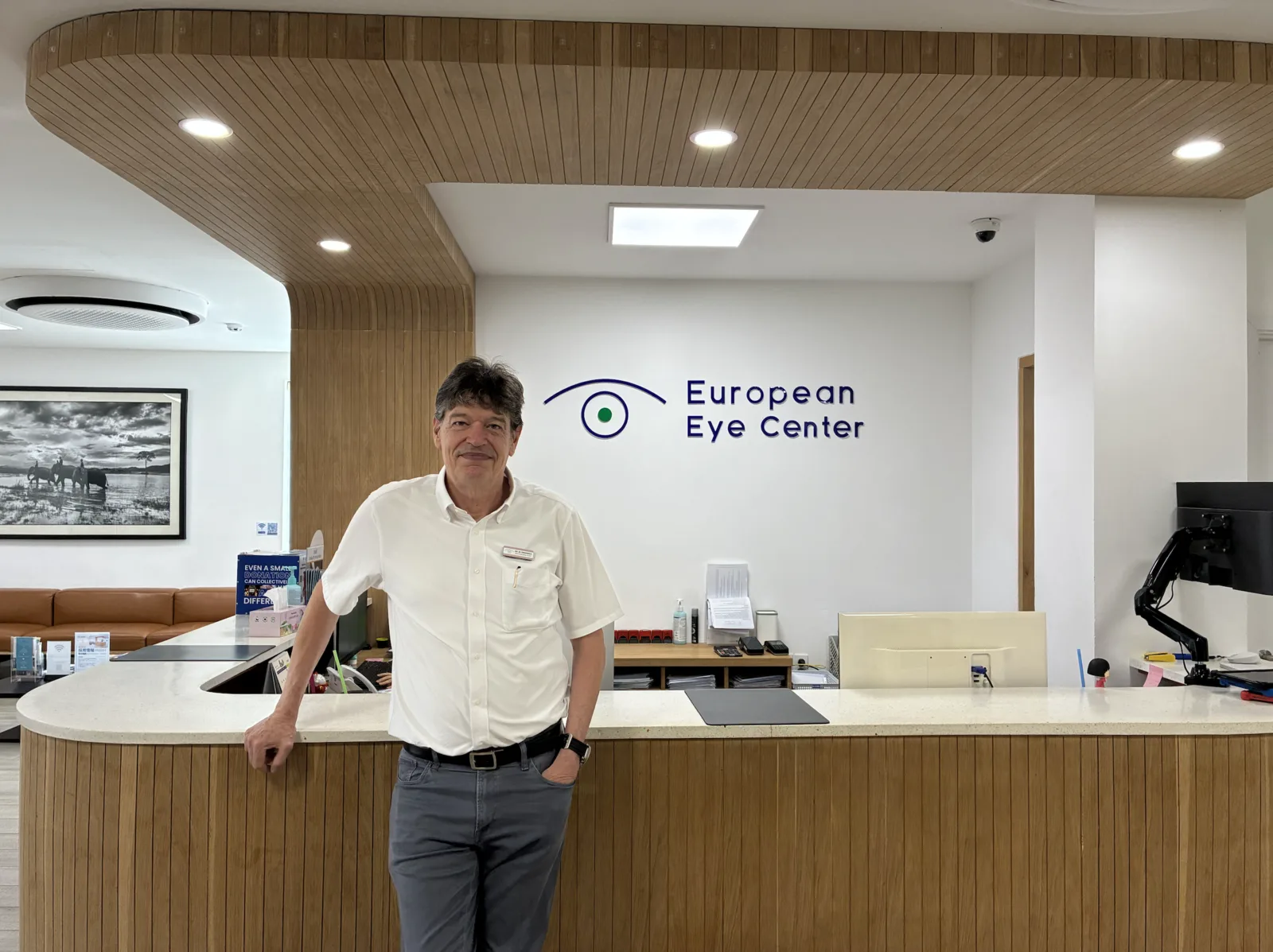
Lead Ophthalmologist · Cataract and Retina Surgeon
Dr. JD Ferwerda, MD
Dr. JD Ferwerda, MD: Dutch-trained ophthalmologist specialising in cataracts, lens exchange, retinal disease, glaucoma, and AMD.
LASIK is one of the most studied refractive procedures in the world — but it isn't right for everyone. Our doctors begin with a careful in-clinic assessment, and only proceed when the measurements, your eye health, and your lifestyle line up.

LASIK reshapes the surface of the cornea so that light entering the eye focuses precisely on the retina. The surgeon uses a femtosecond laser to create a thin flap on the cornea, lifts it, applies an excimer laser to remove a calculated amount of tissue underneath, then replaces the flap. The flap settles back into position naturally and seals over the following hours and days.
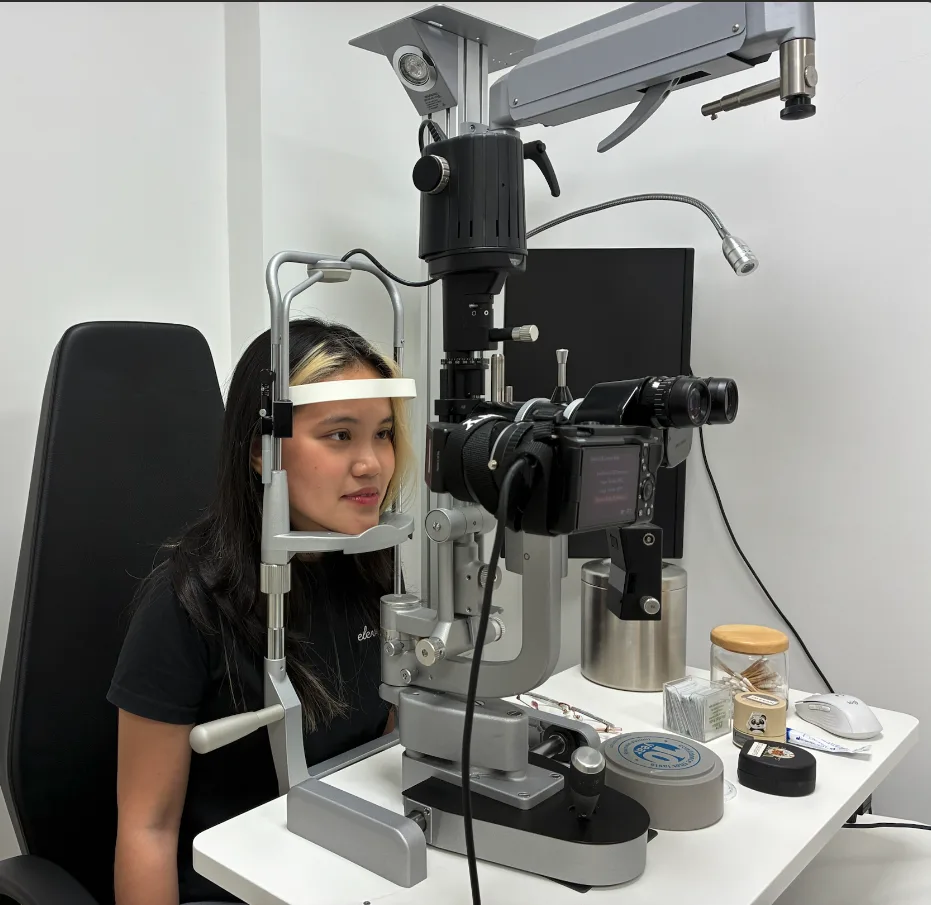
LASIK is most often used to correct myopia (short-sightedness), hyperopia (long-sightedness), and astigmatism, alone or in combination. The right candidate has a stable prescription, healthy corneas of sufficient thickness, and no active ocular surface or retinal disease.
LASIK isn't the right answer for everyone. Patients with thin or irregular corneas, advanced presbyopia, untreated dry eye, or certain retinal conditions are usually better served by alternatives — Trans-PRK, SMILE, ICL, or refractive lens exchange among them. Your doctor will name the trade-offs honestly during your assessment.
Five quick questions. We'll tell you whether a consultation is likely to be useful right now, or whether another path makes more sense first. The pre-screen isn't a diagnosis — only a full in-clinic assessment is.
Most LASIK patients see well enough to drive within 24–48 hours, but the cornea continues to settle for weeks. Following the aftercare plan is what protects the result.
Light sensitivity, watering, and mild grit are normal. Sleep with the protective shields on. Use the prescribed drops on schedule. Avoid screens for the rest of the day.
No rubbing, no swimming, no eye makeup. Avoid dusty environments. You'll likely return to desk work within 1–3 days — ask your surgeon about your specific role.
No contact sports. Sunglasses outdoors. Continue lubricating drops — some dryness is expected as corneal nerves settle. Your prescription is still stabilising.
Reviews at Day 1, Week 1, Month 1, then at 3, 6, and 12 months. Most patients reach steady-state vision around the 3-month mark. We track it for the full year.
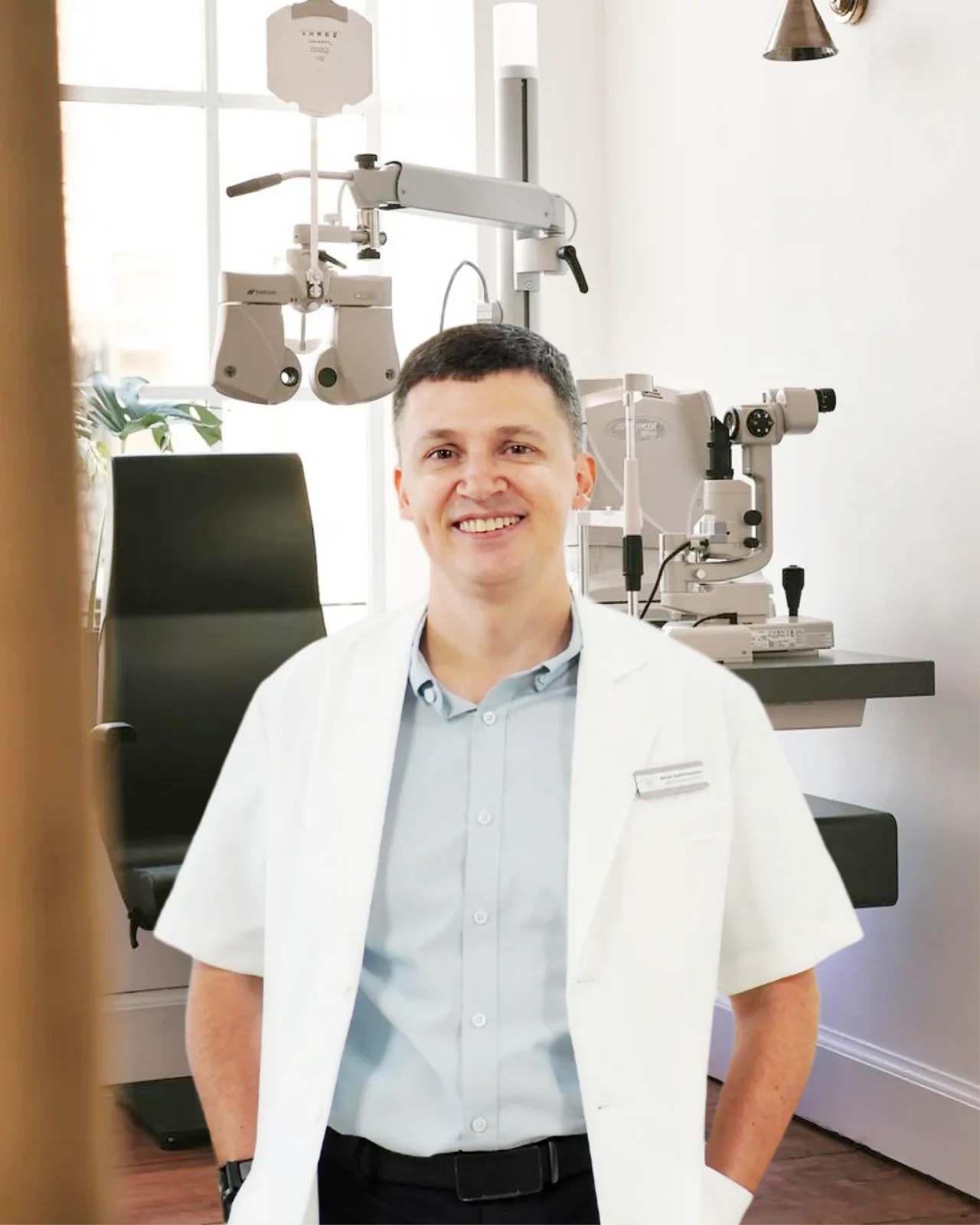
Russian-trained refractive and general ophthalmologist, leads lasik/ laser vision correction at EEC
If your question isn't here, ask it during your consultation — or send it through and we'll come back with a written answer.
The laser portion is roughly ten minutes per eye. You're in the theatre suite for about an hour total once preparation, the procedure itself, and the post-op rest are added together.
Numbing drops handle pain. What patients describe is pressure during the flap creation — brief, several seconds — followed by a faint smell and the sensation of cool air. Discomfort starts after the drops wear off and is usually mild for 4–6 hours.
Most patients are cleared to drive after the Day-1 review. Office work resumes within 1–3 days. Roles involving dust, water, or contact — construction, swimming coaching, martial arts — need a longer pause. Your surgeon will give you specific dates.
Yes. Bilateral same-day LASIK is the standard for most patients. The two eyes are operated on sequentially in the same session. There are reasons we'd stage them across two days — if so, your surgeon will explain why.
Untreated dry eye changes the recovery experience and can affect outcomes. We screen for it at assessment. If it's significant, we treat it first — lid hygiene, lubrication, sometimes IPL or punctal plugs — and reassess once the surface is stable.
You lie back. The eye is gently held open. You see a soft, blurred light to focus on. There are a few seconds of pressure during flap creation, then the excimer laser does its work in under a minute. Most patients describe it as strange more than uncomfortable.
Sometimes that's LASIK. Sometimes it's a different procedure. Sometimes it's "wait and watch." The point of a consultation is to find out, honestly.
Book a consultation →