

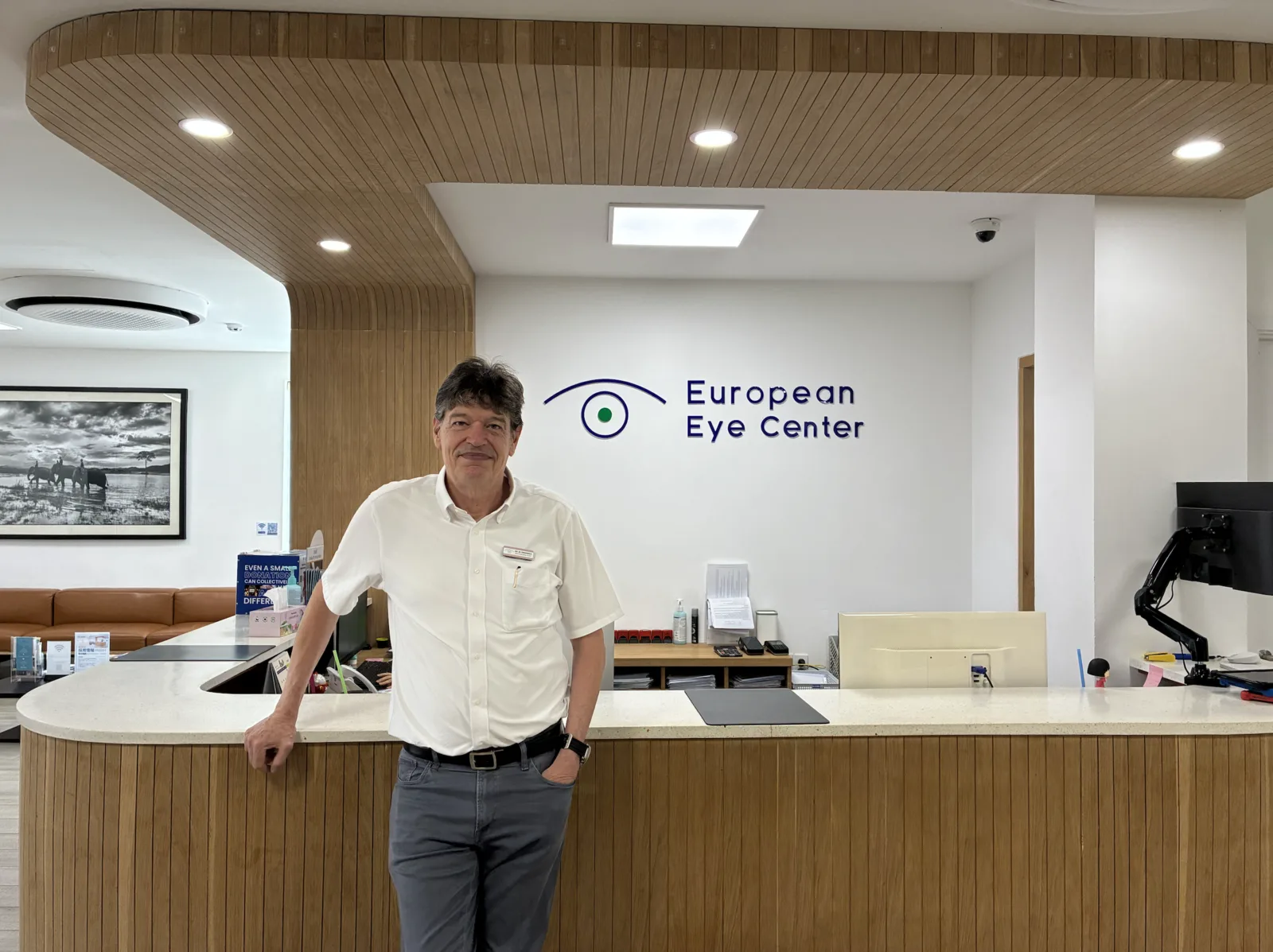
Lead Ophthalmologist · Cataract and Retina Surgeon
Dr. JD Ferwerda, MD
Dr. JD Ferwerda, MD: Dutch-trained ophthalmologist specialising in cataracts, lens exchange, retinal disease, glaucoma, and AMD.
Often called "lazy eye", amblyopia is a developmental imbalance that takes hold during the first years of childhood. The visual brain stays plastic until roughly age eight — and that is the window in which treatment makes the largest difference. When detected early, amblyopia often responds well to treatment.
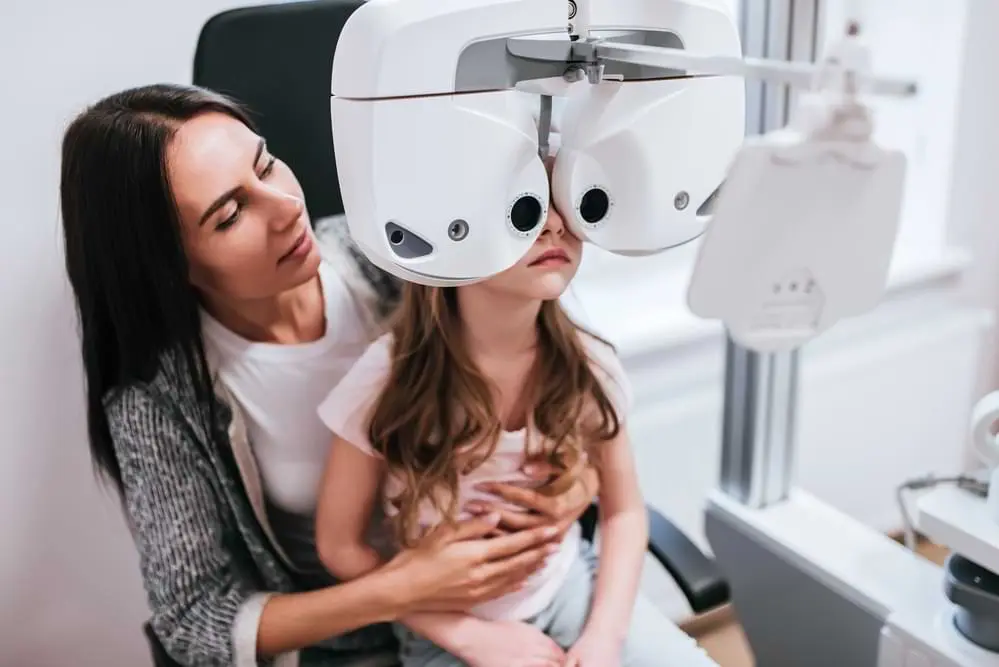
Amblyopia is a developmental vision disorder that begins in early childhood. When one eye sends a blurrier or misaligned image, the brain suppresses its input and relies on the stronger eye. Over time, this suppression becomes established, leaving the affected eye with reduced vision even after the original cause is corrected.
If your child squints, tilts their head, or sees poorly, book a consultation today.
One eye seems to wander or drift
Your child tilts or turns their head
Squinting or closing one eye to focus
Bumping into things on one side
Poor depth perception when reaching or catching
Sitting very close to screens and books
Eye strain, headaches, or tired eyes
Reluctance to cover the stronger eye
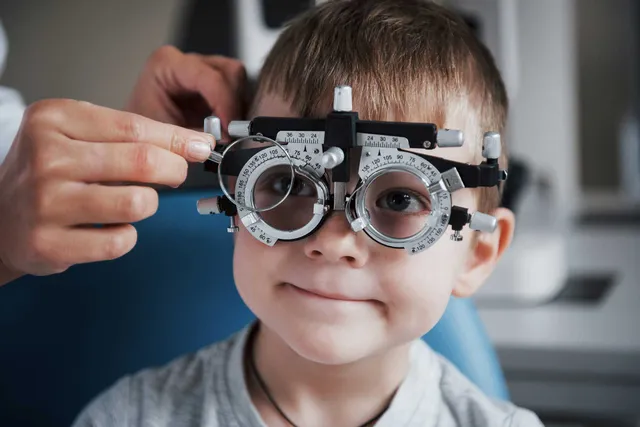
Children with amblyopia rarely notice symptoms because the stronger eye compensates, masking reduced vision When detected early, amblyopia often responds well to treatment.

Assessment includes eye-by-eye vision testing, alignment checks, cycloplegic refraction, and fundus examination to confirm amblyopia and exclude structural disease.
Treatment starts with glasses, followed by patching or atropine when needed, with regular reviews to adjust therapy based on progress.
Correct the refractive error and reassess the vision.
Calibrated hours, age-appropriate, parent-supported
An alternative when patching isn't working
The plan is adjusted according to the child's response.
Dr. JD Ferwerda, MD: Dutch-trained ophthalmologist specialising in cataracts, lens exchange, retinal disease, glaucoma, and AMD.
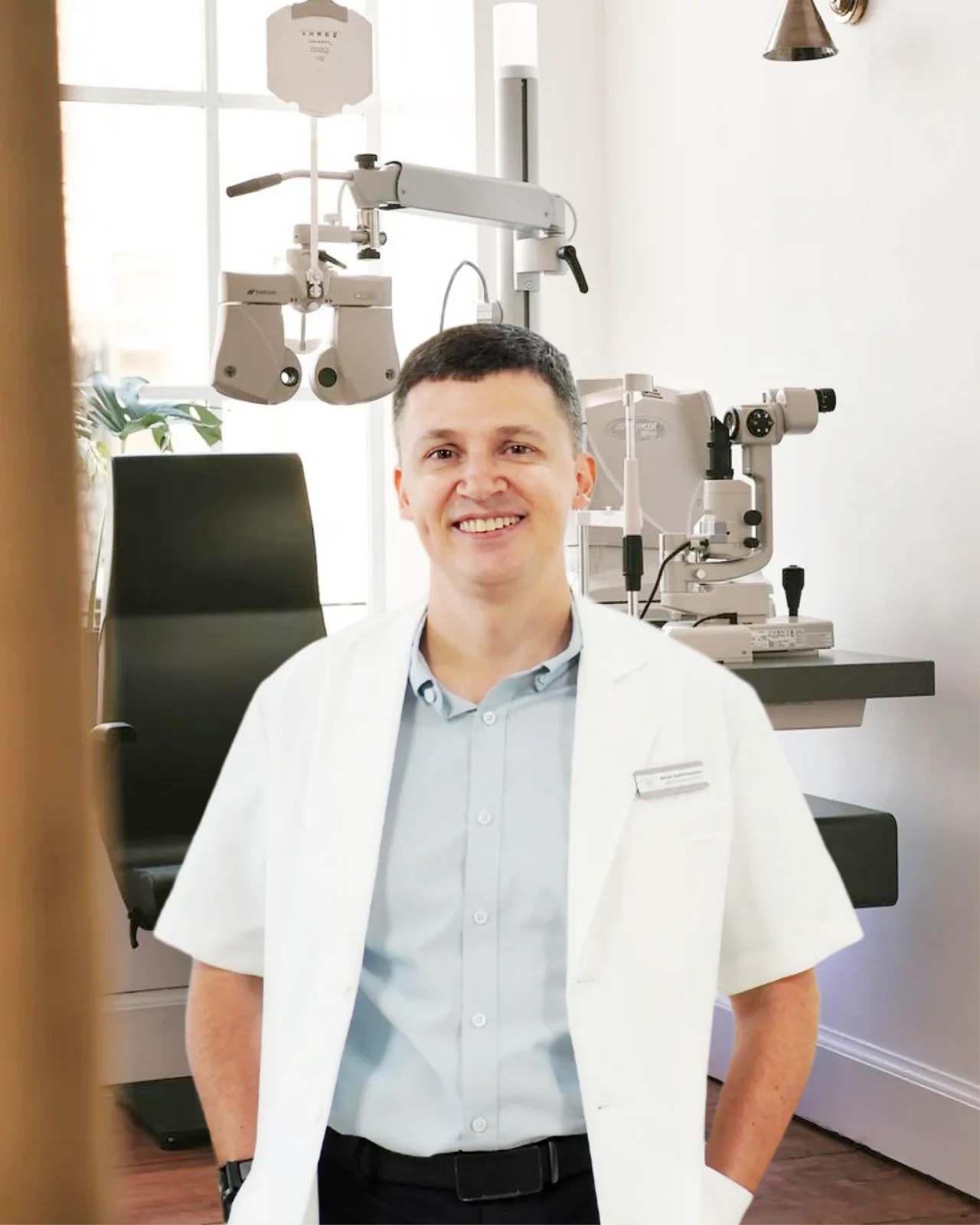
Russian-trained refractive and general ophthalmologist, leads lasik/ laser vision correction at EEC