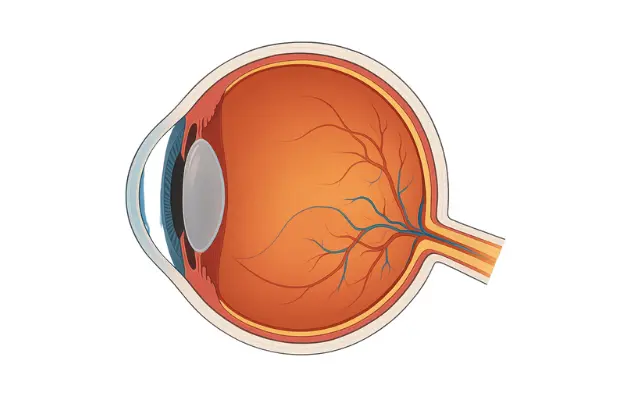
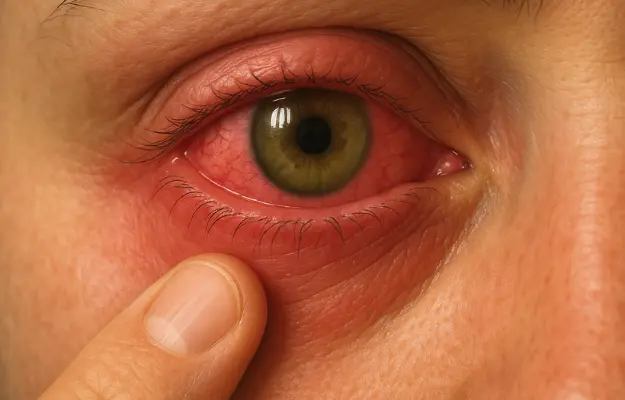
The eyes are not just the "windows to the soul" but are also a child's most vital tool for exploring, learning, and connecting with the world around them. However, vision problems in children are becoming increasingly common, causing great concern for parents. In particular, certain eye conditions with a hereditary origin require special attention and early intervention from the family.
This article serves as a comprehensive guide, delving into common vision problems in children, highlighting the role of hereditary conditions, and providing practical advice for parents to effectively prevent, detect, and care for their child's eyes, ensuring they have a bright future.
Common Eye Problems in Children
Early detection of any abnormalities is key to protecting a child's vision. If diagnosed and treated promptly, most of these issues can be corrected.
Refractive Errors
This is the most common group of vision problems, affecting a child's ability to see clearly at different distances.
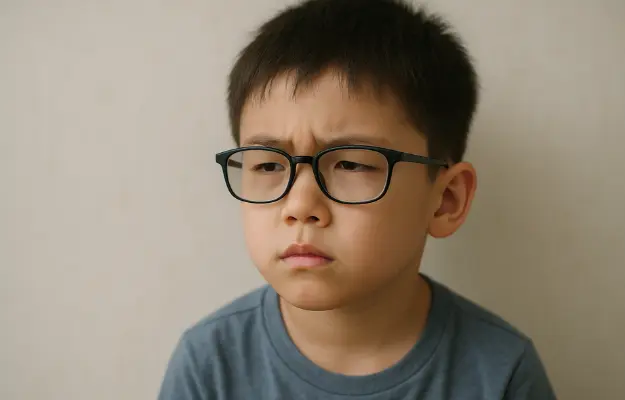
- Myopia (Nearsightedness): Children have difficulty seeing distant objects and often squint or tilt their heads to see things like a blackboard or TV clearly. This condition can be caused by genetic factors or lifestyle habits (excessive screen time, reading at a very close distance).
- Hyperopia (Farsightedness): In contrast to myopia, children with hyperopia have difficulty seeing near objects and may experience eye strain or headaches when reading.
- Astigmatism: This is a condition where the cornea or lens has an irregular shape, causing light entering the eye to refract unevenly. Children with astigmatism may have blurred or distorted vision at all distances.
>> Common Refractive Errors and Effective Treatment Methods
Strabismus (Crossed Eyes)
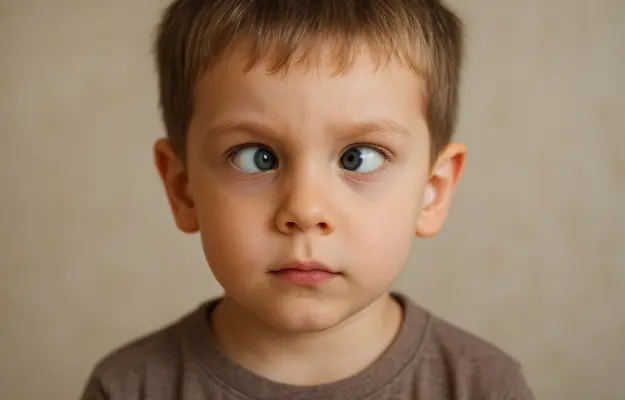
Strabismus is a condition where both eyes do not align correctly, with each eye looking in a different direction. It can occur intermittently or constantly and may be a sign of a neurological issue or a disorder of the eye muscles. If left untreated, strabismus can lead to amblyopia and affect a child's depth perception.
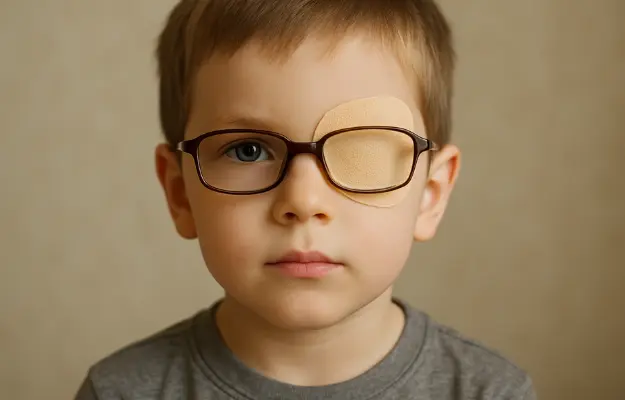
Amblyopia (Lazy Eye)
Amblyopia is a condition where the vision in one or both eyes does not develop fully, even with corrective lenses. It usually occurs in one eye due to a significant difference in refractive error or strabismus. This is a serious issue because vision develops most rapidly during the first 7-8 years of life. If not treated during this critical period, the chances of vision recovery are very low.
Hereditary Eye Conditions
Some serious eye diseases can be passed down from parents to children. Understanding these conditions helps parents be more proactive in monitoring and seeking early screenings for their children.
Congenital Cataracts
This is a condition where a child's lens is cloudy from birth, blocking light from reaching the retina. The condition can be hereditary, caused by infections during pregnancy (like rubella), or other genetic syndromes. Congenital cataracts can lead to severe vision loss and require early surgery to restore the light pathway and stimulate visual development.
Congenital Glaucoma
This is a condition where pressure inside the eye is elevated, causing damage to the optic nerve. It can be hereditary and often manifests early in young children with symptoms like an enlarged, cloudy cornea, light sensitivity, and excessive tearing. If left untreated, glaucoma can lead to permanent blindness. Parents with a family history of this condition should be particularly vigilant and have their children's eyes checked regularly.
Retinitis Pigmentosa
This is a group of progressive, hereditary diseases that damage the light-sensitive cells (rods and cones) in the retina. Initial symptoms often include a decrease in night vision and difficulty adapting to low light. Over time, the disease causes a narrowing of the visual field and can lead to blindness. While there is no definitive cure, early detection and supportive treatment can help slow the disease's progression.
>> Retinopathy of Prematurity (ROP) in Preterm Infants: Causes, Symptoms, and Treatment
Signs and Care: How Parents Can Protect Their Child's Eyes
Early detection of eye problems is of utmost importance. Parents should regularly observe their children and take them for routine eye exams.
Early Signs
- Vision: The child frequently squints, tilts their head, or covers one eye when looking.
- Behavior: They rub their eyes often, blink excessively, or appear sensitive to light.
- Distance: They sit too close to the TV or hold a book very near their face.
- Appearance: Their eyes are not aligned correctly (strabismus), they have a white spot in the pupil, or an abnormal pupillary reflection.
Expert Advice on Eye Care
- Regular Eye Exams: An ophthalmologist can detect eye problems early, especially hereditary conditions, and provide a timely treatment plan. A child should have their first eye exam at 6 months of age, followed by another at age 3, before starting school, and annually thereafter.
- Nutrition: Supplement their diet with foods rich in Vitamin A (carrots, pumpkin), Vitamin C (oranges, strawberries), and Omega-3 (salmon) to nourish healthy eyes.
- Limit Screen Time: Reduce the time children spend on phones, computers, and TVs. Encourage outdoor activities to allow their eyes to relax and be exposed to natural light.
- Ensure Proper Lighting: Use adequate lighting when a child is studying or playing, and avoid light that is too bright or too dim.
Conclusion
Eye problems in children, including hereditary conditions, are not uncommon. However, with the right care and attention, parents can help their children have healthy vision. Regular eye exams, being proactive about family medical history, and creating a healthy living environment are the most crucial steps to protect their sight, giving them a bright and fulfilling future. Be a trusted partner in protecting the "windows to the soul" for your beloved child.