Sharper, more stable vision
A stable tear film supports clearer, more consistent vision and more reliable eye measurements.
Read more →Dry eye is rarely just dryness — and the right answer is rarely just more drops. Our European-trained specialists take the time to find out what's actually causing the discomfort, and walk you through what we see.

Book a consultation if dryness, burning, or blurred vision persists or affects daily activities.
Gritty or sandy feeling in the eyes
Burning or stinging sensation
Blurred vision that clears when you blink
Tired, heavy eyes after screen use
Redness or irritation through the day
Watery eyes caused by reflex tearing
Stringy mucus around the eyelids
Discomfort wearing contact lenses
This screening tool estimates the likelihood of dry eye based on your answers about the past 7 days. It is not a diagnosis. A clinician assessment is recommended for persistent symptoms.
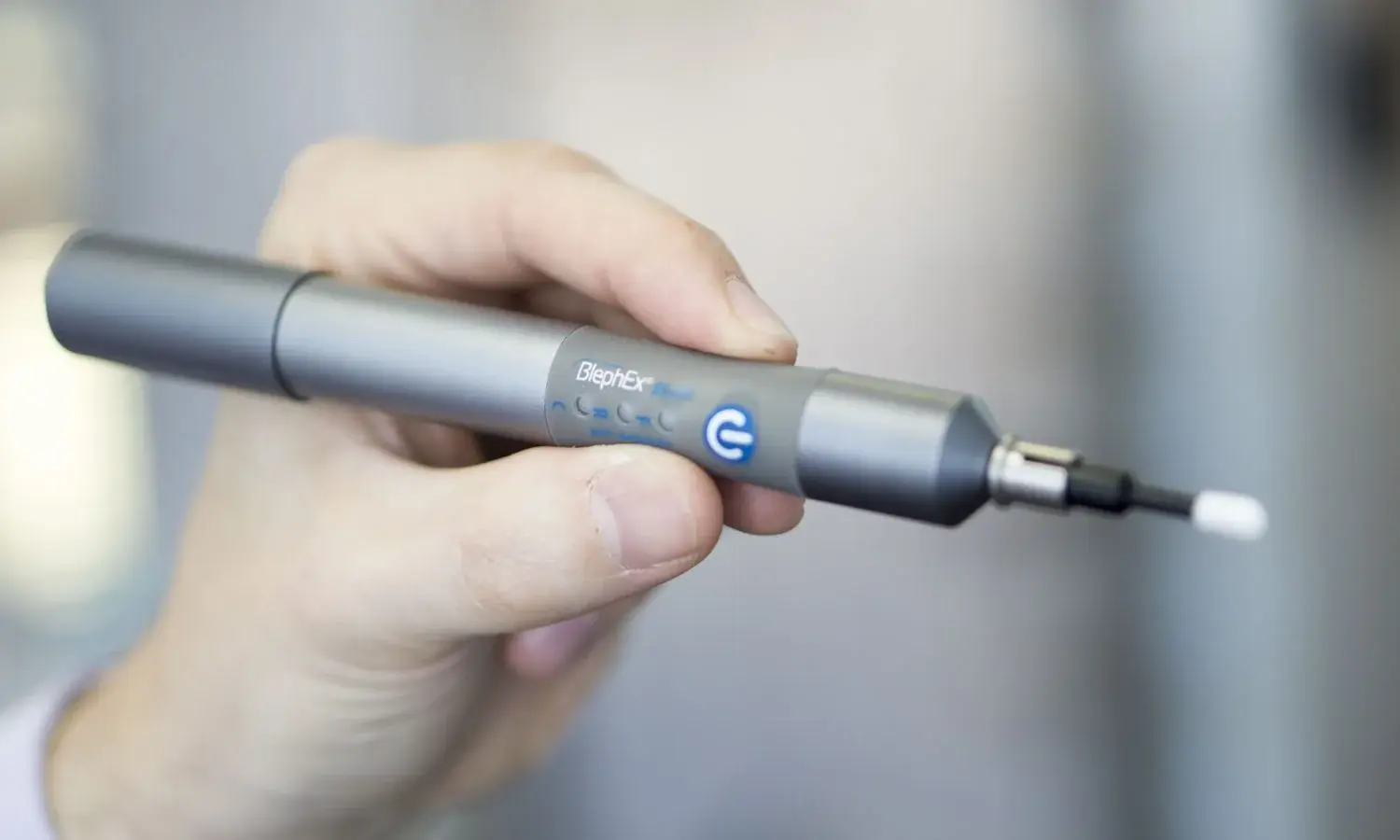
Dry eye is multifactorial, so the workup matters, together with a structured history of medications, environment, and screen habits. The combined picture is what tells your specialist whether the issue is not enough tears, low-quality tears with rapid tear-film break-upor evaporation, fast drainage, inflammatory, or a mix of all. Besides symptomatic treatment (lubricants, warming masks) , advanced treatments include: BlephEx eyelid margin exfoliation, Demodex treatment, Meibomian gland expression, Thermo eyelid treatment of eyelids, punctal plugs, management of contributing conditions (like thyroid, auto-immune)
Dry eye affects more than comfort. It can cause burning, grittiness, watering and fluctuating vision, making reading, screen work, driving and contact-lens wear more difficult. Finding the cause helps guide the right treatment and protect long-term eye health.
A stable tear film supports clearer, more consistent vision and more reliable eye measurements.
Read more →Persistent dryness and
inflammation can irritate the eye surface. Early care helps protect and maintain ocular surface health.
Targeted treatment can reduce irritation, improve lens tolerance and ease late-day discomfort.
Read more →“I saw Dr. JD to see if he could help with my Dry Eye Disease while I was traveling through Vietnam.”
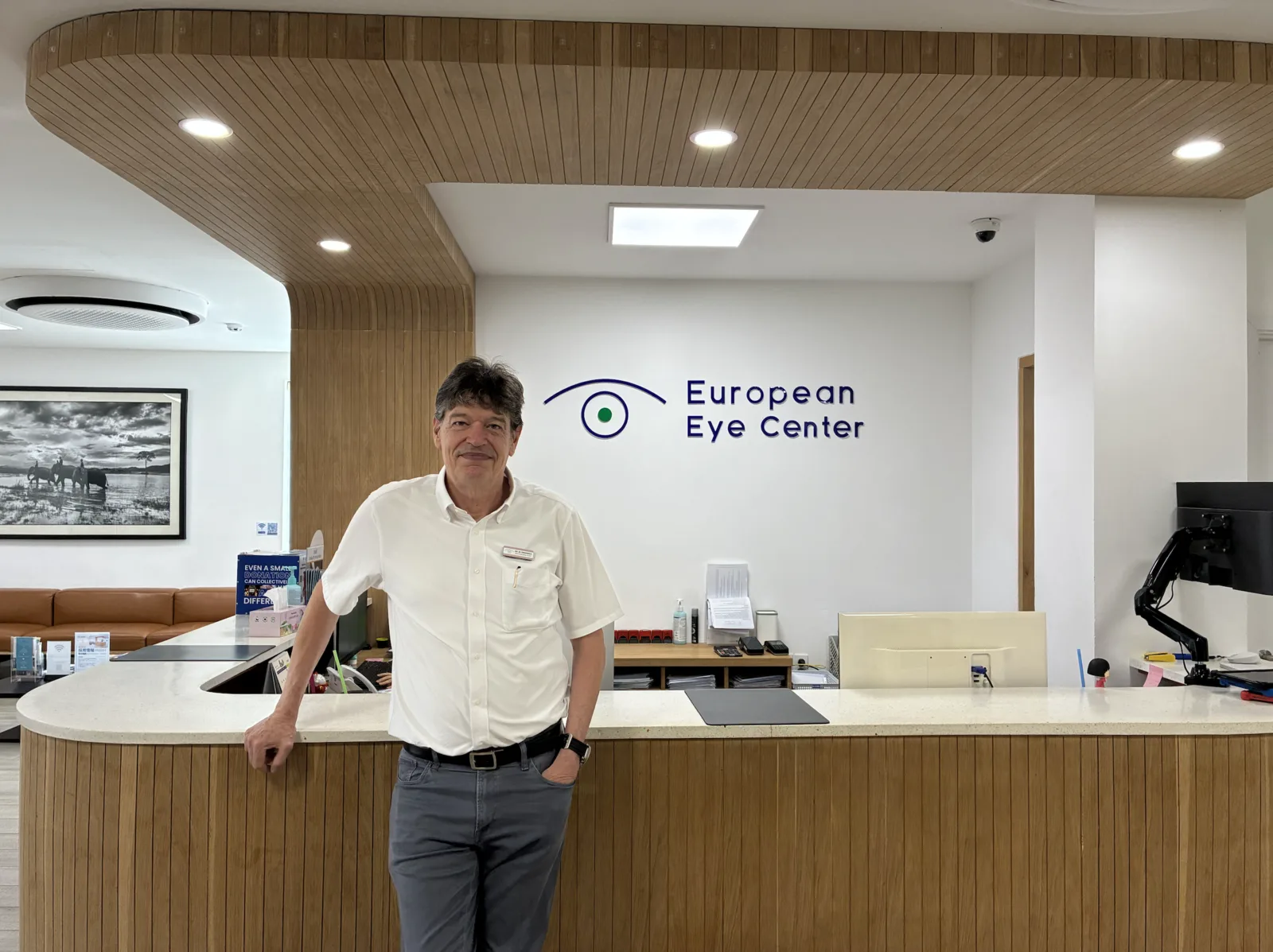
Dr. JD Ferwerda, MD: Dutch-trained ophthalmologist specialising in cataracts, lens exchange, retinal disease, glaucoma, and AMD.
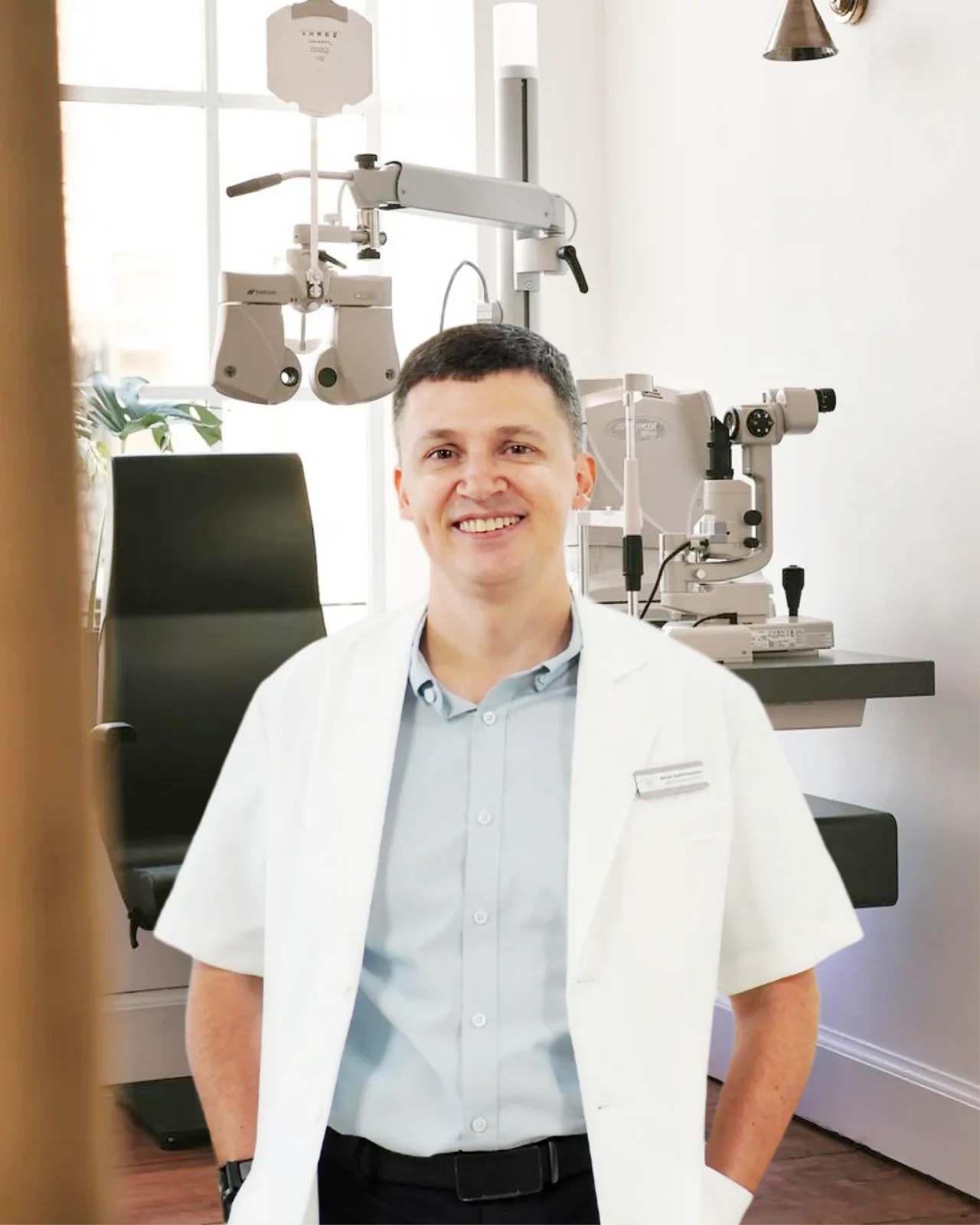
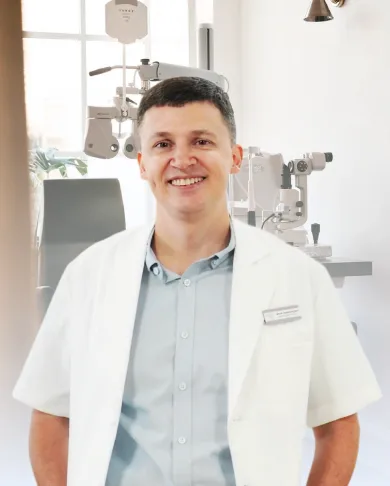
Russian-trained refractive and general ophthalmologist, leads lasik/ laser vision correction at EEC