Lead Ophthalmologist · Cataract and Retina Surgeon
Dr. JD Ferwerda, MD
Dr. JD Ferwerda, MD: Dutch-trained ophthalmologist specialising in cataracts, lens exchange, retinal disease, glaucoma, and AMD.
Myopia makes distant objects look blurred while nearer objects usually remain clearer. It is a common condition that often begins in childhood and can be corrected with glasses, contact lenses or, for suitable adults, refractive surgery.
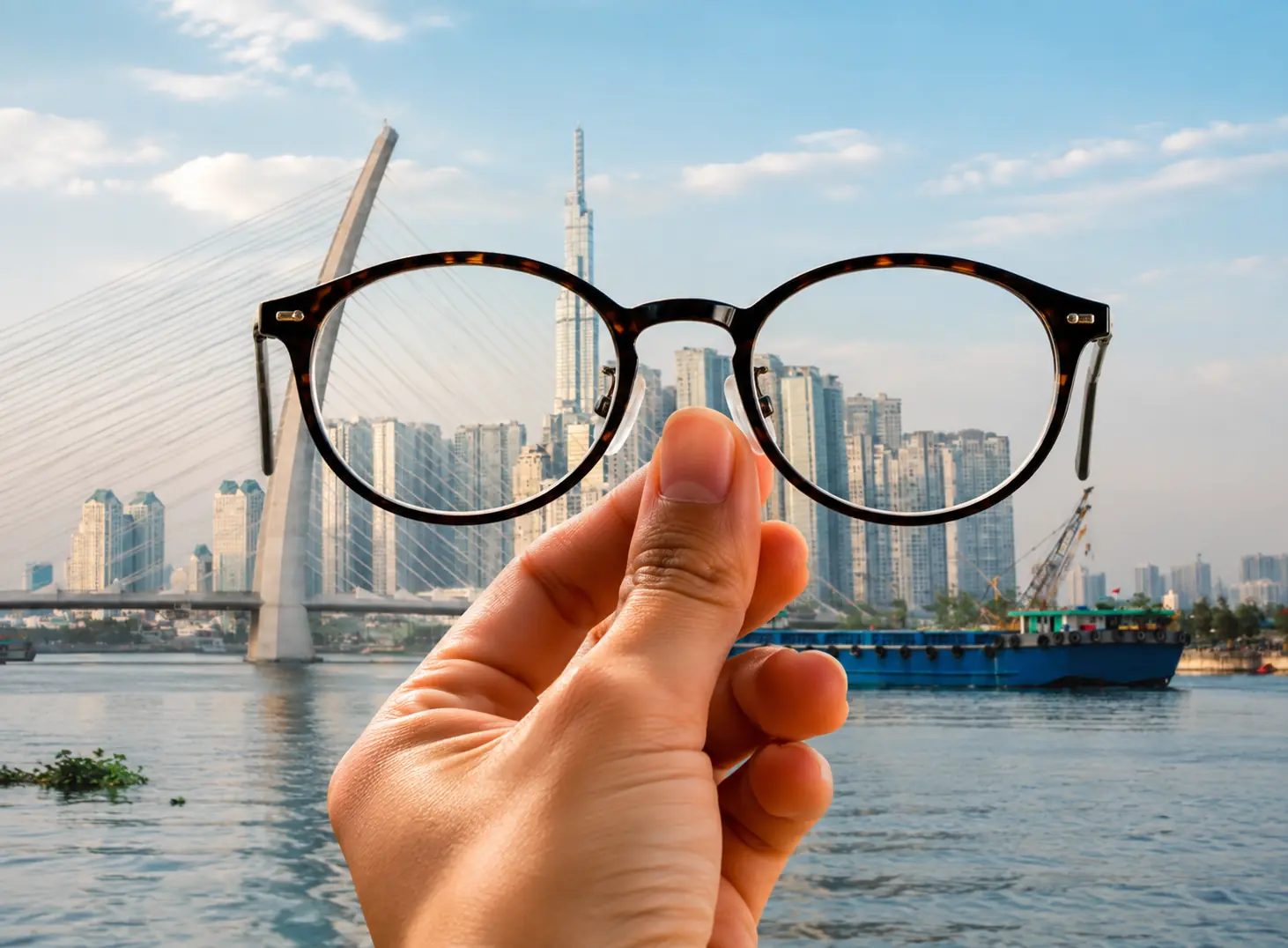
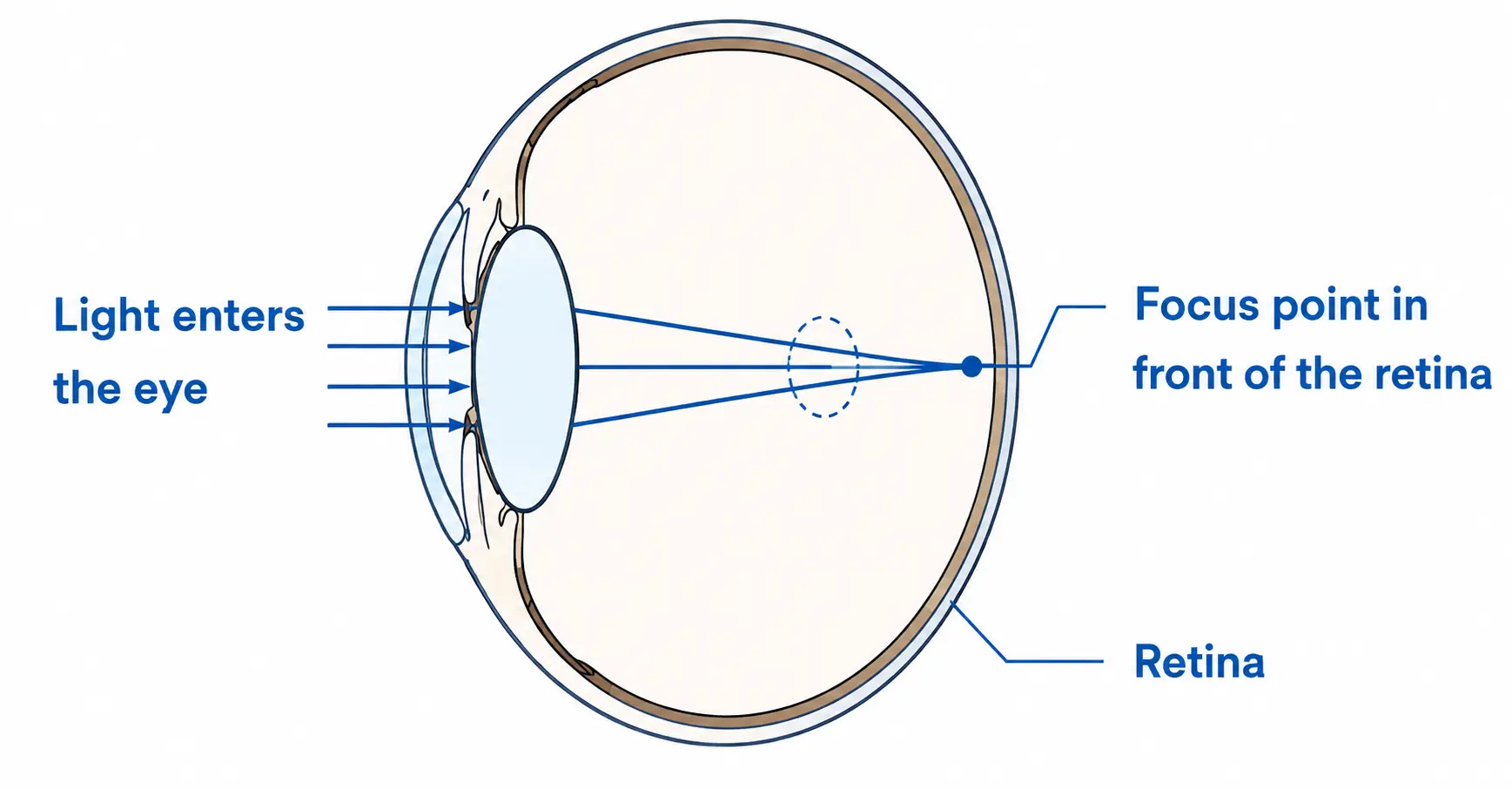
Most often, the eye is too long relative to its focusing power. This means light entering the eye focuses in front of the retina instead of directly on it, causing distant objects to look blurry.
Myopia often becomes noticeable when distant objects start to look blurred. In children, these common signs may be present.
Distant objects look blurry or out of focus
Squinting to see the board or road signs
Sitting very close to the TV or screen
Tired or strained eyes at the end of the day
Holding phones and books close to the face
A steadily increasing prescription

In many children, increasing myopia is associated with continued lengthening of the eye. Glasses or contact lenses correct blurred vision, while myopia-control treatments are designed to help slow further progression. Monitoring prescription changes — and, when appropriate, axial length — can help guide treatment over time.
Higher levels of myopia are associated with increased risks of other eye conditions later in life, including retinal detachment, glaucoma and myopic macular changes. Managing myopia early is about protecting long-term eye health.
A strong family history of myopia, especially high myopia
Your child's myopia is increasing over time
Myopia began at a young age, is progressing fast or is already high
You are considering refractive surgery as an adult
“Best pediatric ophthalmology care in Saigon. JD saved our child’s vision.”
Dr. JD Ferwerda, MD: Dutch-trained ophthalmologist specialising in cataracts, lens exchange, retinal disease, glaucoma, and AMD.
Russian-trained refractive and general ophthalmologist, leads lasik/ laser vision correction at EEC