Lead Ophthalmologist · Cataract and Retina Surgeon
Dr. JD Ferwerda, MD
Dr. JD Ferwerda, MD: Dutch-trained ophthalmologist specialising in cataracts, lens exchange, retinal disease, glaucoma, and AMD.
Hyperopia (far-sightedness) means the eye is slightly too short for its focusing power, so light tends to focus behind the retina instead of on it. Children and younger adults may compensate for years, but near work can still cause blur, headaches, and eye strain.
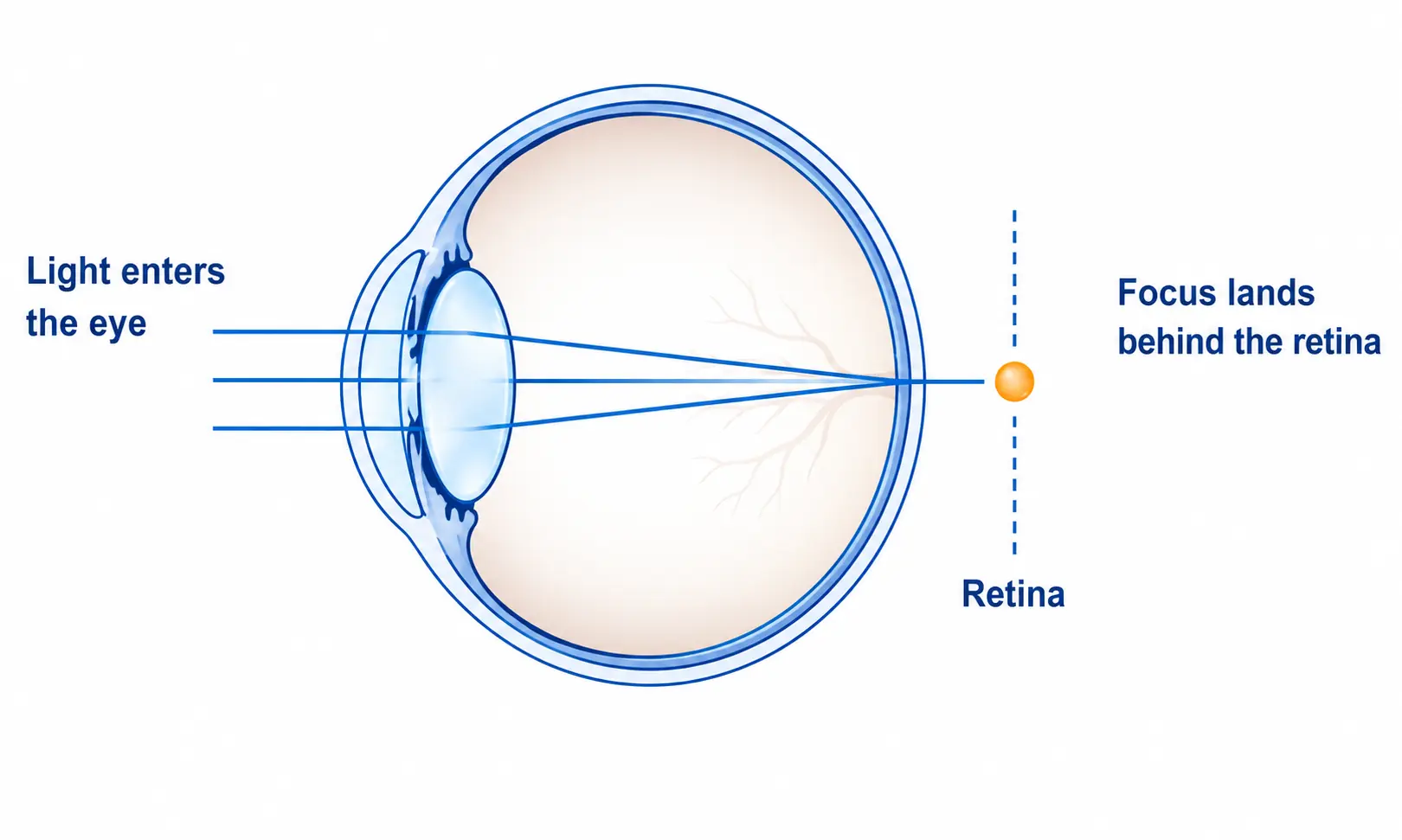
Hyperopia - sometimes called far-sightedness - is the opposite of myopia. The eye is a little too short, or the cornea is a little too flat, so light focuses behind the retina rather than directly on it. Near tasks usually reveal the problem first because focusing up close requires more effort.
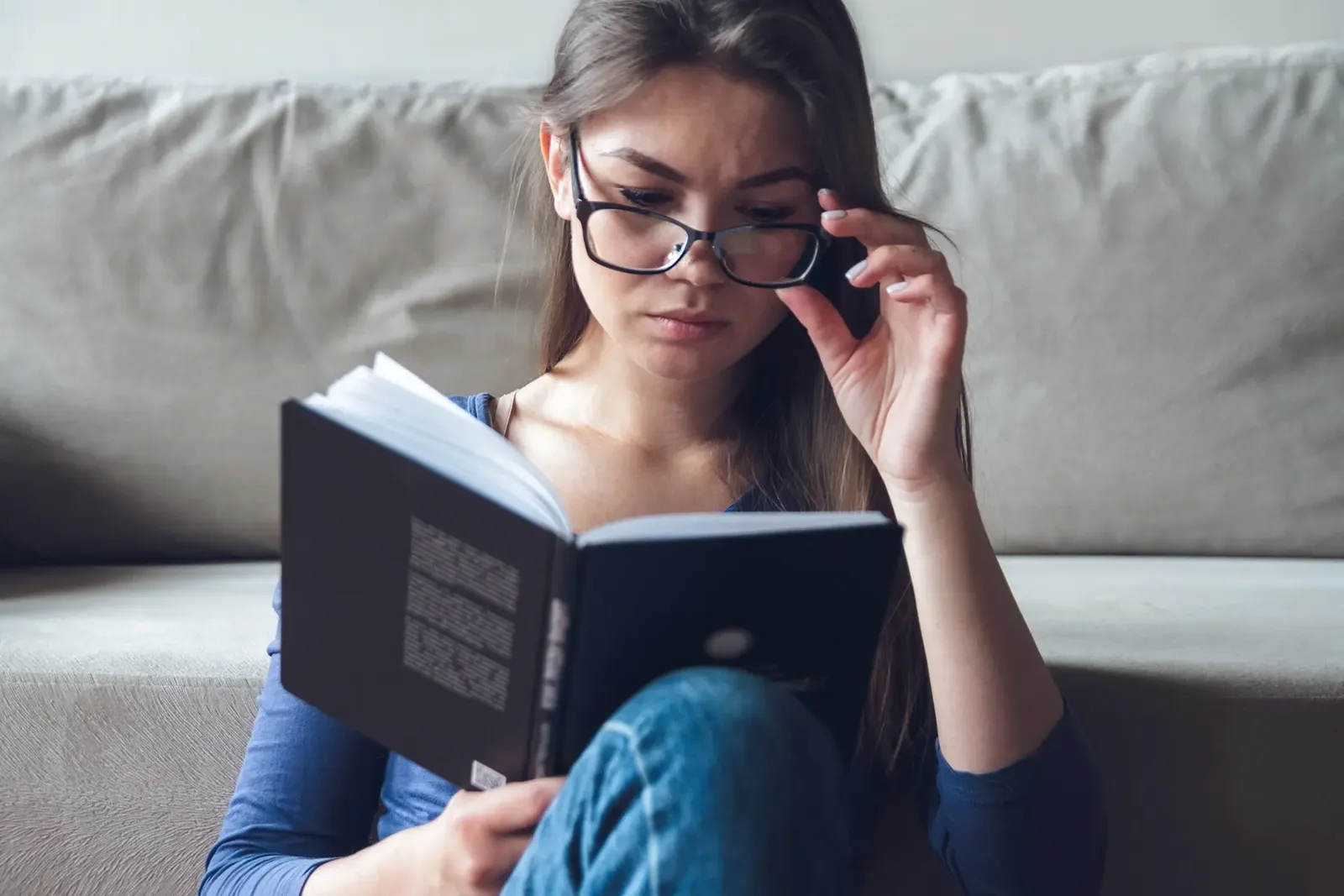
Consider an assessment if reading causes blur, tired eyes, or headaches, or if a child avoids near tasks.
Blurred vision when reading or using a phone
Eye strain during close-up tasks
Headaches after reading or screen work
Needing to hold text further away
Aching or tired eyes by evening
A child who avoids reading or homework
One eye turning inward at times (in children)
Difficulty focusing between near and far

For children, glasses are usually the first step and can also help alignment when hyperopia drives an inward turn. For adults, treatment may include glasses, contact lenses, or selected refractive procedures depending on prescription, age, and lens status.
You get headaches after prolonged reading or screen use
Your child avoids reading or rubs their eyes during near work
One of your child's eyes turns inward, even occasionally
You're considering refractive surgery and want a candidacy assessment
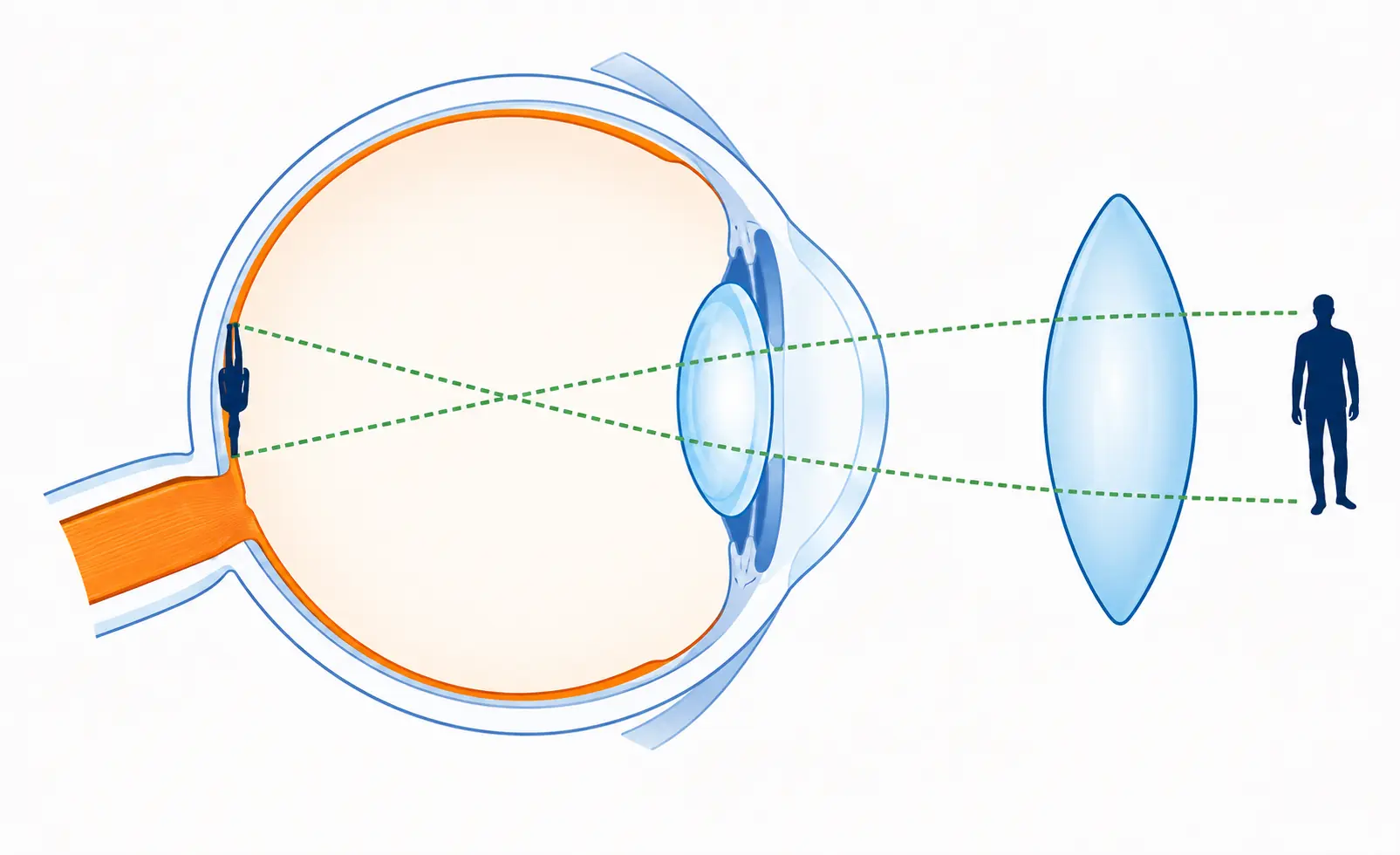
A standard refraction can underestimate hyperopia because the focusing muscle is still working during the test. In children especially, latent hyperopia may only become apparent during a cycloplegic refraction, which uses drops to temporarily relax the eye's focusing muscle.
Dr. JD Ferwerda, MD: Dutch-trained ophthalmologist specialising in cataracts, lens exchange, retinal disease, glaucoma, and AMD.
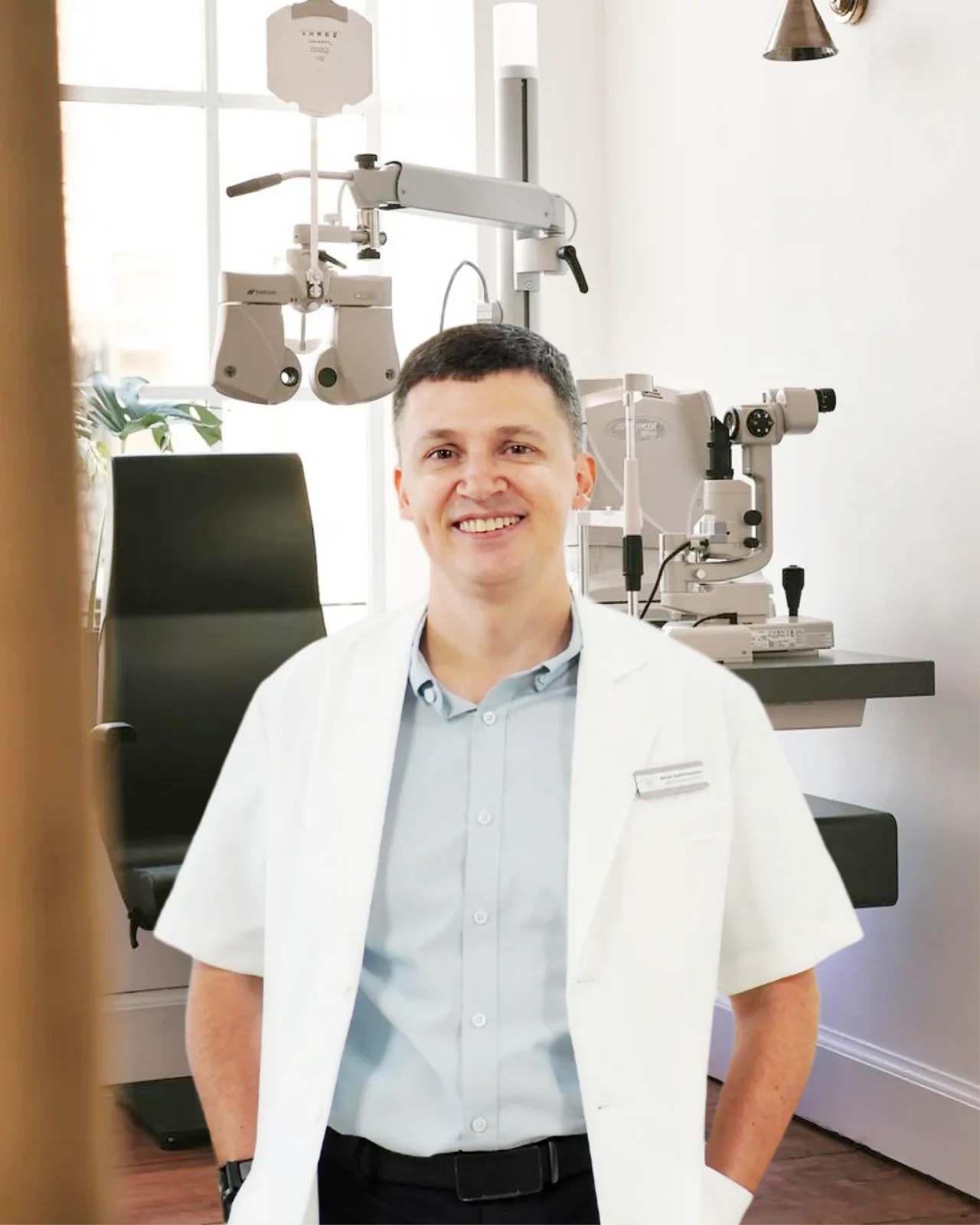
Russian-trained refractive and general ophthalmologist, leads lasik/ laser vision correction at EEC