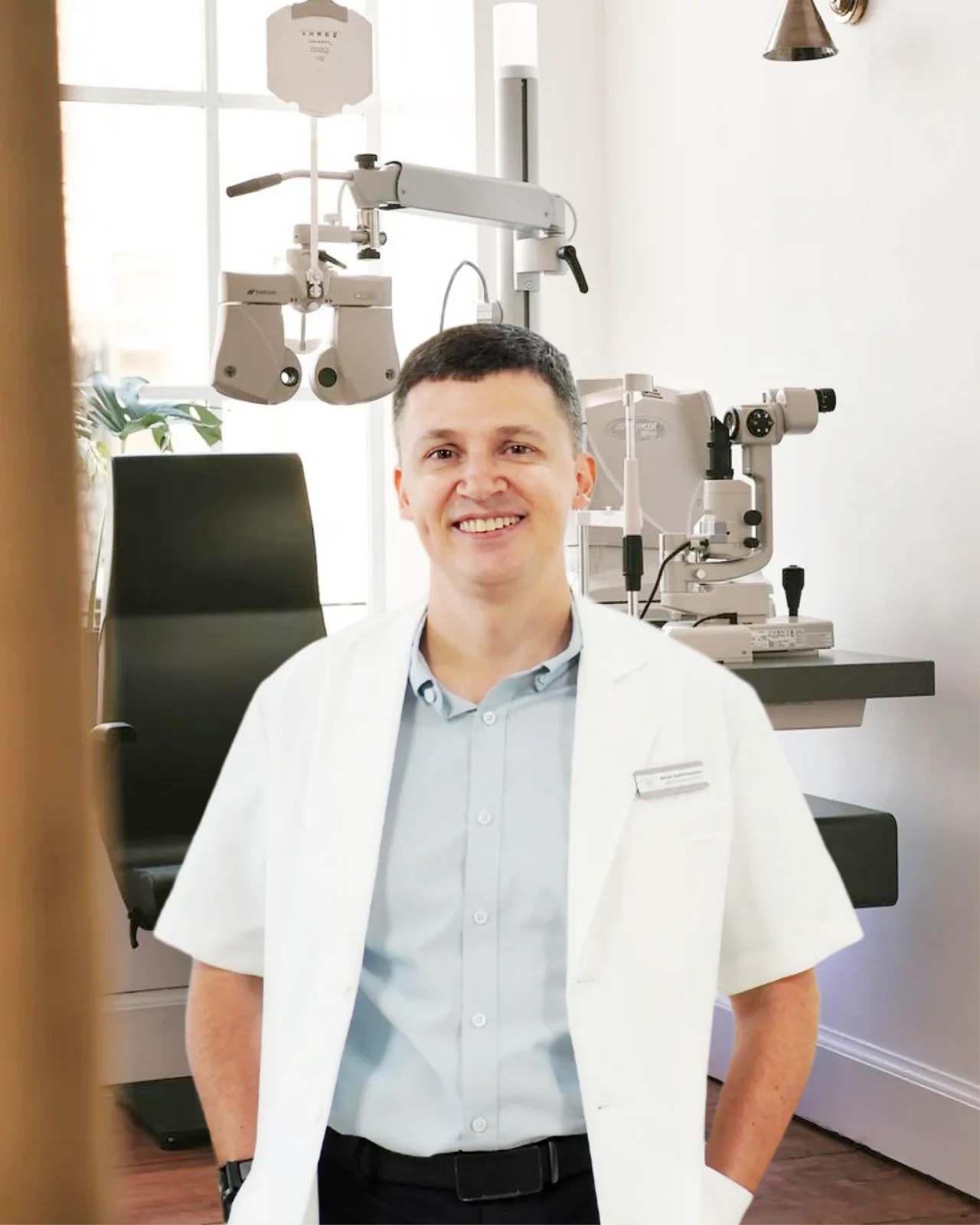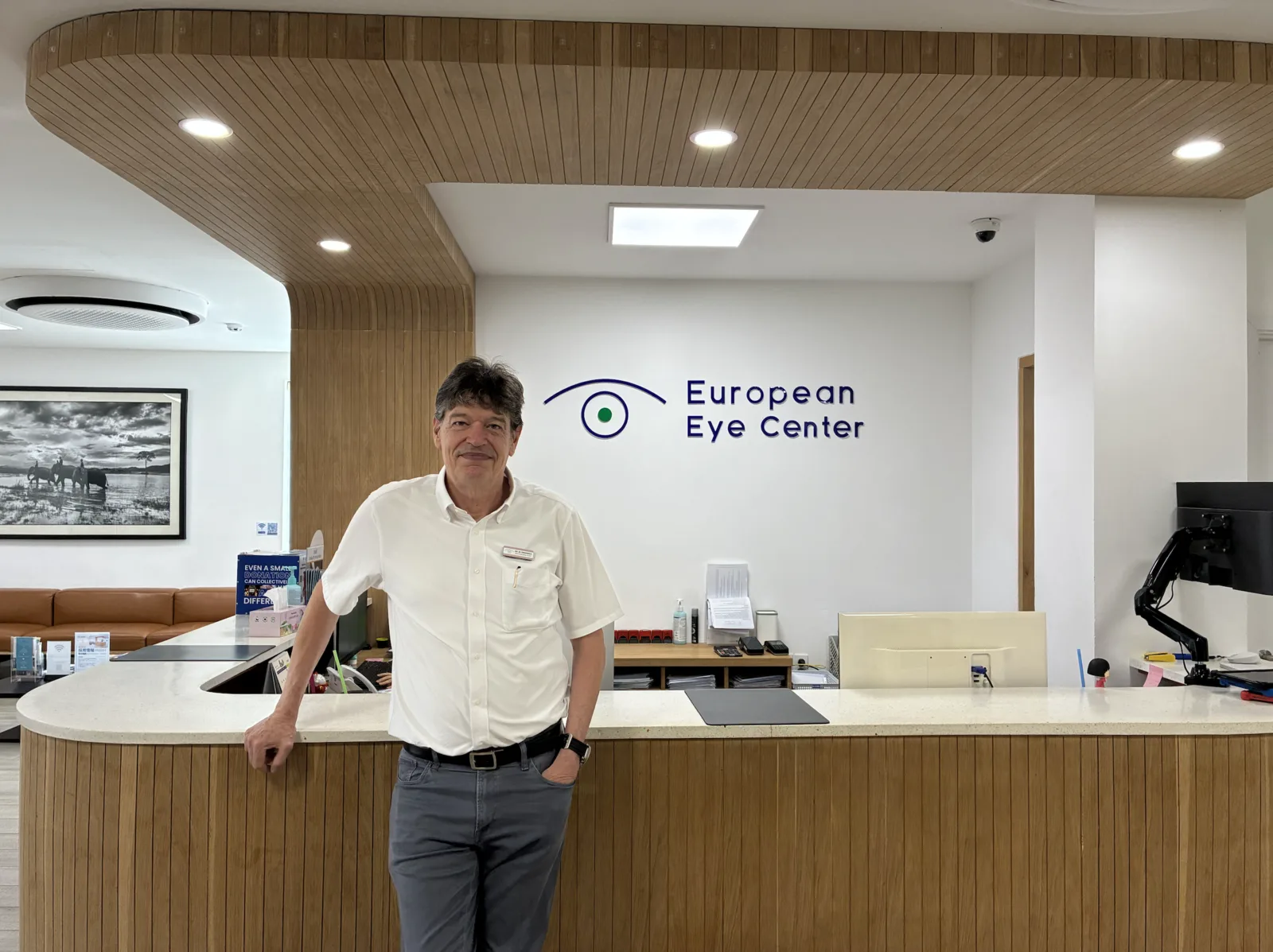
Lead Ophthalmologist · Cataract and Retina Surgeon
Dr. JD Ferwerda, MD
Dr. JD Ferwerda, MD: Dutch-trained ophthalmologist specialising in cataracts, lens exchange, retinal disease, glaucoma, and AMD.
Cataracts are a common part of ageing, and most people develop some degree of lens clouding later in life.
Our specialists take the time to assess yours carefully and help you understand when, if ever, action is the right next step.
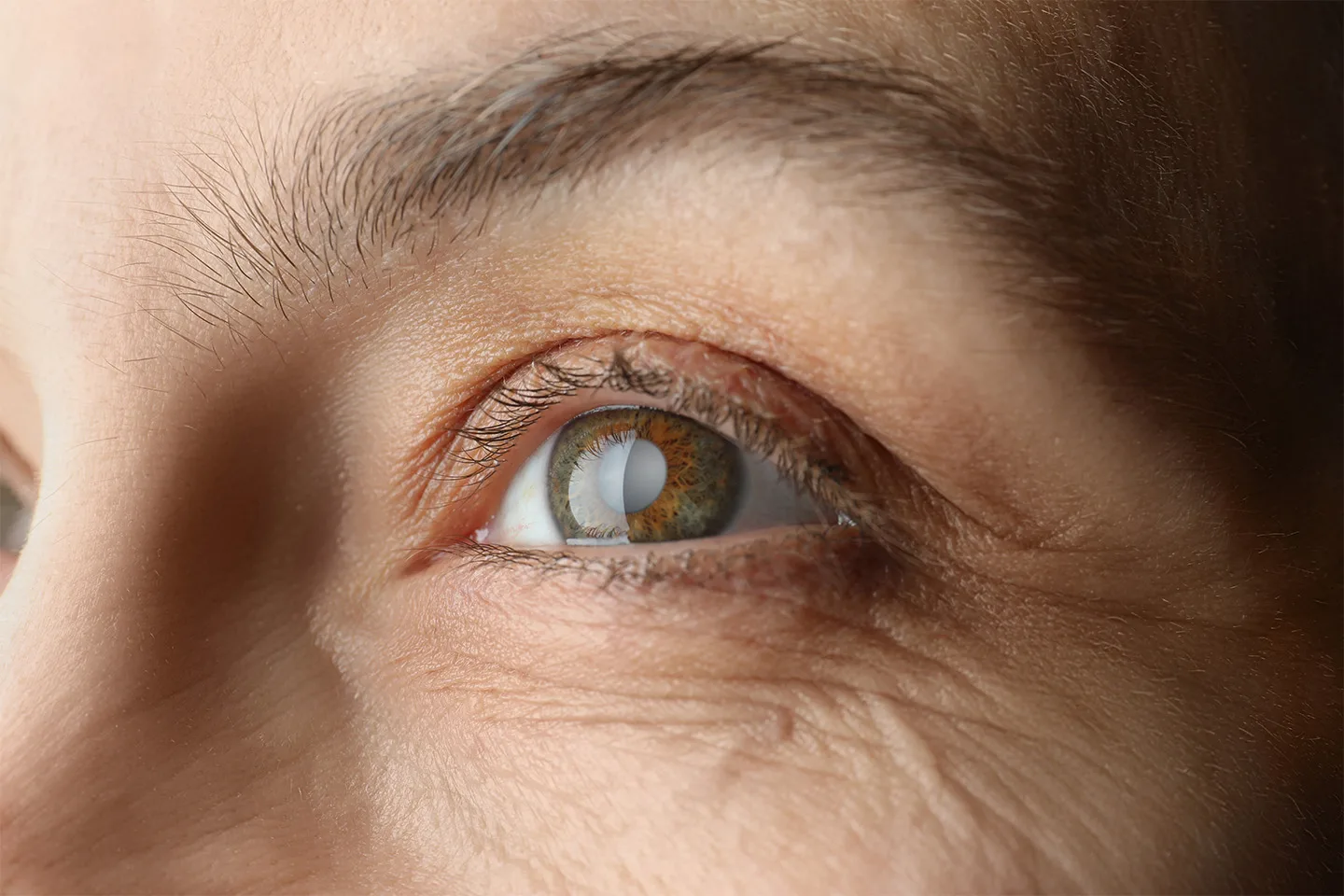
A cataract is a clouding of the eye's natural lens — the clear, flexible structure behind the pupil that focuses light onto the retina. With age, the proteins in that lens slowly cluster together, scattering light instead of letting it through cleanly. The result is gradual blur, glare, and faded colour. Most age-related cataracts develop gradually over many years.
Gradual blur that new glasses no longer fix
Halos or glare around headlights at night
Colours looking duller or more yellow than they used to
Frequent changes in your glasses prescription

Early cataract often shows up as glare at night, slowly faded colours, or a vague feeling that vision "isn't what it was" - symptoms that are easy to put down to general ageing.
A new glasses prescription may improve vision temporarily, but a comprehensive eye examination is needed to determine whether a cataract is contributing to the change. A specialist exam combines slit-lamp evaluation of the lens with biometry and a macular OCT, so you understand whether the cataract is the actual cause of the change.

Our cataract assessment begins with visual testing, slit-lamp examination and a dilated retinal assessment. When surgery is being considered, additional measurements may include biometry, corneal topography and macular OCT.
We measure how the cataract is affecting your real vision, not just whether it's there. Many patients come in worried that they need surgery and leave with a clear monitoring plan; others have a frank conversation about treatment and timing. Either way, the decision remains yours.
"I brought my mother here for cataract surgery — the doctor’s consultation was attentive and caring, and the interpreters were genuinely considerate throughout the visit."
Dr. JD Ferwerda, MD: Dutch-trained ophthalmologist specialising in cataracts, lens exchange, retinal disease, glaucoma, and AMD.