Lead Ophthalmologist · Cataract and Retina Surgeon
Dr. JD Ferwerda, MD
Dr. JD Ferwerda, MD: Dutch-trained ophthalmologist specialising in cataracts, lens exchange, retinal disease, glaucoma, and AMD.
You cannot tell by looking at a baby whether ROP is developing. By the time changes are noticeable, the disease may already be advanced and vision may be permanently affected. Eligible premature babies need every retinal examination scheduled by their neonatal and ROP teams.
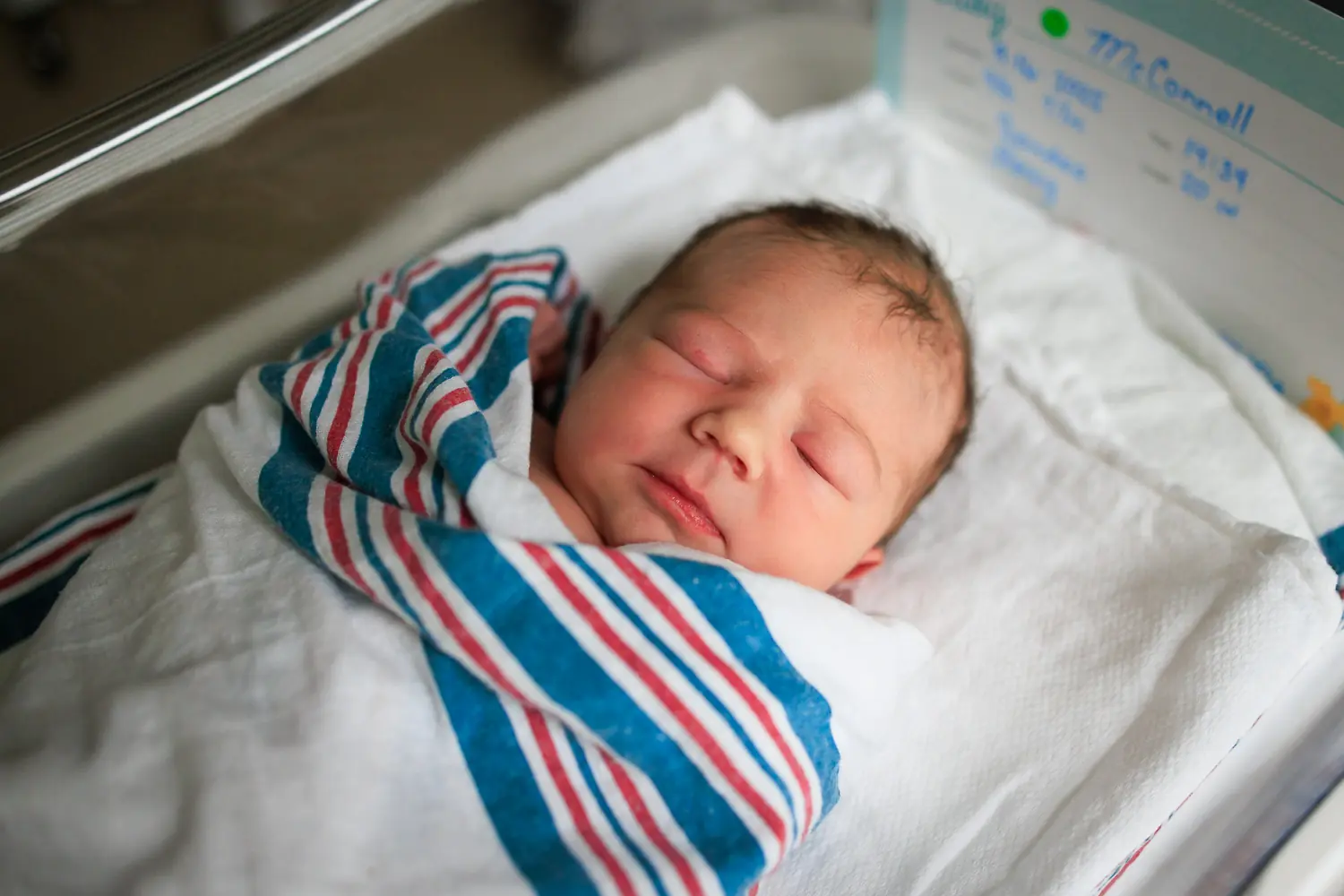
ROP cannot be reliably detected by appearance alone.
Babies with ROP usually do not look different or seem uncomfortable because of it.
Scheduled retinal screening is the safest way to detect ROP in time.
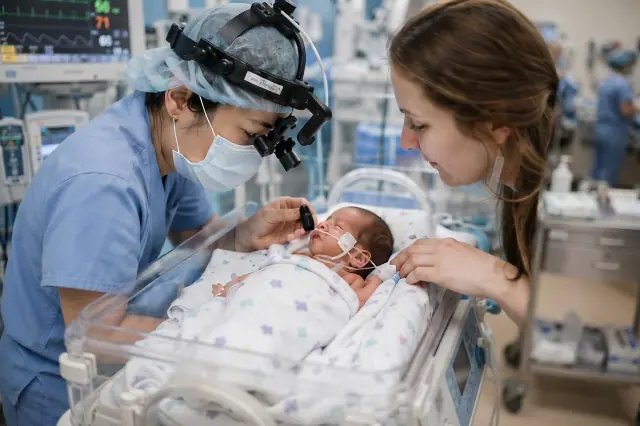
ROP has no visible early signs. Regular retinal examinations are the only way to detect it early, before serious damage occurs. When screening is delayed or missed, the disease may progress silently and become much harder to treat. In general, the earlier a baby is born, the higher the risk of ROP.
ROP screening is performed gently and efficiently, with parents nearby, minimising discomfort while ensuring thorough retinal examination and care.
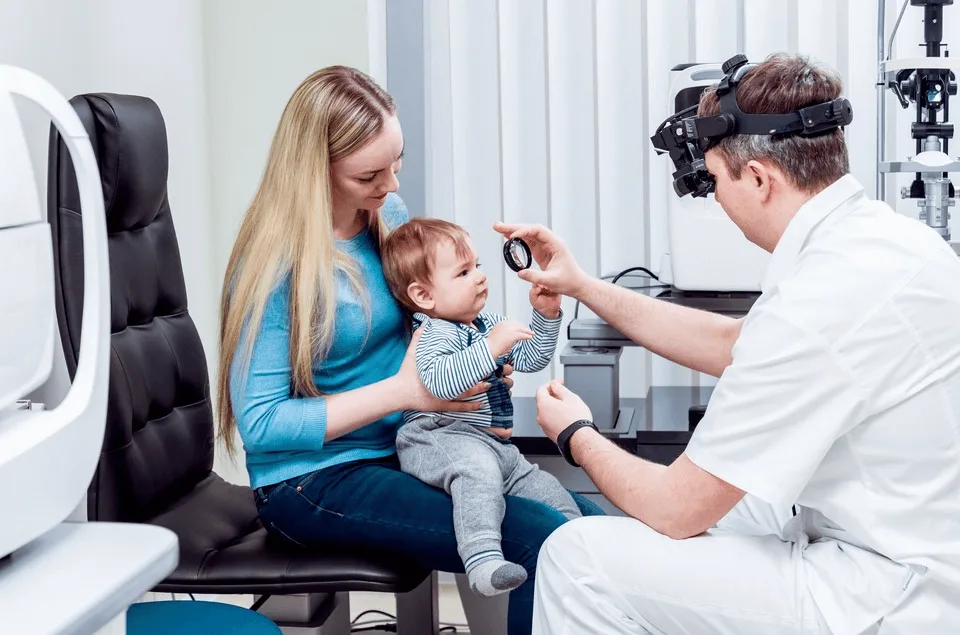
Our care pathway focuses on time-sensitive screening, close monitoring, and treatment when needed to help protect developing vision.
Eligible premature infants are examined on a carefully timed schedule so ROP can be detected as early as possible.
Many babies need repeat examinations to track retinal development and decide whether treatment is needed.
If ROP progresses, laser treatment, anti-VEGF injections, or both may be recommended to protect the retina.
In severe cases with retinal detachment risk, surgery may be needed as part of specialist care.
"Dr. JD is so warm and dedicated. My whole family has our eyes checked here."
Dr. JD Ferwerda, MD: Dutch-trained ophthalmologist specialising in cataracts, lens exchange, retinal disease, glaucoma, and AMD.