
Lead Ophthalmologist · Cataract and Retina Surgeon
Dr. JD Ferwerda, MD
Dr. JD Ferwerda, MD: Dutch-trained ophthalmologist specialising in cataracts, lens exchange, retinal disease, glaucoma, and AMD.
A lump or swelling on your eyelid? A stye is usually a tender, painful lump near an eyelash or within the eyelid; a chalazion is more often a firm, less painful lump caused by a blocked oil gland. Many improve with simple care — but a persistent, recurrent or unusually painful lump should be examined, so the cause is confirmed and the next step is clear.
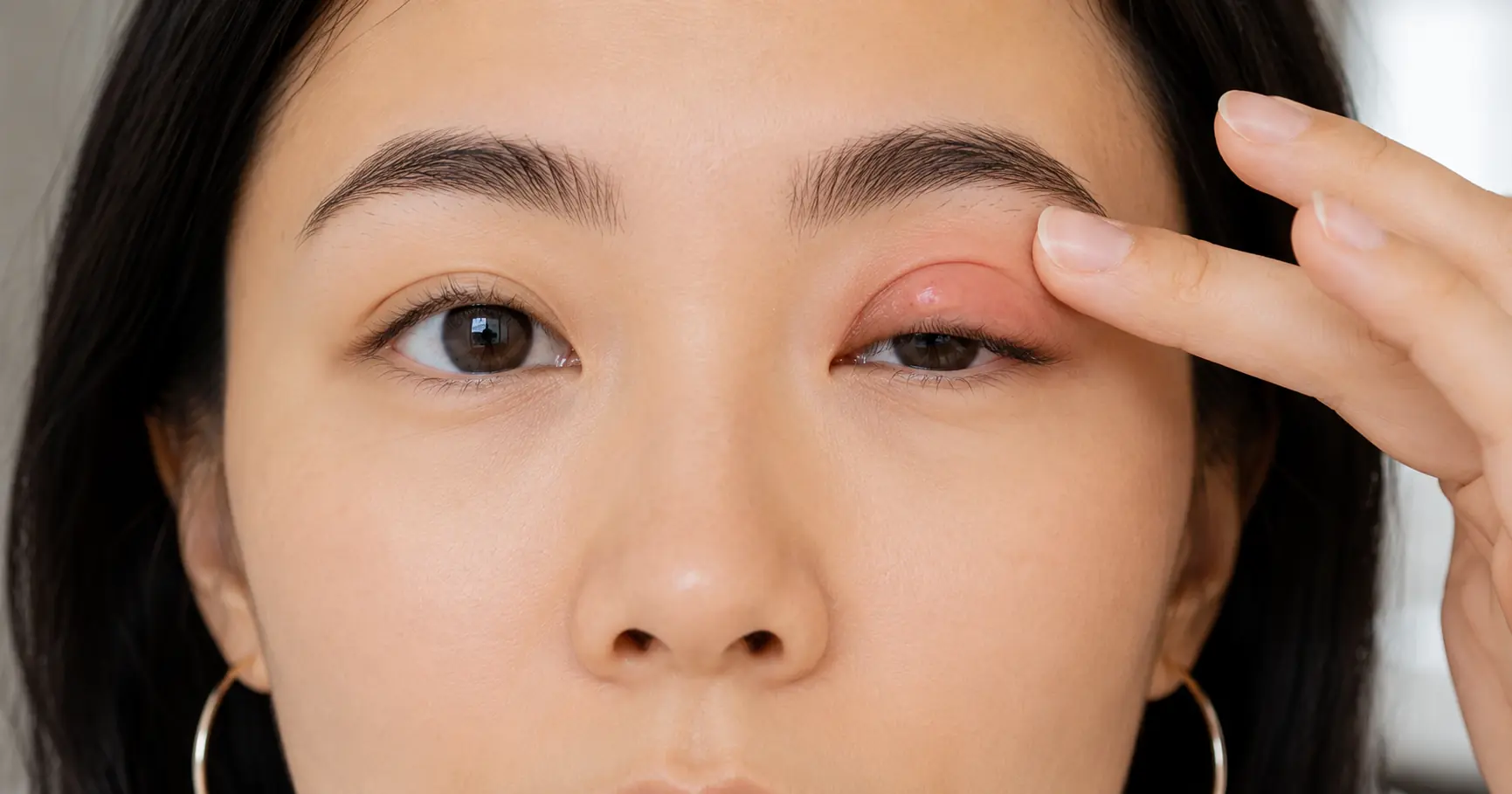
A stye tends to be tender and painful at the lash line; a chalazion is usually firmer and less painful. Most settle with simple care.
A small red or swollen lump at the eyelid edge, or within the lid
Tenderness or pain, especially with a developing stye
A yellow point or discharge near an eyelash
A firm, round and usually less painful lump — more typical of a chalazion
A watery, irritated or heavy-feeling eyelid
Mild swelling around the eye while the vision remains normal
Both appear as a lump on the eyelid, and a stye can sometimes leave behind a firmer chalazion — but they start differently, feel different and settle differently.
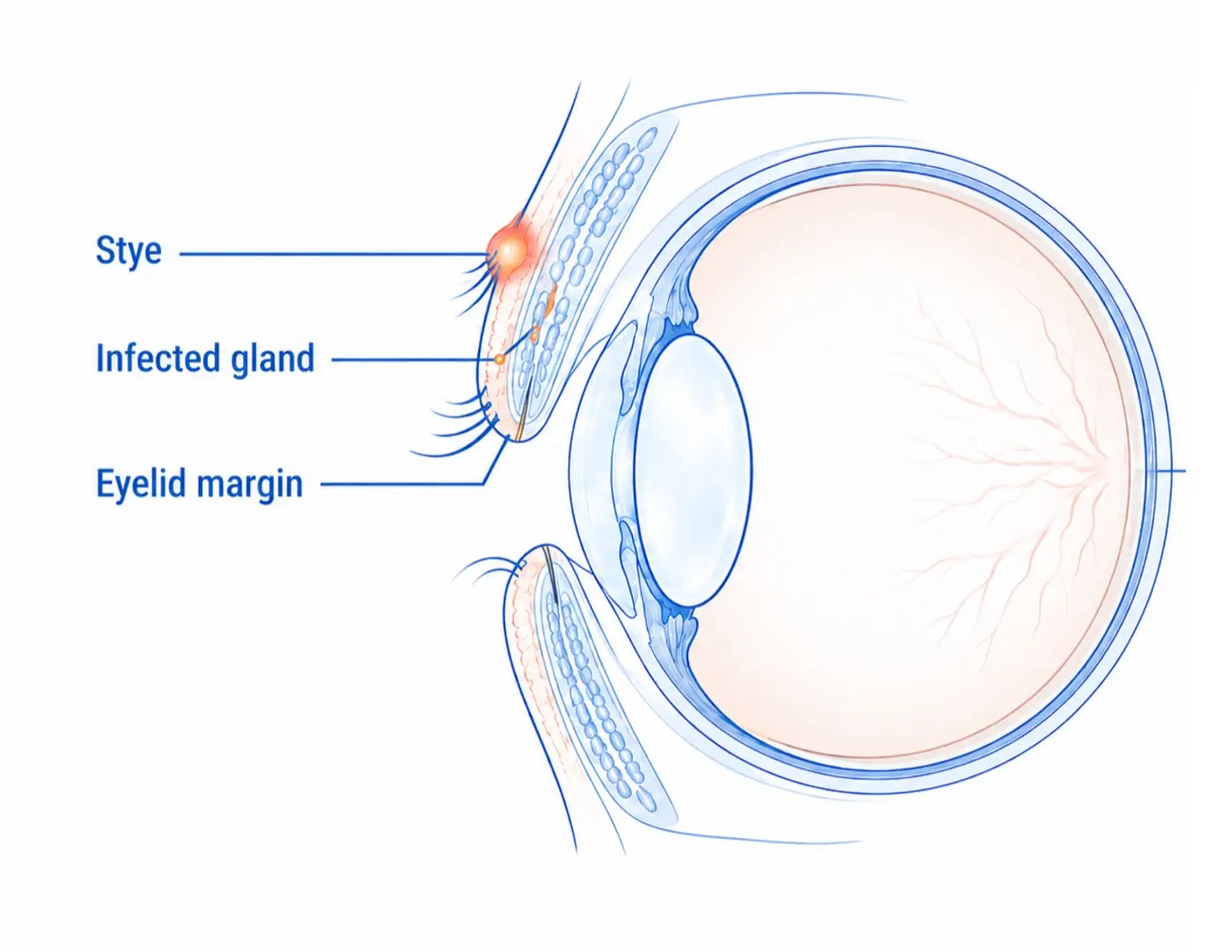
A localised infection or inflammation of an eyelash follicle or eyelid gland, at the lash line.
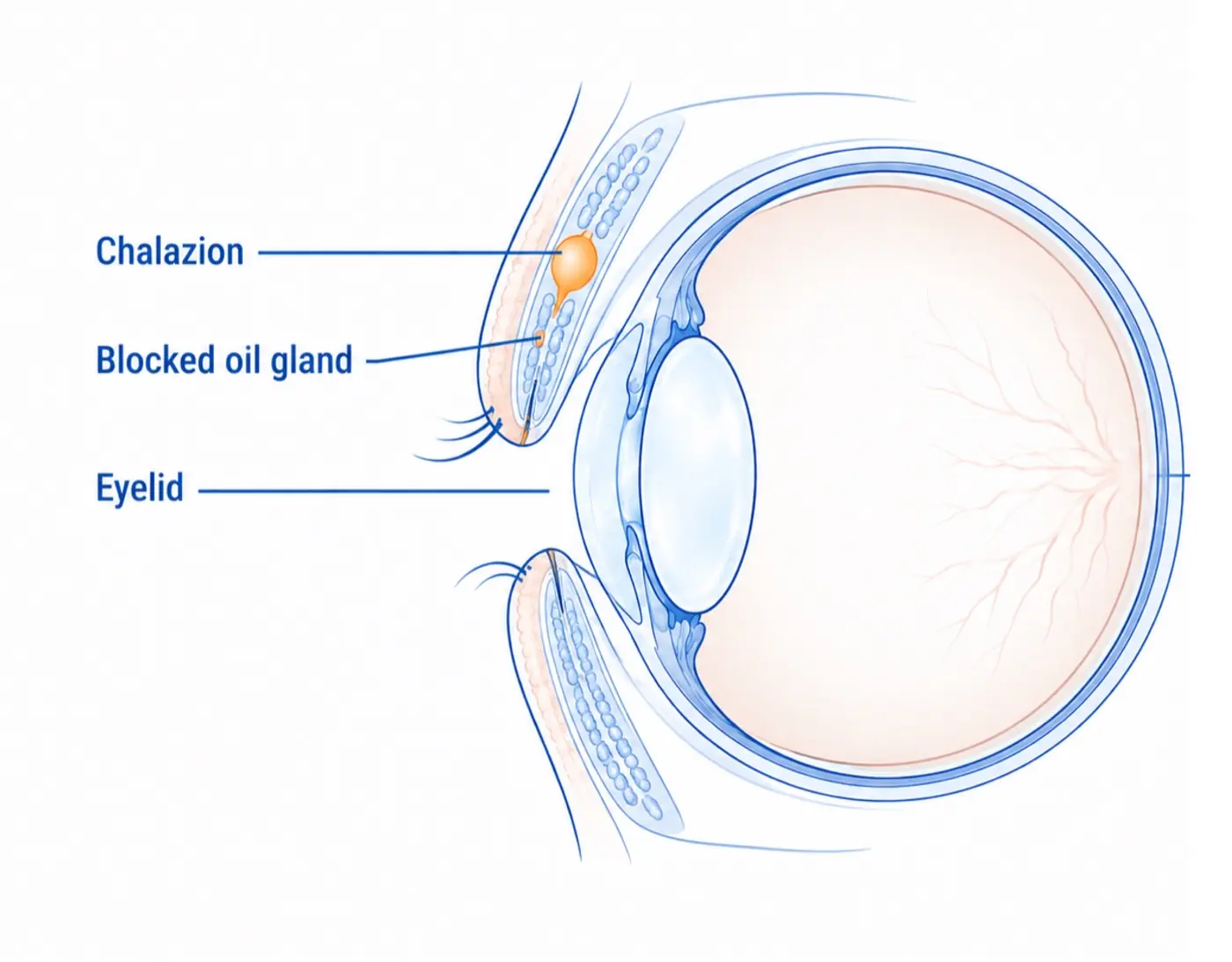
A blocked meibomian (oil) gland, forming a firm lump deeper within the eyelid.
Painful and tender suggests a stye; hard and painless suggests a chalazion. Long-term blepharitis and some skin conditions make both more likely.
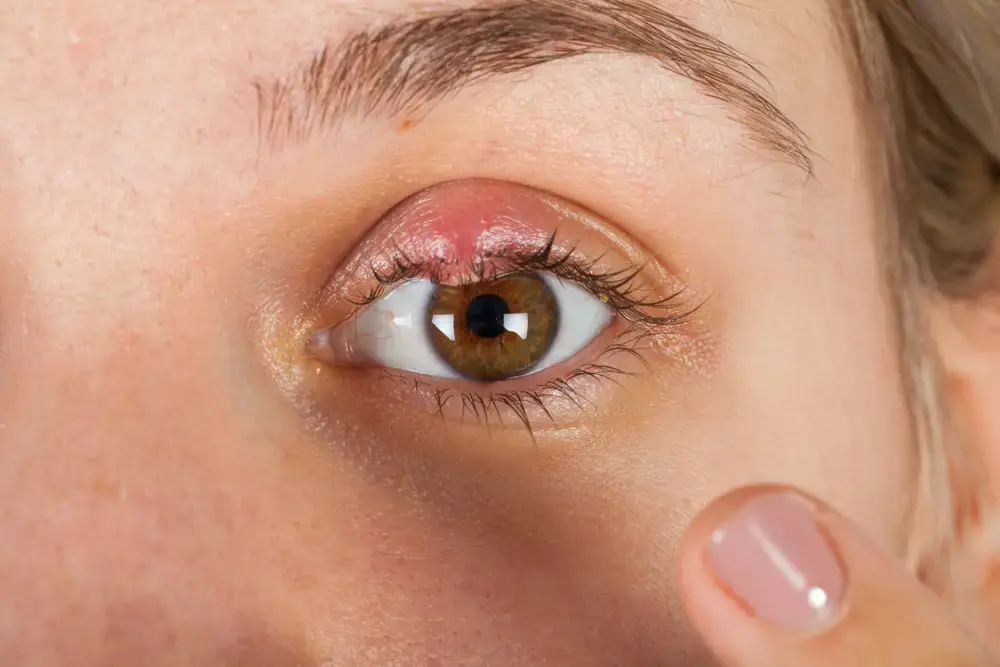
For a small, uncomplicated stye or chalazion, a warm compress may help soften blocked material and encourage natural drainage. Avoid eye make-up and contact lenses until the eyelid has healed, keep your hands, face and eyelid margins clean, and do not share towels or flannels.
Do not start leftover antibiotic or steroid eye medication without professional advice. The right treatment depends on whether the problem is a stye, chalazion, blepharitis or another condition.
The lump is not improving after a few weeks
A chalazion stays large, uncomfortable or repeatedly returns
The lump keeps recurring in the same place, or looks unusual
You have ongoing blepharitis, rosacea or other eyelid inflammation
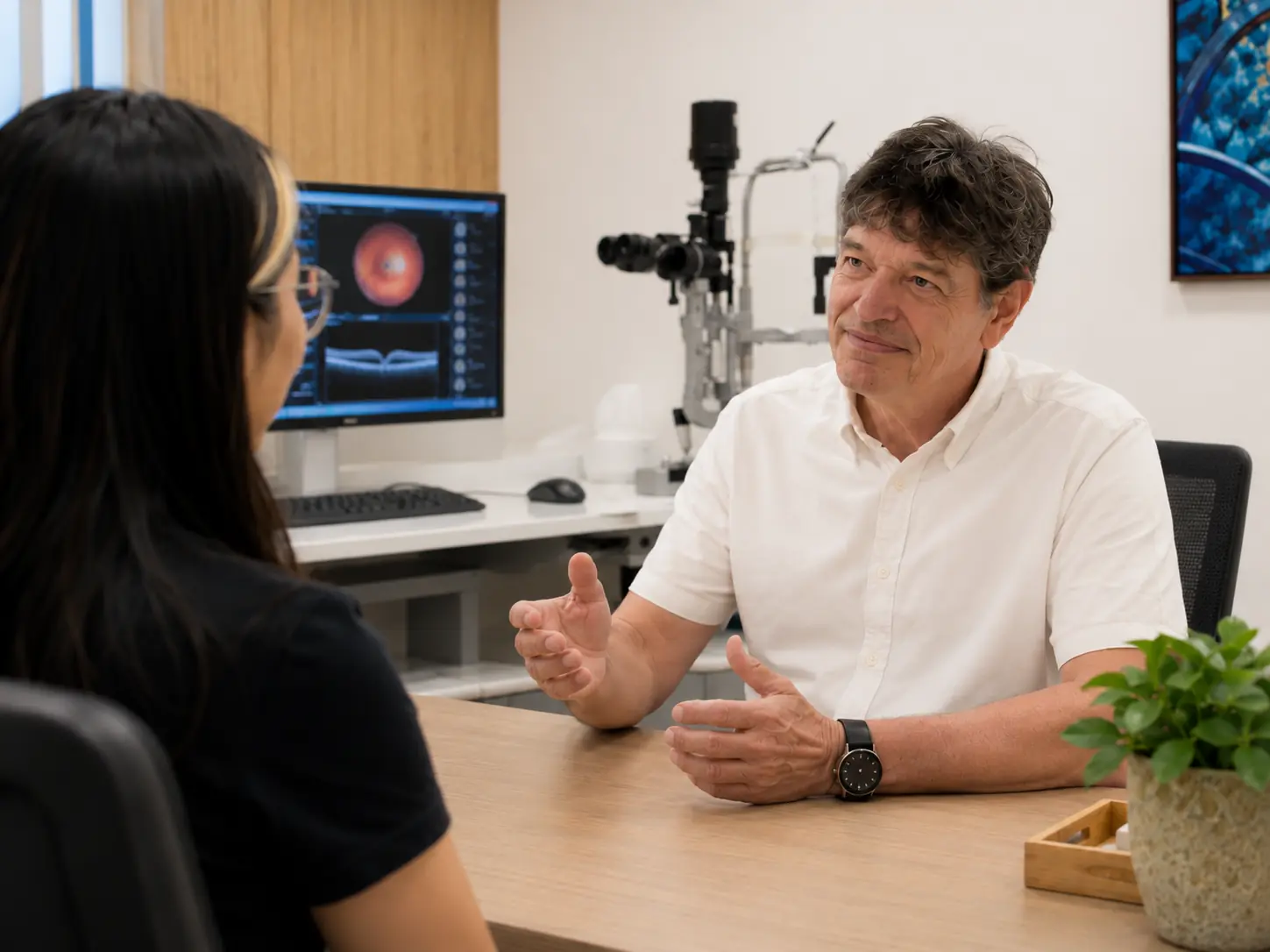
Your ophthalmologist asks when the lump started, whether it is painful and whether it has happened before, then examines the eyelid, the eyelash roots, the conjunctiva and the eye itself.
Most straightforward eyelid lumps can be diagnosed on examination. Further assessment may be recommended when a lump is persistent, recurrent, atypical or not responding as expected.
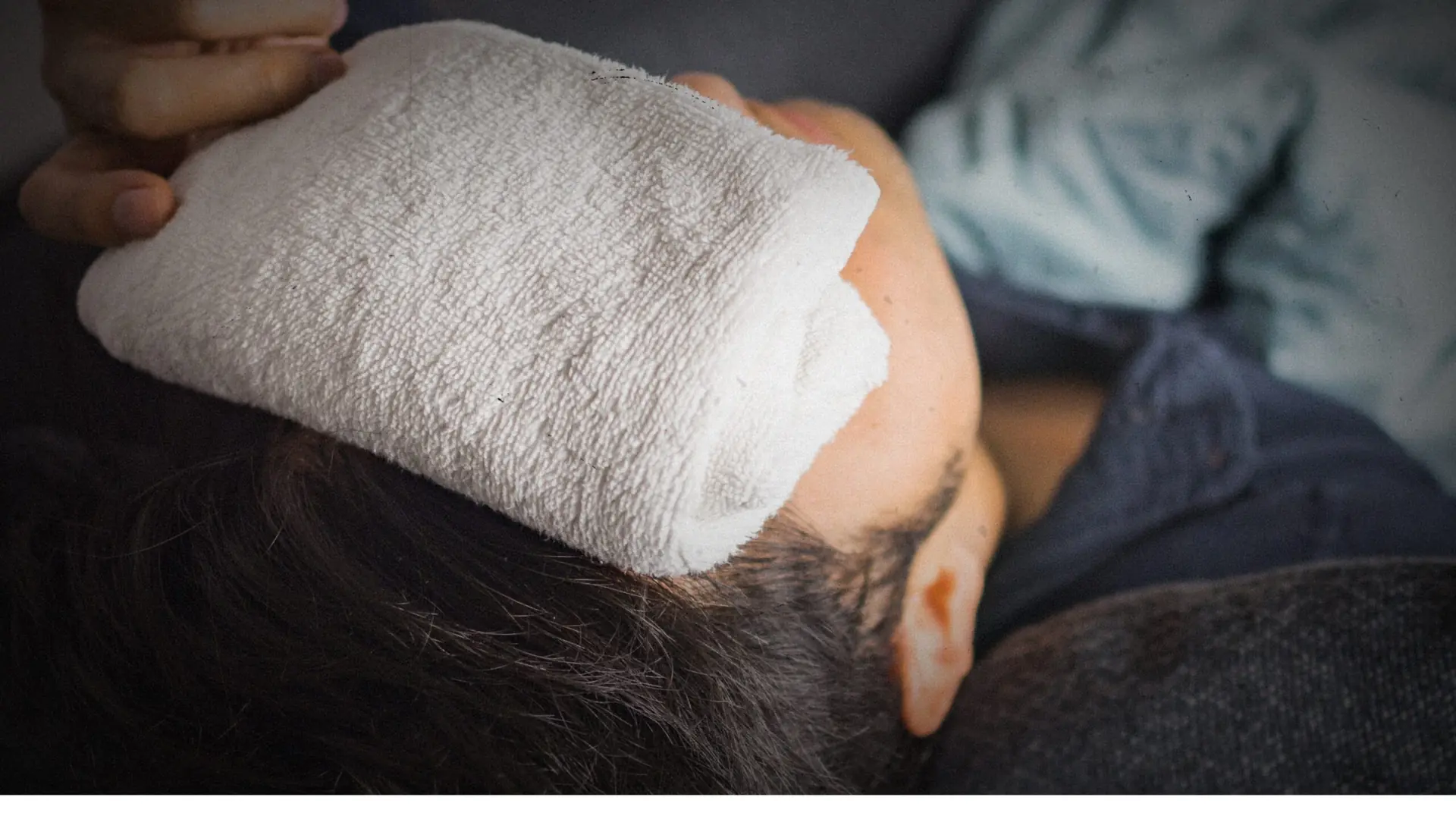
Styes and chalazia often improve with warm compresses, eyelid care and time. If a stye is infected or the infection is spreading, a doctor may consider medication or another treatment. If lumps keep returning, addressing underlying blepharitis, meibomian-gland dysfunction or skin inflammation may help reduce recurrence.
A large or persistent chalazion can be drained under local anaesthetic — a procedure of only a few minutes, considered after examination and not necessary for every lump.
Dr. JD Ferwerda, MD: Dutch-trained ophthalmologist specialising in cataracts, lens exchange, retinal disease, glaucoma, and AMD.
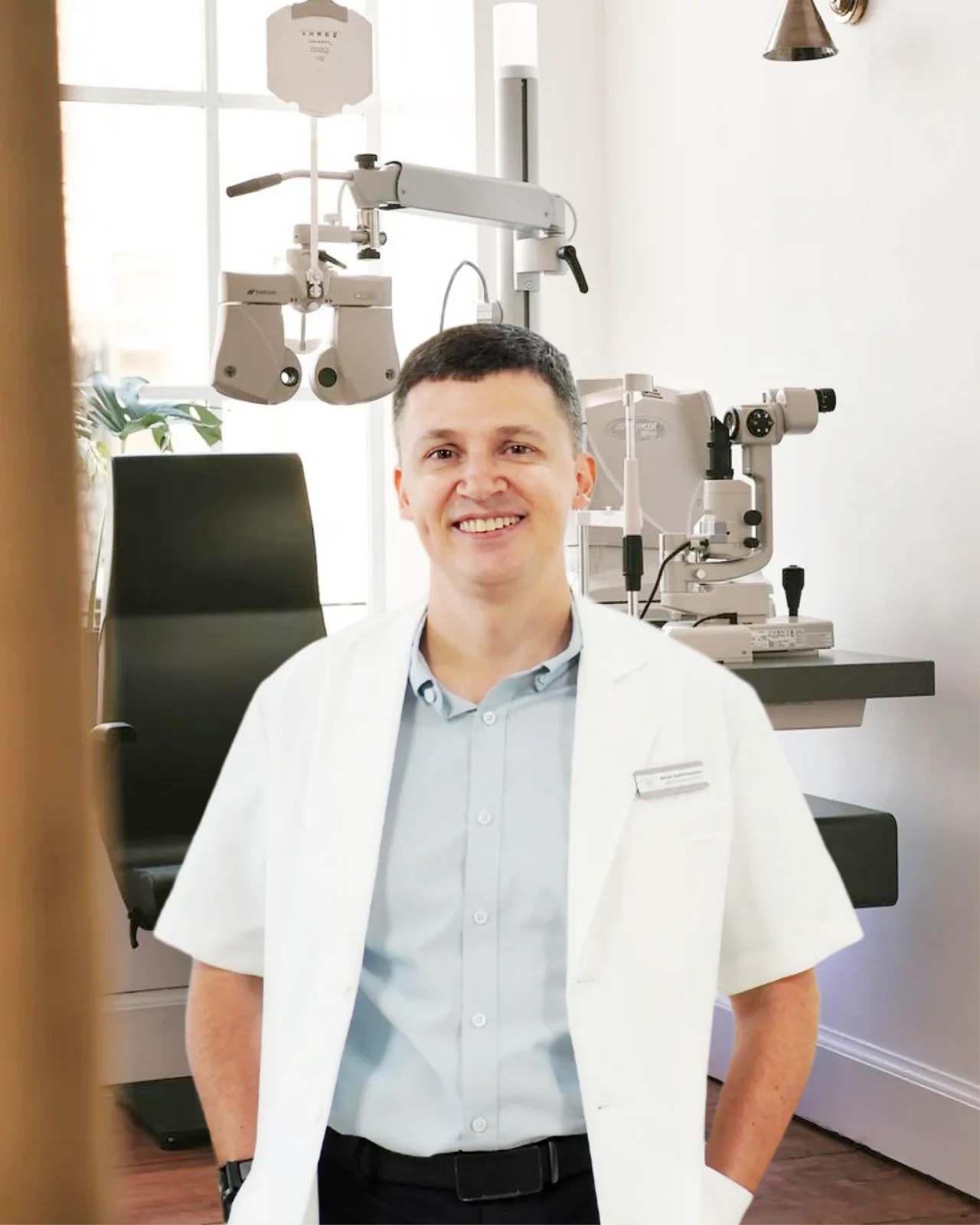
Russian-trained refractive and general ophthalmologist, leads lasik/ laser vision correction at EEC

