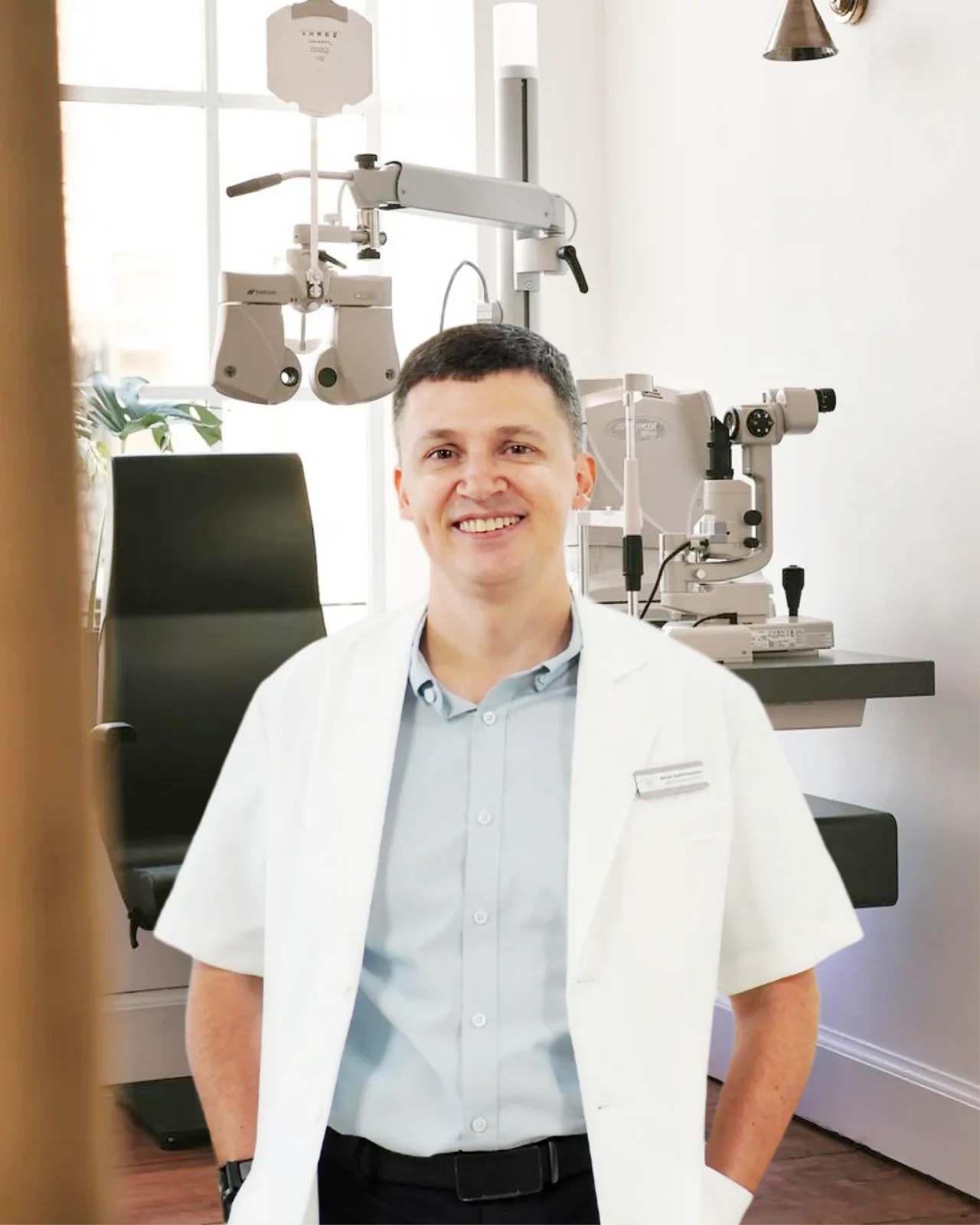
Lead Ophthalmologist · Cataract and Retina Surgeon
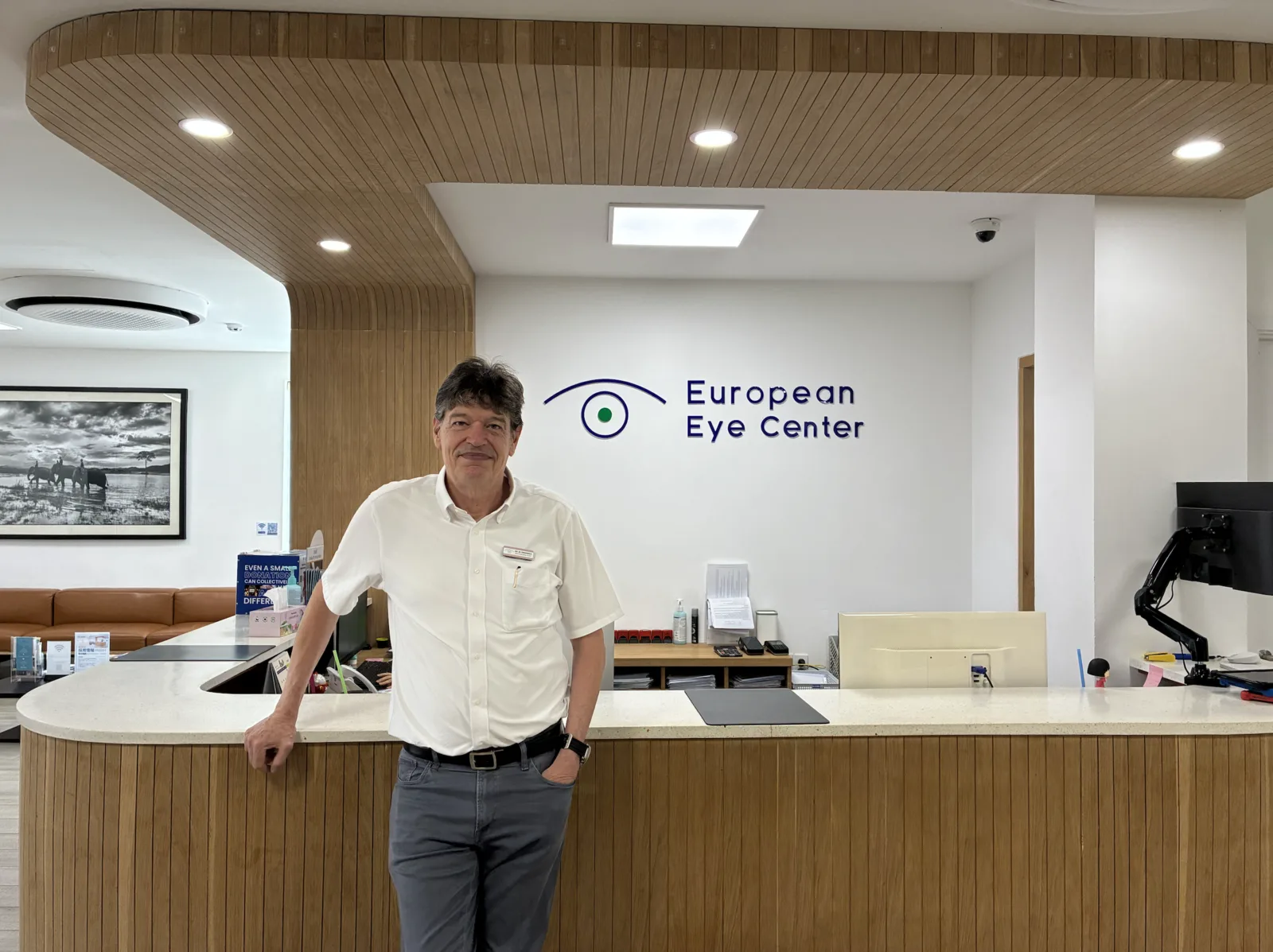
Dr. JD Ferwerda, MD
Dr. JD Ferwerda, MD: Dutch-trained ophthalmologist specialising in cataracts, lens exchange, retinal disease, glaucoma, and AMD.
Glaucoma is often called the silent thief of sight — most people don't notice anything until vision is already lost. Our doctors specialise in catching it early through careful imaging, pressure checks, and optic nerve assessment, then walking you through what your results mean.

Glaucoma is a group of eye diseases that damage the optic nerve - the cable carrying visual signals from the eye to the brain. The damage can begin gradually and may go unnoticed for years.
The drainage system remains open but does not remove fluid efficiently. It may occur with high eye
pressure or with pressure in the normal range, known as normal-tension glaucoma.
The drainage angle becomes too narrow or closes. It may develop gradually, or suddenly as acute
closed-angle glaucoma - a medical emergency.
Glaucoma damage cannot be reversed. Treatment can slow or stop further damage, but it cannot
restore vision that has already been lost. Early detection gives us the best chance to protect your sight.
Only a specialist examination can confirm the type and stage.
In most cases of open-angle glaucoma, there are no noticeable symptoms in the early stages. By the time vision changes become obvious, damage may already be significant and irreversible. Regular eye examinations are essential for early detection.
Gradual loss of side vision
Blind spots or tunnel vision
Blurred or hazy vision
Difficulty adjusting to low light
Trouble seeing while driving at night
Bumping into objects at either side
Sudden severe eye pain, a red eye, blurred or reduced vision, halos around lights, headache, nausea, or
vomiting may indicate acute closed-angle glaucoma. This is an eye emergency. Seek immediate medical
attention.
Glaucoma can silently affect your side vision long before you notice any changes.
Normal eye pressure does not rule out glaucoma. Diagnosis also requires assessment of the optic nerve, visual field and other clinical findings.
You should consider glaucoma screening if you:
Have a family history of glaucoma
Have high myopia (nearsightedness)
Are aged 40 or older
Have diabetes
Have high blood pressure or vascular disease
Have had an eye injury or steroid use (eye drops, pills, or inhalers)
Are of African, Hispanic, or Asian descent
Wear contact lenses long-term
Dr. JD Ferwerda, MD: Dutch-trained ophthalmologist specialising in cataracts, lens exchange, retinal disease, glaucoma, and AMD.
Long-standing high blood pressure can affect the small blood vessels that nourish the optic nerve, and it is recognised as one risk factor for glaucoma — alongside age over 40, a family history, diabetes, strong short-sightedness and raised eye pressure. High blood pressure does not pump pressure directly into the eye; glaucoma is driven mainly by the balance of fluid inside the eye. But if you have high blood pressure, it is worth having your eye pressure and optic nerve checked.
Most glaucoma develops silently. There is usually no pain and no early change in central vision — side (peripheral) vision is lost first and often goes unnoticed until the disease is advanced. This is why regular screening matters. A rarer, sudden form can cause severe eye pain, headache, blurred vision, halos around lights and nausea, and needs urgent care the same day.
Glaucoma cannot be reversed, but in most people it can be controlled. Treatment — eye drops, laser, or surgery — lowers the pressure inside the eye to slow or stop further damage to the optic nerve. Vision already lost cannot be brought back, which is why finding it early makes such a difference.
Glaucoma is not diagnosed from eye pressure alone. A full assessment looks at the pressure inside the eye, the appearance of the optic nerve, a scan of the nerve fibre layer (OCT), a test of your field of vision, and the drainage angle of the eye. Comparing these over time gives the clearest picture.
Screening is worthwhile for anyone over 40, and earlier for those with a family history of glaucoma, diabetes, high blood pressure, strong short-sightedness, a previous eye injury, or long-term steroid use. If any of these apply to you, a baseline check followed by regular monitoring is the safest approach.
Family history is one of the strongest risk factors. Having a parent or sibling with glaucoma raises your own risk several times over. If glaucoma runs in your family, tell your eye doctor and begin regular screening earlier than you otherwise would.