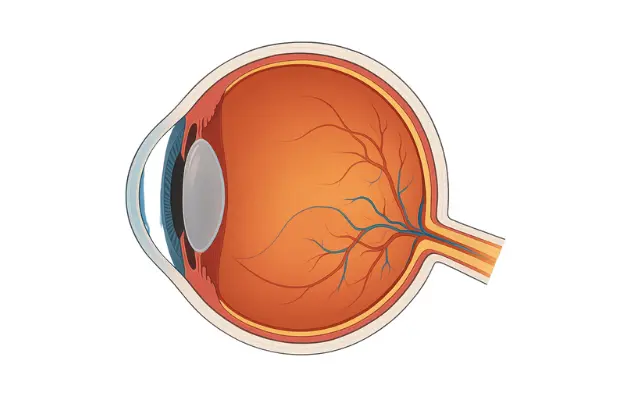
What is Dry Eye?
Dry eye disease, also known as keratoconjunctivitis sicca, is far more than just a momentary feeling of dryness. It's a complex condition that arises when your tear film—the intricate, multi-layered shield that protects and lubricates your eyes—becomes compromised. This compromise can stem from insufficient tear production, poor tear quality, or an accelerated rate of tear evaporation, all leading to inflammation and potential damage to the delicate ocular surface.
According to the Mayo Clinic, dry eye disease occurs when your tears aren't able to provide adequate lubrication for your eyes. Tears can be inadequate and unstable for many reasons. For example, dry eyes may occur if you don't produce enough tears or if you produce poor-quality tears. This tear instability leads to inflammation and damage of the eye's surface. (Source: Mayo Clinic, "Dry eyes") The National Eye Institute also describes dry eye as a common condition that occurs when the eyes do not make enough tears or the tears evaporate too quickly. This can lead to discomfort and potential vision problems. (Source: National Eye Institute, “Dry Eye Disease”)
Common Symptoms of Dry Eye
Dry eye manifests in a variety of ways, often affecting both eyes simultaneously. Look out for these telltale signs:
- Ocular Discomfort: A persistent stinging, burning, or scratchy sensation, as if sand or grit is lodged in your eyes.
- Mucus Accumulation: Stringy mucus appearing in or around your eyes, especially upon waking.
- Photophobia: Increased sensitivity to light, causing discomfort and squinting.
- Ocular Hyperemia: Noticeable redness in the whites of your eyes.
- Foreign Body Sensation: The persistent feeling of having something trapped in your eye.
- Contact Lens Intolerance: Difficulty wearing contact lenses due to discomfort and irritation.
- Nyctalopia Challenges: Difficulty with nighttime driving, often due to glare and reduced visual clarity.
- Paradoxical Lacrimation: Watery eyes, which may seem counterintuitive but are actually a reflex response to irritation.
- Visual Disturbances: Blurred vision or eye fatigue, particularly after prolonged visual tasks. The American Academy of Ophthalmology (AAO) confirms these symptoms and adds that dry eyes can also cause a feeling of heaviness in the eyelids. (Source: American Academy of Ophthalmology, “Dry Eye Syndrome Symptoms”)
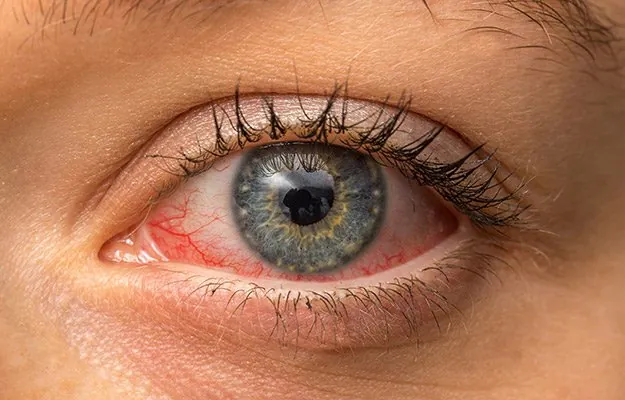
Causes of Dry Eye
Reduced Tear Production (Aqueous Deficiency):
- Natural aging processes, leading to diminished lacrimal gland function.
- Autoimmune disorders like Sjögren's syndrome, rheumatoid arthritis, and lupus, which attack the tear-producing glands.
- Endocrine imbalances, including thyroid dysfunction, which can affect tear volume.
- Certain medications, such as antihistamines, antidepressants, diuretics, and beta-blockers, which can reduce tear secretion.
- Corneal nerve damage, often resulting from prolonged contact lens use or refractive surgeries like LASIK, which can impair the tear reflex.
Increased Tear Evaporation (Evaporative Dry Eye):
- Meibomian gland dysfunction (MGD), where the oil-producing glands in the eyelids become blocked or dysfunctional, leading to rapid tear evaporation. This is frequently associated with rosacea and seborrheic dermatitis.
- Infrequent blinking, a common occurrence during prolonged screen time, reading, or other focused activities, which reduces tear replenishment.
- Eyelid abnormalities, such as ectropion (outward turning of the eyelids) and entropion (inward turning of the eyelids), which prevent proper tear distribution.
- Ocular allergies, which can cause inflammation and disrupt the tear film.
- Environmental factors, including dry air, wind, and smoke, which accelerate tear evaporation.
- Vitamin A deficiency, which can affect the health of the ocular surface.
- Preservatives in topical eye drops, which can irritate the ocular surface with prolonged use.
Risk Factors
Several factors increase your susceptibility to dry eye:
- Age (over 50): Tear production naturally diminishes with age, making dry eye more prevalent in older adults. (Source: Mayo Clinic, "Dry eyes")
- Gender (women are more prone): Hormonal fluctuations, particularly during pregnancy, menopause, and the use of birth control pills, can contribute to dry eye in women. (Source: National Eye Institute, "Dry Eye")
- Diet (low in vitamin A or omega-3 fatty acids): Deficiencies in these nutrients can impair tear film production and quality. (Source: American Academy of Ophthalmology, "Dry Eye Syndrome")
- Contact lens use or a history of refractive surgery: Both contact lenses and certain eye surgeries can disrupt the tear film and increase the risk of dry eye. (Source: Review of Optometry, "How Contact Lenses Contribute to Dry Eye”)
Possible Complications
Untreated dry eye can lead to a cascade of complications that extend beyond mere discomfort, significantly impacting ocular health and overall well-being. The lack of adequate tear film creates a vulnerable environment, making the eyes more susceptible to infections. Without the protective barrier of tears, microorganisms can readily invade the ocular surface, potentially leading to serious infections.
Furthermore, chronic dry eye can inflict damage to the delicate corneal surface. Prolonged dryness can cause the cornea to become inflamed, resulting in painful abrasions and even corneal ulcers. These ulcers, if left untreated, can lead to scarring and ultimately compromise vision. The persistent irritation and discomfort associated with dry eye can also significantly diminish one's quality of life.
Everyday activities, such as reading, working on a computer, or even driving, can become challenging and frustrating. The constant sensation of dryness, grittiness, and blurred vision can interfere with concentration, productivity, and overall enjoyment of life. Moreover, the emotional toll of dealing with chronic eye discomfort can contribute to feelings of anxiety and depression. Therefore, addressing dry eye proactively is essential not only for preserving ocular health but also for maintaining a high quality of life.

Effective Treatments for Dry Eye
You can find every detail about dry eye treatment in this blog: Dry Eye Relief: Home Remedies & Advanced Treatments
This section summarizes all treatments available to relieve dry eye.
1. Lifestyle Modifications:
- Blinking Exercises: Consciously blinking more frequently, especially during prolonged screen time, can help distribute tears evenly across the eye's surface.
- Environmental Adjustments:
- Using a humidifier to add moisture to dry indoor air.
- Avoiding direct airflow from fans, air conditioners, and hair dryers.
- Wearing wraparound sunglasses to protect eyes from wind and sun.
- Dietary Changes:
- Increasing intake of omega-3 fatty acids through fish, flaxseed, or supplements.
- Ensuring adequate vitamin A intake through foods like carrots, sweet potatoes, and leafy greens.
- Hydration is also very important. Drink plenty of water.
- Screen Time Management: Taking frequent breaks from screens using the 20-20-20 rule (every 20 minutes, look at something 20 feet away for 20 seconds).
2. Over-the-Counter Treatments:
- Artificial Tears: Lubricating eye drops are a mainstay of dry eye treatment. Choose preservative-free options if you use them frequently.
- Lubricating Gels and Ointments: These thicker formulations provide longer-lasting relief, especially at night.
- Eyelid Cleansers: Gentle cleansers can help remove debris and oil buildup from the eyelids, which can contribute to dry eye.
3. Prescription Medications:
- Prescription Eye Drops:
- Cyclosporine and lifitegrast: These medications help reduce inflammation associated with dry eye.
- Corticosteroid eye drops: These are used for short-term use to reduce severe inflammation.
- Cholinergic Agonists: These medications increase tear production.
- Nasal Sprays: Certain nasal sprays can stimulate tear production.
4. In-Office Procedures:
- Punctal Plugs: Tiny plugs inserted into the tear ducts to block drainage and keep tears on the eye's surface longer.
- Intense Pulsed Light (IPL) Therapy: This treatment can help improve meibomian gland function, which is often a cause of dry eye.
- Thermal Pulsation System: This system applies heat and gentle pressure to the eyelids to unclog meibomian glands.
- BlephEx: This procedure cleans the eyelids and removes debris that contributes to blepharitis, which can exacerbate dry eye.
- Warm compresses: Applying warm compresses to the eyelids can help loosen blocked meibomian glands.
5. Addressing Underlying Conditions:
- Treating underlying medical conditions, such as Sjogren's syndrome, rheumatoid arthritis, or thyroid disorders, can help alleviate dry eye symptoms.
- Reviewing medications with your doctor to identify and potentially switch those that contribute to dry eye.
Choosing the Right Treatment:
The most effective treatment plan will depend on the cause and severity of your dry eye. It's essential to consult with an eye doctor to:
- Determine the underlying cause of your dry eye.
- Evaluate the severity of your condition.
- Develop a personalized treatment plan.
- Monitor your progress and adjust treatment as needed.
By working closely with your eye doctor, you can find the right combination of treatments to manage your dry eye and enjoy improved comfort and vision.
Preventing Dry Eye
While you can't always prevent dry eye, you can take proactive steps to significantly minimize symptoms and enhance overall eye comfort. Beyond simply avoiding direct airflow from hair dryers, car heaters, and fans, consider the subtle air currents in your environment. Even ceiling fans, when set on high, can contribute to increased tear evaporation.
In winter, while a humidifier is essential, ensure it's properly maintained to prevent the spread of mold or bacteria, which can exacerbate eye irritation. When choosing protective eyewear, prioritize wraparound sunglasses with UV protection to shield your eyes from both wind and harmful sun rays.
If you work in a dusty or windy environment, consider safety goggles with side shields for added protection. During long tasks that require visual concentration, such as reading or computer work, consciously practice the 20-20-20 rule, but also remember to fully close your eyes for a few seconds every few minutes to allow for optimal tear distribution. When positioning your computer screen, aim for a distance of about arm's length and slightly below eye level.
Additionally, adjust the brightness and contrast of your screen to reduce eye strain. If you're a smoker, quitting is the most effective way to improve your eye health and overall well-being. If you're exposed to secondhand smoke, try to minimize your exposure by staying in well-ventilated areas. When selecting artificial tears, opt for preservative-free options if you use them frequently, as preservatives can irritate sensitive eyes.
Consider using lubricating eye ointments at night to provide long-lasting relief. Furthermore, maintain proper eyelid hygiene by gently cleansing your eyelids with a warm compress or a mild eyelid cleanser to remove any debris or oil buildup that can contribute to dry eye. Finally, ensure you are drinking plenty of water throughout the day, proper hydration is essential for overall health, and contributes to healthy tear production.
When to See an Eye Doctor
If you experience prolonged symptoms like red, irritated, tired, or painful eyes, it's crucial to consult your healthcare provider. This consultation becomes especially important when symptoms persist despite the use of over-the-counter lubricating eye drops or other self-care measures. Your provider can perform a comprehensive eye examination, including evaluating your tear film and identifying any underlying conditions that might be contributing to your dry eye. They can also differentiate dry eye from other eye problems, such as allergies or infections, which may present with similar symptoms. Furthermore, a healthcare professional can assess the severity of your dry eye and determine the most appropriate treatment plan tailored to your specific needs, which may include prescription medications, in-office procedures, or recommendations for specialized eye care. Early diagnosis and intervention can prevent potential complications, such as corneal damage or vision impairment, and improve your overall eye health and quality of life.

Frequently Asked Questions (FAQs) - Dry Eyes
Severe dry eye symptoms include:
- Intense burning, stinging, or scratchy sensation
- Persistent foreign body sensation
- Stringy mucus
- Light sensitivity (photophobia)
- Blurred vision, especially with prolonged visual tasks
- Difficulty wearing contact lenses
- Eye fatigue and redness
- In severe cases, corneal damage may occur
Yes, dry eye can improve with proper management. While it may be a chronic condition requiring ongoing care, consistent treatment can significantly reduce symptoms and improve eye comfort. In some cases, addressing underlying causes or making lifestyle changes can lead to long-term improvement.
Several conditions mimic dry eye symptoms, including:
- Allergies: Allergic conjunctivitis can cause itching, redness, and watering.
- Blepharitis: Inflammation of the eyelids can lead to dryness, irritation, and crusting.
- Meibomian gland dysfunction (MGD): Blockage of oil glands in the eyelids can cause evaporative dry eye.
- Conjunctivitis (pink eye): Viral or bacterial infection can cause redness, discharge, and discomfort.
- Vitamin A deficiency: Vitamin A is essential for maintaining a healthy ocular surface.
- Omega-3 fatty acid deficiency: These essential fats contribute to tear film stability.
- Dry eyes: Burning, sandy or gritty feeling, may have excessive watering, usually affects both eyes.
- Allergy eyes: Intense itching, often accompanied by sneezing and a runny nose, may be seasonal.
While staying hydrated is essential for overall health, drinking water alone may not be enough to significantly improve dry eyes. However, severe dehydration can worsen symptoms.
Vaseline is not typically recommended for dry eyes. It can blur vision and may not address the underlying causes of dryness. It's best to use artificial tears or lubricating gels specifically designed for the eyes.
While "cure" may not always be possible, managing dry eyes effectively can lead to long-term relief. This involves addressing underlying causes, consistent treatment, and lifestyle adjustments.
The best medication varies depending on the individual and the cause of dry eye. Consult an ophthalmologist for personalized recommendations.
- Lubricating eye ointment: Apply a small amount before bed.
- Humidifier: Add moisture to the bedroom air.
- Sleep mask: Helps retain moisture around the eyes.
We're here to help—contact us to learn more or schedule an appointment!