
Lead Ophthalmologist · Cataract and Retina Surgeon
Dr. JD Ferwerda, MD
Dr. JD Ferwerda, MD: Dutch-trained ophthalmologist specialising in cataracts, lens exchange, retinal disease, glaucoma, and AMD.
Uveitis is inflammation inside the eye — sometimes sudden, sometimes quiet. Pain, redness, light sensitivity, floaters or blurred vision can be signs, and prompt assessment matters because untreated inflammation can damage sight.

Pain, light sensitivity or floaters deserve a closer look
Pain or a deep ache in one eye
Redness, especially around the coloured part of the eye
Sensitivity to ordinary indoor light
Blurred, hazy or reduced vision
New floaters, spots or cobweb-like shapes
Flashes of light or dark areas in your vision
Headache or brow ache alongside a red eye
Red or watery eyes with light sensitivity
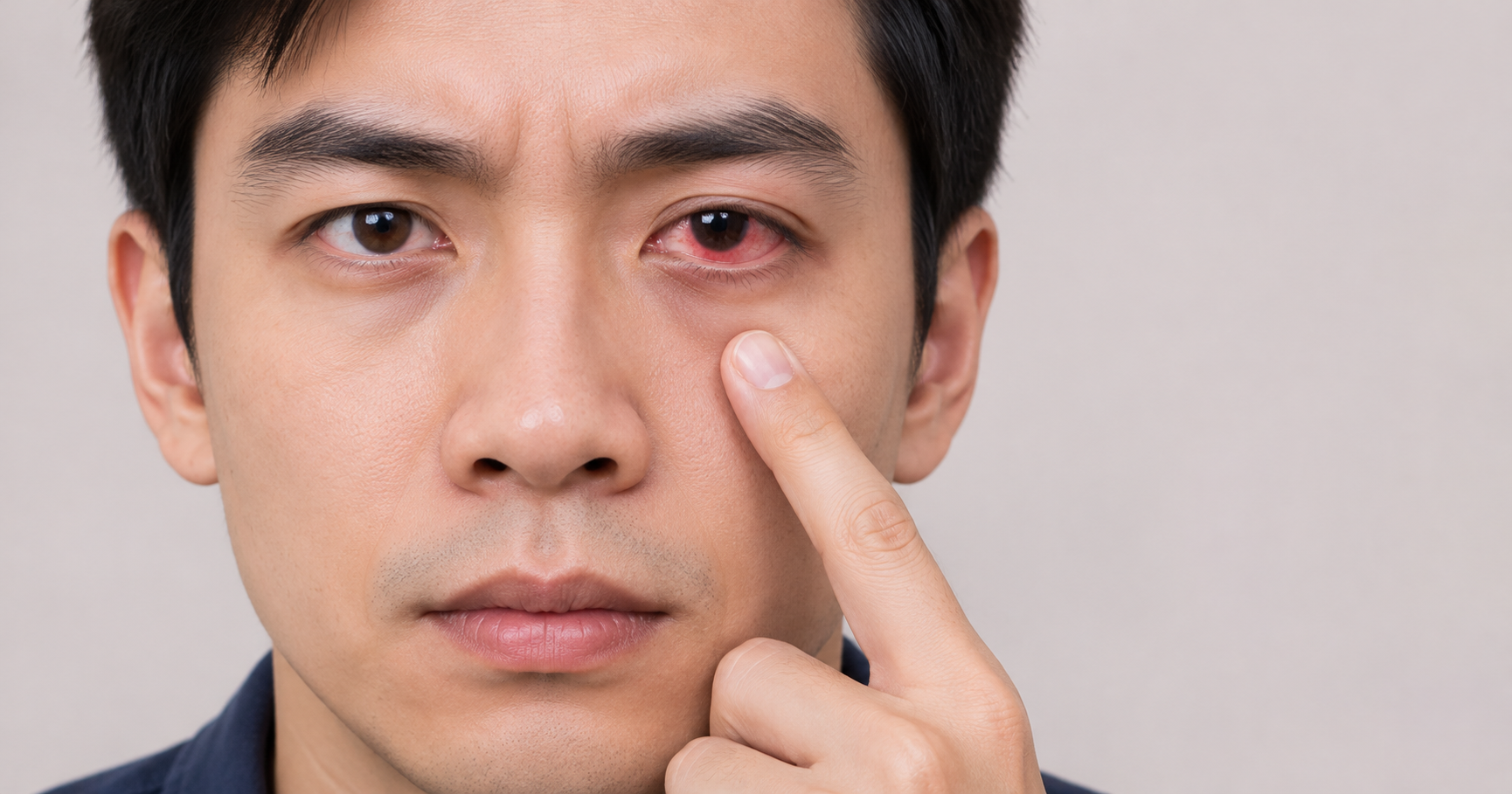
Uveitis is inflammation of the uvea, the middle layer of the eye, which includes the iris, ciliary body and choroid. Inflammation may also affect the vitreous, retina or other structures inside the eye. Symptoms and treatment depend on which part of the eye is involved.
The cause is sometimes unknown, but it may be linked to infection, immune-system conditions, injury or other health problems. Treatment depends on the type and underlying cause.
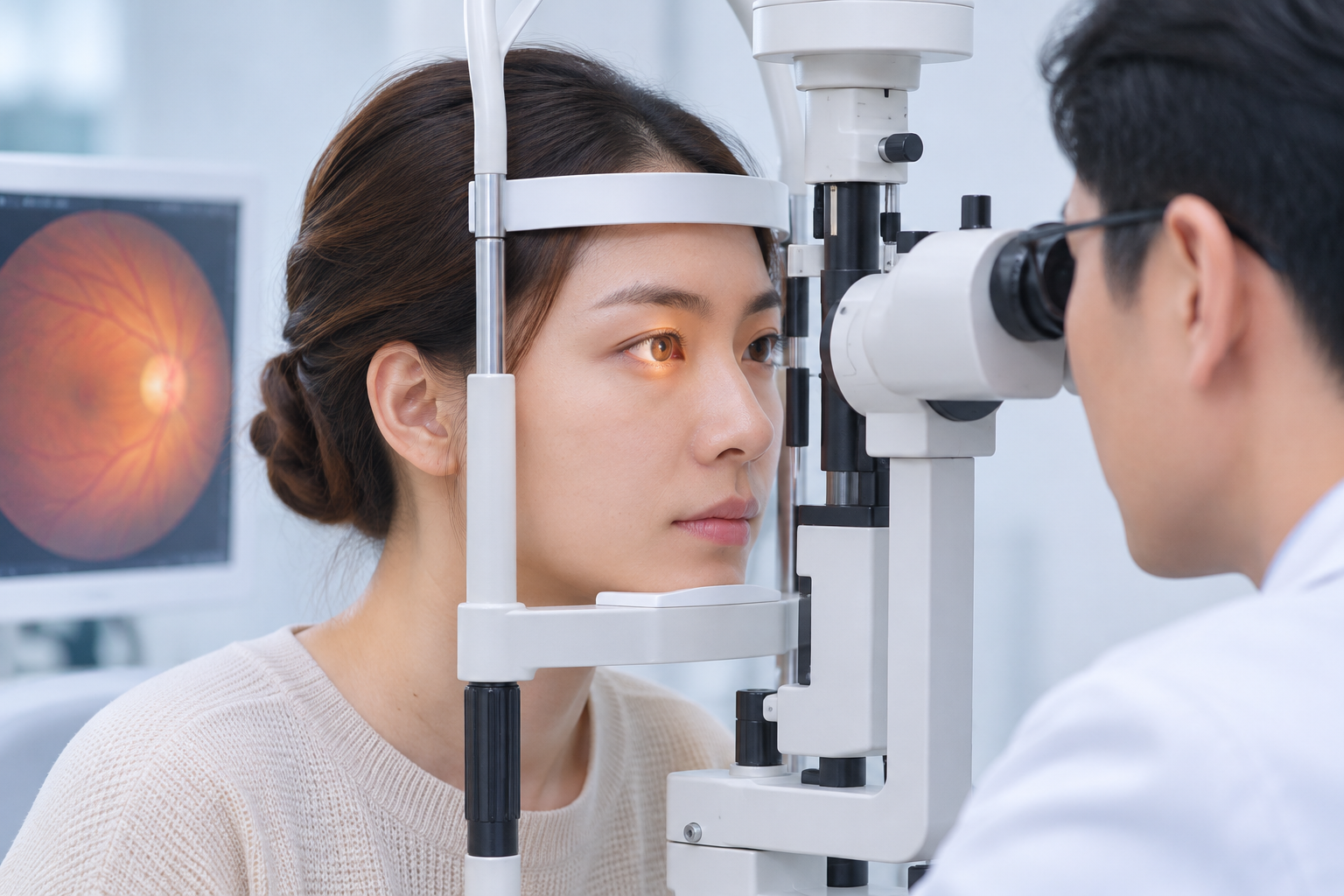
Uveitis can look like conjunctivitis, dry eye or another form of eye irritation. Posterior uveitis may cause floaters or reduced vision without a very red or painful eye. Some people have few obvious symptoms at all.
The treatment also depends on the cause. Inflammation related to an infection needs a different approach from non-infectious inflammation. A careful ophthalmic examination helps identify where the inflammation is, whether the retina or macula is involved, and how urgently treatment is needed.
A uveitis assessment begins with a review of your symptoms, medical history and previous treatments. Your doctor may ask about infections or other health conditions.
The examination may include vision testing, slit-lamp examination, eye-pressure measurement and a dilated retinal examination. OCT or other imaging may be used to detect retinal inflammation or swelling. Additional tests may be needed to identify an underlying cause.
Checks for signs of inflammation in the front of the eye.
Measures eye pressure to detect potential complications.
Examines the vitreous and retina for inflammation or other changes.
Provides detailed images to detect retinal swelling or inflammation when needed.
Investigates possible infections or underlying health conditions, with specialist referral if needed.
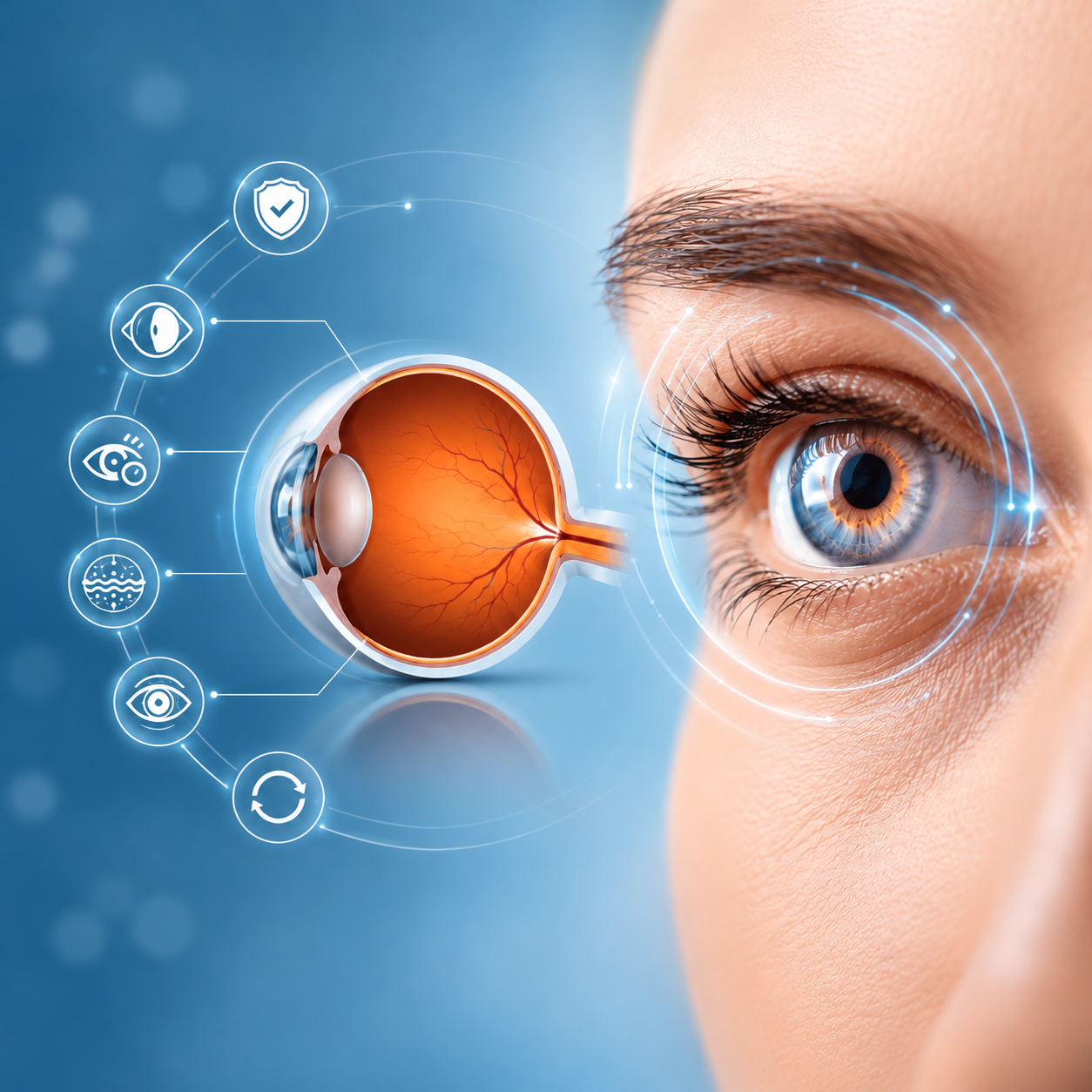
Uveitis treatment is not one-size-fits-all. Anterior inflammation may be treated with prescription drops to reduce inflammation and discomfort. Inflammation affecting the vitreous, retina or macula may require a different form of treatment, including medicines delivered around or inside the eye, or medicines that work through the body.
If an infection is suspected, anti-infective treatment may be needed. If uveitis is recurrent or linked to an inflammatory condition, care may involve coordination with another medical specialist. Regular follow-up is important because inflammation, eye pressure, retinal swelling, cataract and treatment side effects all need to be monitored.
Dr. JD Ferwerda, MD: Dutch-trained ophthalmologist specialising in cataracts, lens exchange, retinal disease, glaucoma, and AMD.

Russian-trained refractive and general ophthalmologist, leads lasik/ laser vision correction at EEC