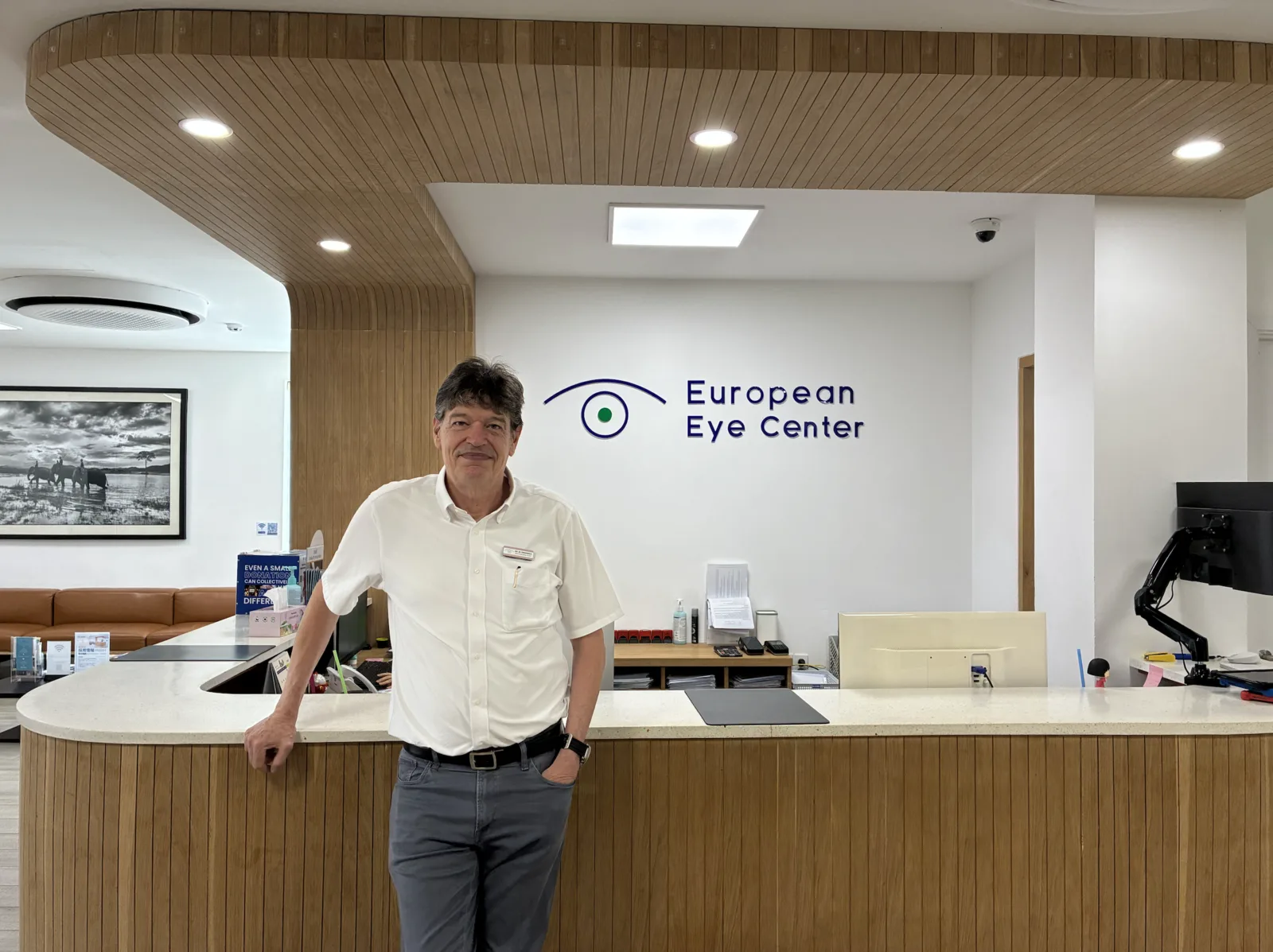
Lead Ophthalmologist · Cataract and Retina Surgeon
Dr. JD Ferwerda, MD
Dr. JD Ferwerda, MD: Dutch-trained ophthalmologist specialising in cataracts, lens exchange, retinal disease, glaucoma, and AMD.
When the eyes stop pointing at the same thing — whether the drift has been there since childhood or the double image appeared this week — it is worth having assessed. In children, early alignment protects vision for life. In adults, sudden new double vision can be a sign that needs urgent attention.
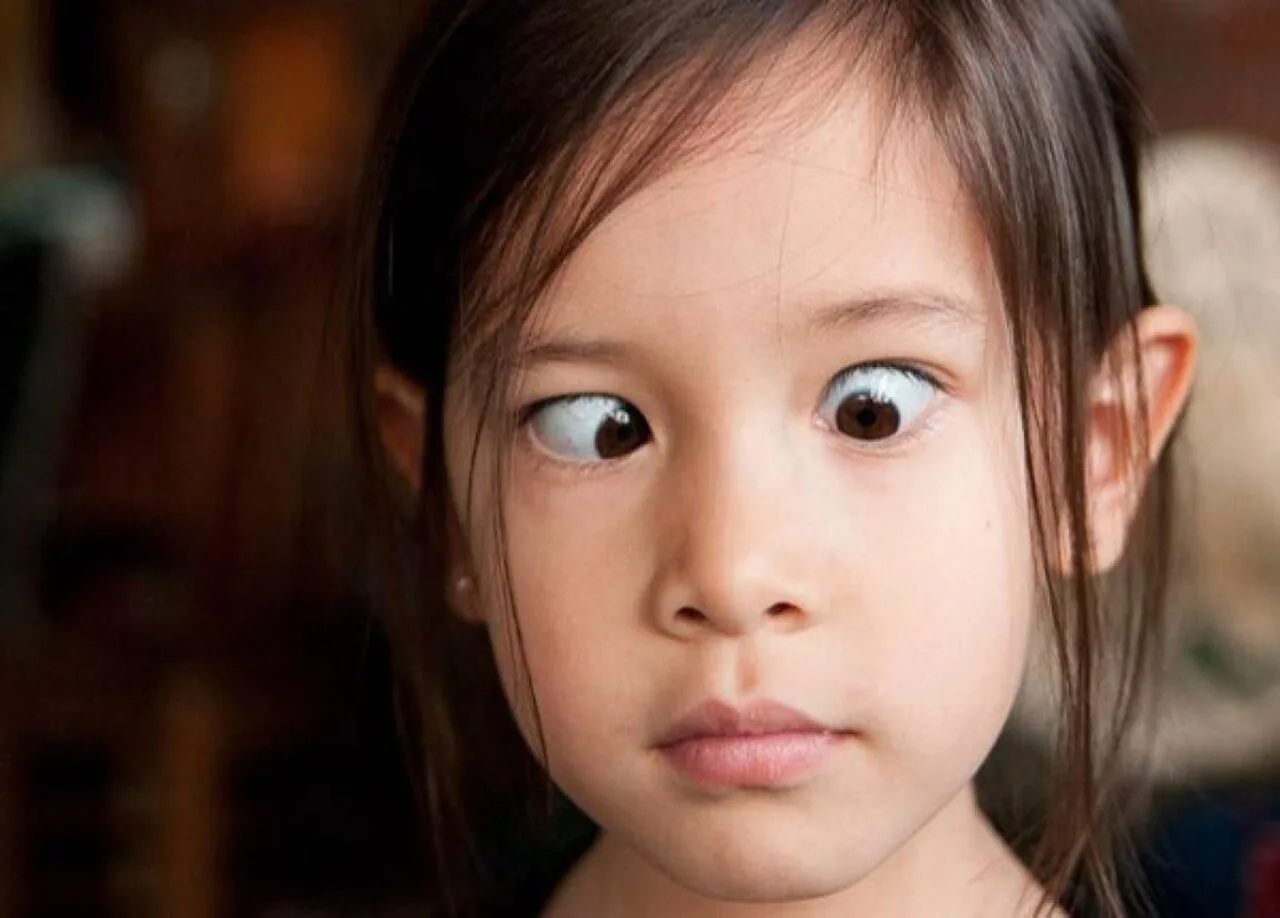
Book a consultation if your child's eyes drift, turn inward, outward, up or down.
Double vision — diplopia — is what happens when suppression is not in place. The classic distinction is binocular versus monocular. Binocular double vision comes from misalignment: cover either eye and the second image disappears. Monocular double vision persists in one eye even with the other covered, and usually points to something in the cornea or lens rather than the alignment system. New binocular double vision in an adult is treated as a red flag until proven otherwise — nerve palsies, thyroid eye disease, myasthenia and stroke can all present this way, and same-day assessment matters.
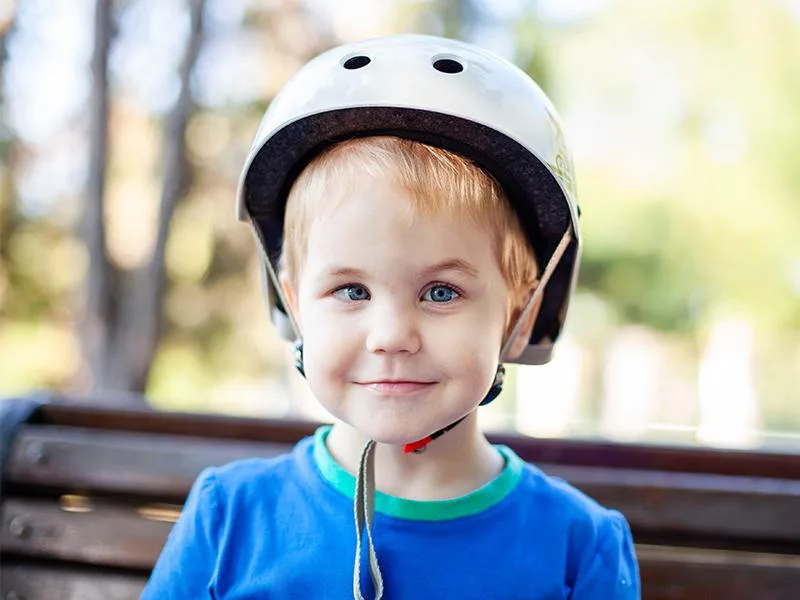
A small-angle or intermittent strabismus can be invisible for most of the day. It shows itself when the child is tired at bedtime, unwell with a fever, or fixed on a screen — and by the time you look again the eyes are back in line. Children very seldom mention double vision, because the brain has often already learned to suppress the second image. Adults, by contrast, cannot suppress an eye that has been aligned for decades — so new adult misalignment usually announces itself as diplopia rather than as a visible turn.
Strabismus in a young child and new-onset diplopia in an adult are both situations where earlier is better. The threshold for booking an assessment is low — if any of the following sound familiar, it is worth a visit.
An eye that turns in, out, up or down — even briefly, even only sometimes
A head tilt, face turn or chin lift that has appeared or worsened
A family member has strabismus, amblyopia, or wore a patch as a child
Sudden new double vision, especially with headache, weakness, or after a head injury
A school screening or driving assessment flagged the eyes are not working together
A child who covers or closes one eye to see clearly at distance or up close
A strabismus and diplopia assessment is built around a few essentials. Visual acuity is measured eye-by-eye. Cover and alternate-cover testing, with prism neutralisation, quantifies the size and direction of the deviation at distance and near. Ocular motility is checked in the nine positions of gaze to catch a nerve palsy or restrictive pattern. In children, a cycloplegic refraction — using drops to relax the focusing muscle — is essential, because uncorrected long-sightedness is one of the most common drivers of accommodative esotropia. In adults with new diplopia, the history and pattern of the deviation guide whether imaging or a medical workup is needed the same day.
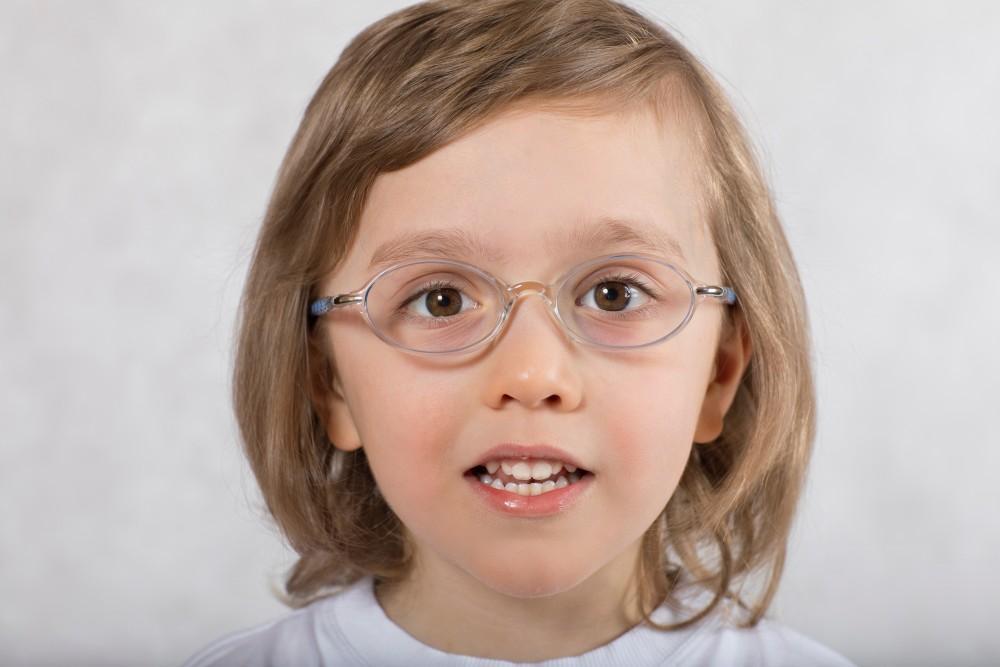
A first strabismus or diplopia assessment is thorough. A second short visit after cycloplegia is sometimes useful in children to confirm the prescription.
Time to feel comfortable in the room. For children we start with simple, unintimidating tasks — matching pictures, following a small toy — before any equipment comes near. For adults, we walk through the history in detail: when it started, what makes it better or worse.
Visual acuity each eye in turn, cover and prism cover testing at distance and near, ocular motility in the nine positions of gaze, and — in children or where indicated — a cycloplegic refraction and dilated fundus examination.
The doctor walks you through what was seen, in language you can follow. Diagrams on screen, with the imaging and prism measurements open, so the type and size of the deviation are clear.
A written plan — glasses, prisms, patching or orthoptic exercises, and where relevant a referral for surgical realignment — with the date of the next review. Most plans are reassessed every six to twelve weeks.
Dr. JD Ferwerda, MD: Dutch-trained ophthalmologist specialising in cataracts, lens exchange, retinal disease, glaucoma, and AMD.
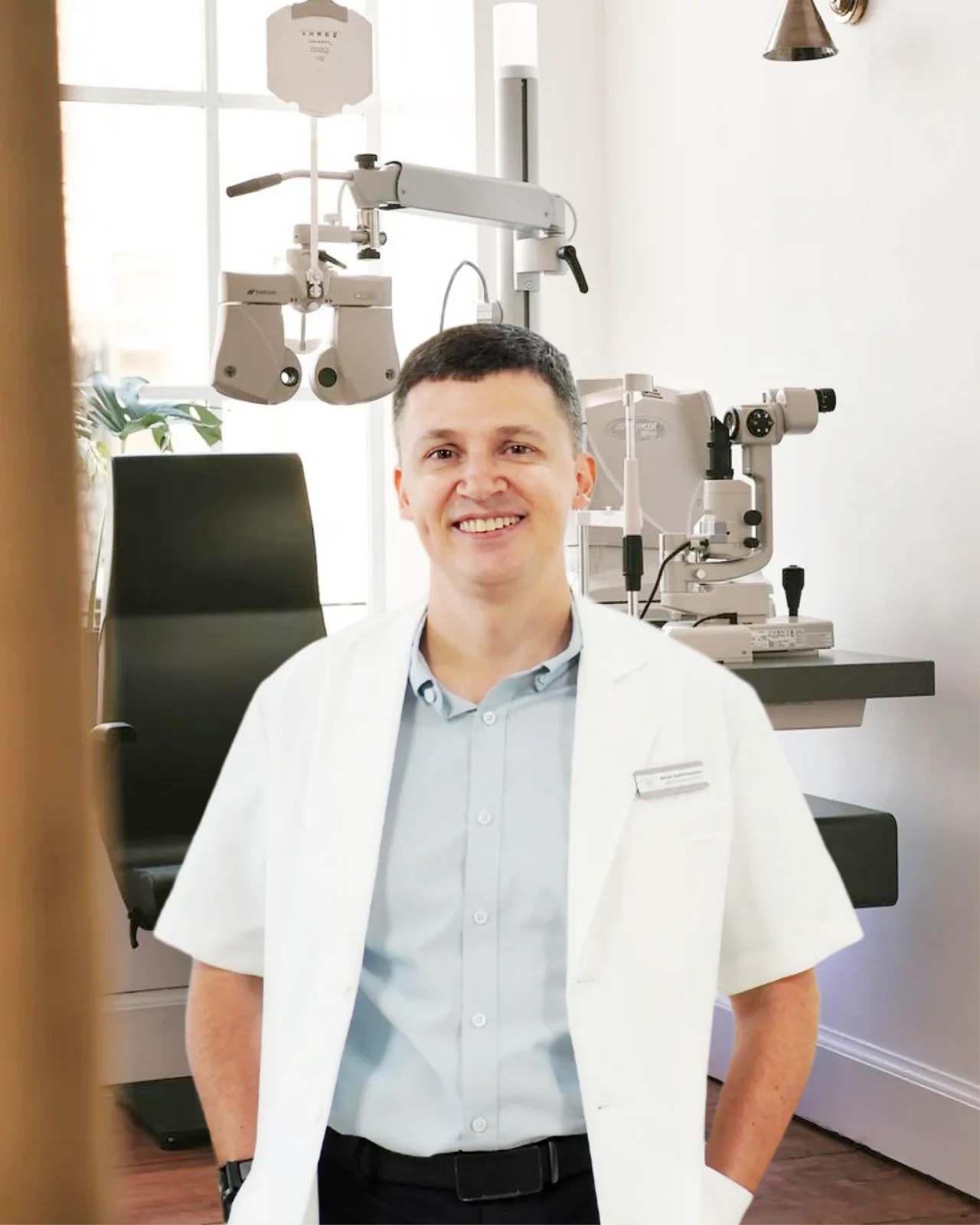
Russian-trained refractive and general ophthalmologist, leads lasik/ laser vision correction at EEC

