
Subconjunctival Haemorrhage — subconjunctival haemorrhage, subconjunctival, haemorrhage — A sudden red patch on the white of your eye?

Eye Conditions / Blepharitis

Blepharitis

Blepharitis is inflammation along the eyelid margins. It can make your eyes itchy, gritty, watery, red or tired, and often overlaps with meibomian gland dysfunction and dry eye. The right plan starts with finding out what is driving the inflammation.
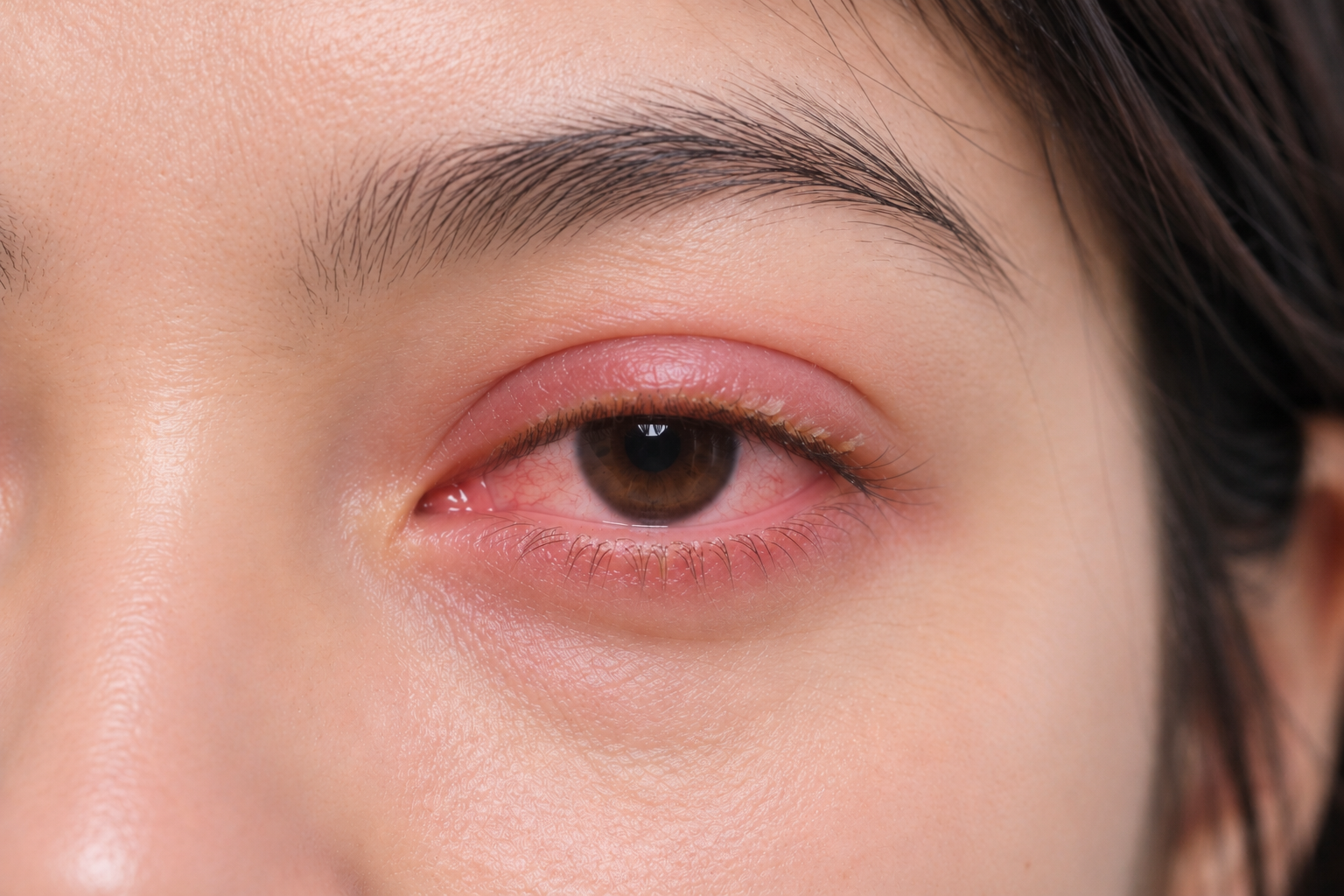
It may look serious, even when it is not — subconjunctival haemorrhage, serious, subconjunctival, haemorrhage, white, patch — A subconjunctival haemorrhage is usually a small, painless bleed beneath the clear membrane covering the white of the eye.

Common features

What blepharitis can feel like, day to day

Blepharitis can cause a range of uncomfortable symptoms that affect your eyes throughout the day. From crusty eyelashes in the morning to itchy, irritated eyelids and fluctuating vision, these symptoms may come and go or persist over time.

Crusting around the eyelashes when you wake up

Itchy or burning eyelids

A gritty or sandy sensation

Redness along the eyelid margins

Swollen or heavy-feeling eyelids

Watery eyes, even when the eyes also feel dry

URGENT

Severe eye pain, sudden vision changes, significant light sensitivity, or rapidly worsening redness and swelling are not typical of simple blepharitis. Seek urgent ophthalmic assessment.
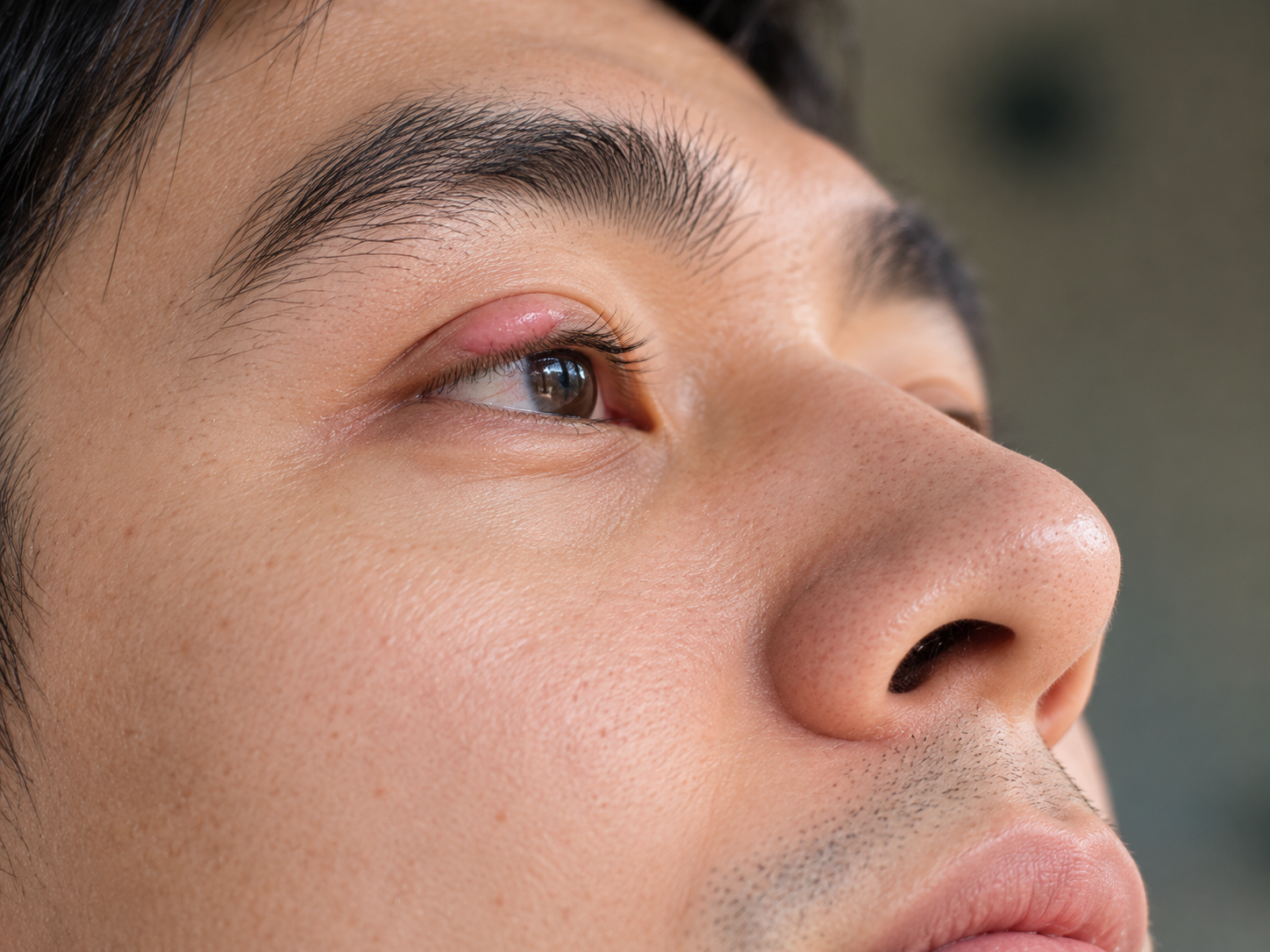
What is a subconjunctival haemorrhage? — subconjunctival haemorrhage, subconjunctival, haemorrhage, blood — A subconjunctival haemorrhage happens when a tiny blood vessel beneath the conjunctiva breaks, causing blood to collect on the surface of the eye and…

What is it

What is blepharitis?

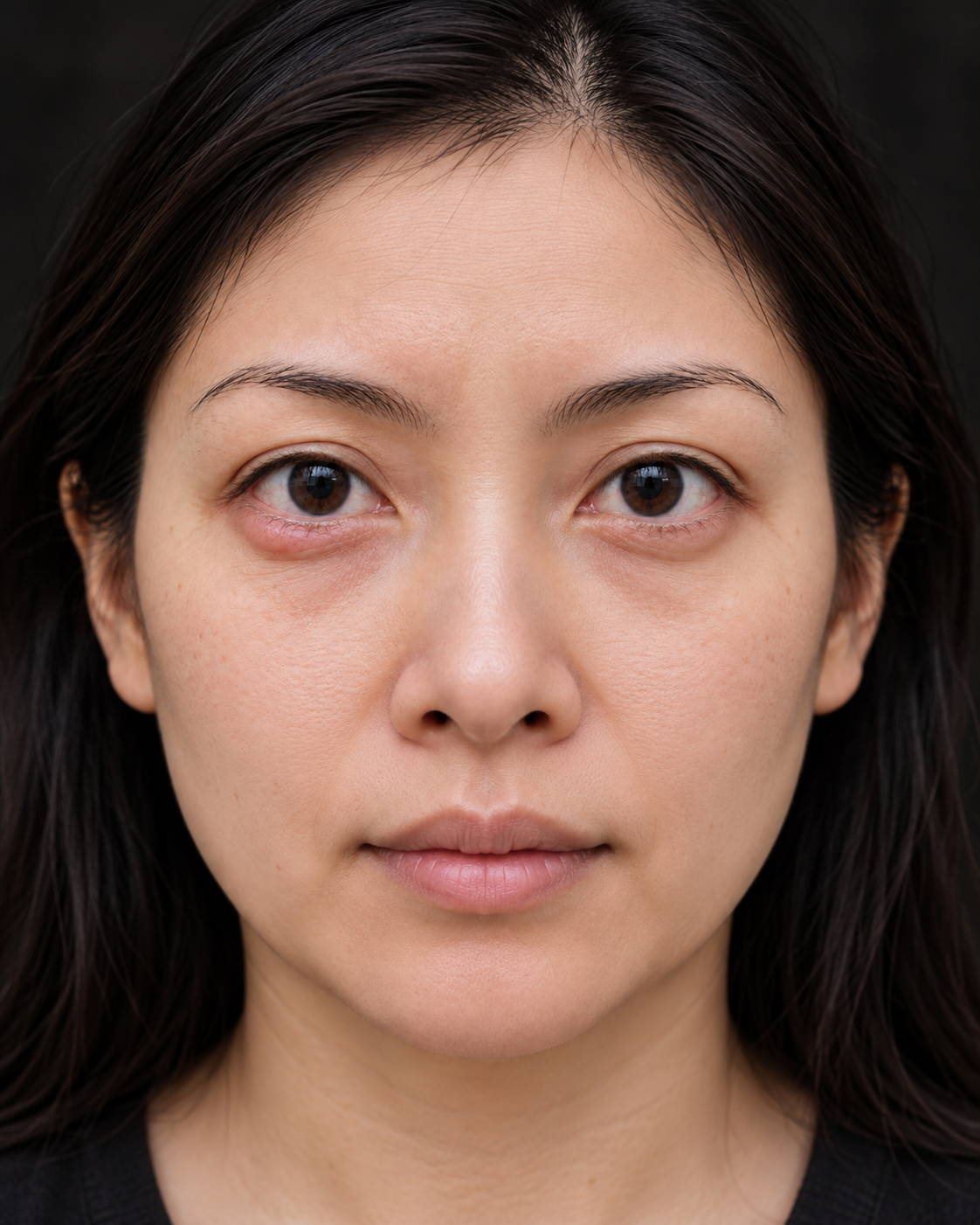
Blepharitis is inflammation of the eyelid margins, affecting the eyelashes and oil glands. It can cause irritation, redness and dry eye symptoms, and often requires ongoing management.
Affects the eyelash roots and eyelid margins

Can disrupt the oil glands and tear film

Often linked to dry eye, rosacea or dandruff

Can affect the front (anterior) or back (posterior) of the eyelids

Symptoms may improve and return over time

Usually manageable with consistent eyelid care

Care begins with a careful look at the whole eye. — subconjunctival haemorrhage, careful, whole — A red patch is often harmless, but the safest assessment considers the whole eye — not only the visible area.

Persistent eyelid irritation deserves more than another bottle of drops.

Blepharitis often needs ongoing management, but the plan should be based on the eyelid margins, meibomian glands and tear film — not on symptoms alone.

Book a consultation How we work

Why it can be easy to misunderstand — subconjunctival haemorrhage, misunderstand — A subconjunctival haemorrhage can appear very suddenly, and may seem to become larger during the first day.

Why it matters

Why blepharitis is often missed

Blepharitis can be mistaken for simple irritation, conjunctivitis or dry eye. Its symptoms often result from overlapping causes, including eyelid inflammation, blocked oil glands, skin conditions and an unstable tear film.

Anterior and posterior blepharitis can occur together

Meibomian gland dysfunction can destabilise the tear film and worsen dry-eye symptoms

Rosacea, dandruff, allergies and other skin conditions may contribute

Recurrent styes or chalazia can be a sign that the eyelid glands need closer assessment

A closer look helps guide care

A detailed examination helps identify which factors are contributing to your symptoms and guides a more targeted treatment plan.

When should you arrange an assessment? — subconjunctival haemorrhage, arrange, assessment — Repeated haemorrhages, or unexplained bruising or bleeding elsewhere You take aspirin, warfarin or another blood thinner, or have a clotting disorder The…

When to book

When should you arrange an assessment?

Persistent crusting, burning, itching or swelling despite eyelid cleaning

Fluctuating vision, contact lens discomfort, or eyes that feel both watery and dry

Recurrent styes or chalazia, or eyelashes falling out or growing in the wrong direction

Rosacea, dandruff or persistent facial skin inflammation
Check carefully. Explain honestly. — subconjunctival haemorrhage, check, carefully, explain, honestly, medical — Your ophthalmologist asks when the redness began and whether there was trauma, coughing, straining, surgery or eye rubbing, then reviews your medicines…

Our Diagnosis

How our doctors approach blepharitis

Your doctor will examine your eyelids, eyelashes, oil-gland openings and eye surface, and ask about your symptoms, previous treatments and related conditions.

Eyelid and eyelash examination under magnification

Assessment of meibomian-gland openings and secretions

Tear-film and ocular-surface assessment

Review of related skin conditions, medications and environmental triggers

Additional testing when needed

Your assessment may include tear-film testing and meibomian-gland imaging. These tests help distinguish eyelid-margin inflammation from gland dysfunction, dry eye or other conditions affecting the eye surface.

Treatment follows the cause

Treatment tailored to your eyelids

Treatment starts with consistent eyelid care, guided by your doctor. If home care is not enough, EEC’s BlephEx eyelid-cleaning treatment may be considered after examination.

Additional care depends on your findings, with a focus on long-term symptom control.

  • Personalised eyelid hygiene and warm-compress routine
  • Lubricating drops when the tear film is affected
  • Doctor-guided prescription treatment when inflammation or infection requires it
  • BlephEx eyelid cleaning when appropriate
  • Management of associated dry eye, rosacea or meibomian gland dysfunction
  • Follow-up to assess comfort, eyelid margins and tear-film stability

Book an ophthalmic assessment — subconjunctival haemorrhage, ophthalmic, assessment

Book an ophthalmic assessment

+84 (0) 28 2253 3574
Meet your specialist

Care led by specialists you'll meet in person.

Dr. JD Ferwerda
Lead Ophthalmologist · Cataract and Retina Surgeon

Dr. JD Ferwerda, MD

Dr. JD Ferwerda, MD: Dutch-trained ophthalmologist specialising in cataracts, lens exchange, retinal disease, glaucoma, and AMD.
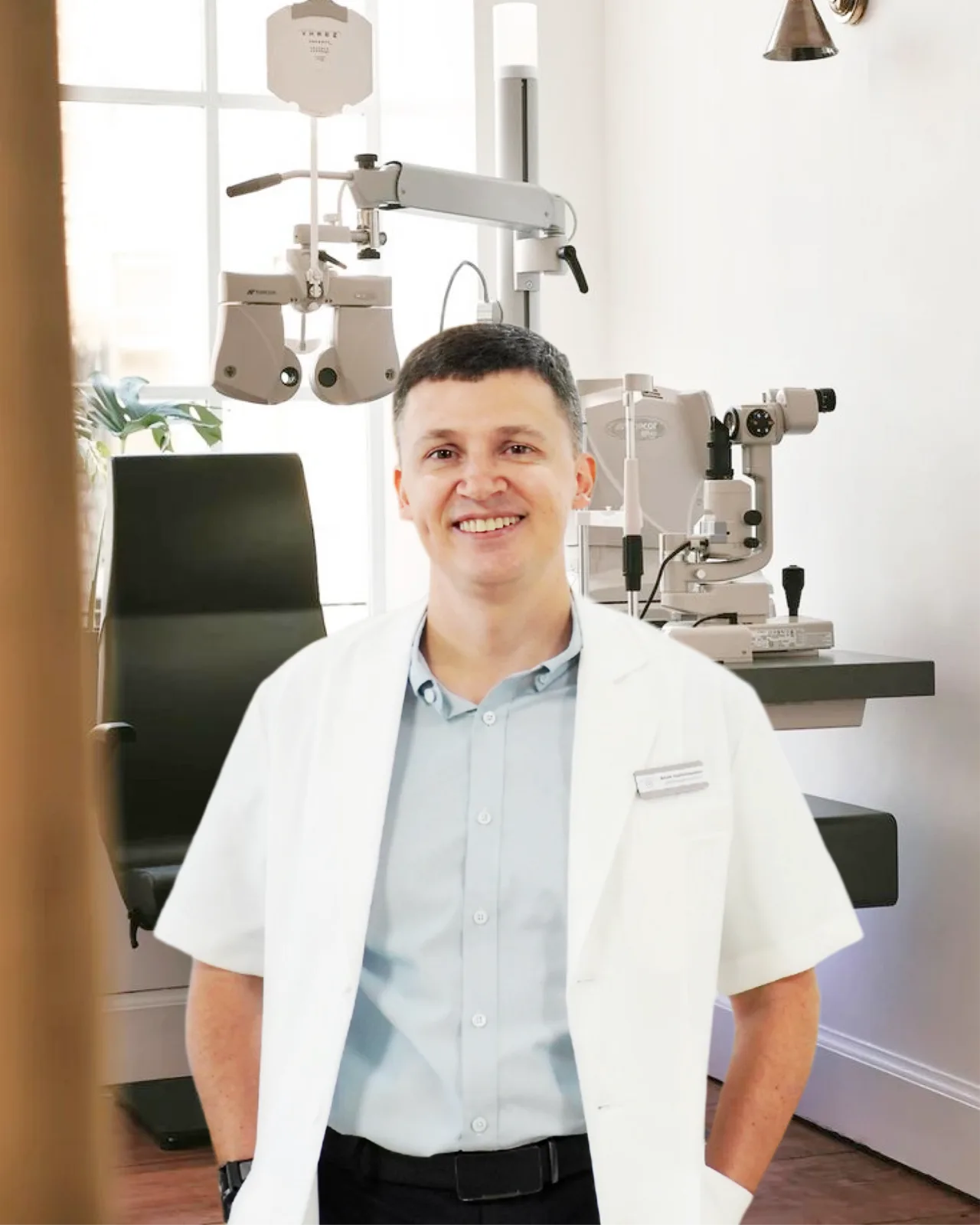
Dr. Artem Kozhechenkov
Refractive Surgeon

Dr. Artem Kozhechenkov, MD

Russian-trained refractive and general ophthalmologist, leads lasik/ laser vision correction at EEC