主任眼科専門医 · 白内障・網膜手術専門医
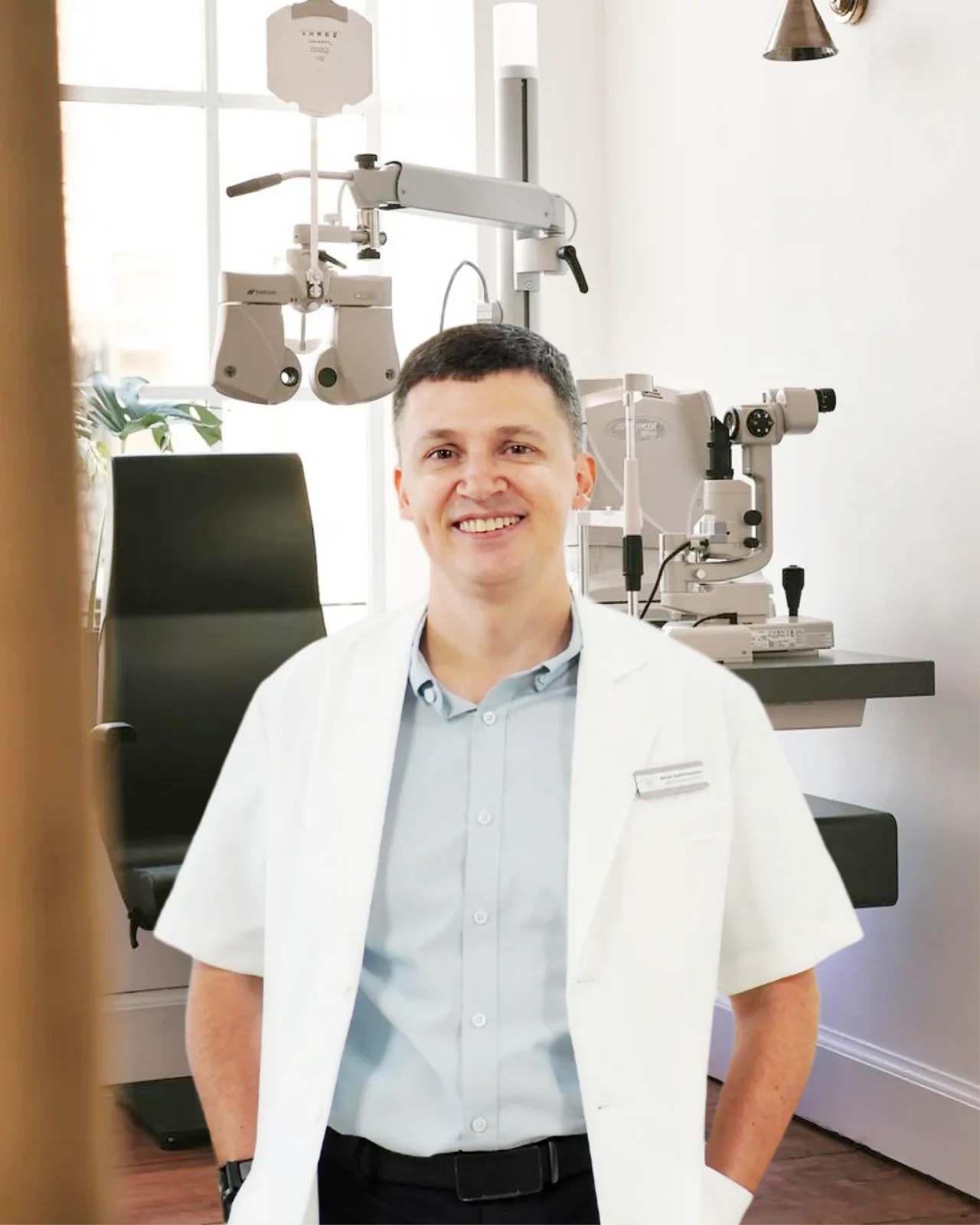
JD Ferwerda 医師, MD
JD Ferwerda 医師, MD: オランダで研鑽を積んだ眼科専門医で、白内障、眼内レンズ交換、網膜疾患、緑内障、加齢黄斑変性を専門としています。
緑内障は、視神経 — 眼から脳へ視覚の信号を運ぶ「ケーブル」 — を傷める眼の病気のまとまりです。障害はゆっくり始まることがあり、何年も気づかれないまま過ぎることがあります。
房水の出口は開いているのに、うまく排出されません。眼圧が高い状態で起こることもあれば、
正常な範囲の眼圧で起こることもあり、後者は正常眼圧緑内障と呼ばれます。
房水の出口の隅角が狭くなりすぎる、あるいは閉じてしまいます。ゆっくり進むこともあれば、急性
閉塞隅角緑内障として突然起こることもあります — これは緊急を要する状態です。
緑内障による障害は元に戻せません。治療でそれ以上の障害を遅らせたり止めたりはできますが、
すでに失われた視力を取り戻すことはできません。早く見つけることが、視力を守る最も良い機会になります。
型と段階は、専門医の検査でしか確かめられません。
開放隅角緑内障では、多くの場合、早い段階で気づくような症状はありません。見え方の変化がはっきりするころには、障害はすでに大きく、元に戻せない段階に進んでいることがあります。早く見つけるためには、定期的な眼の検査が欠かせません。
周辺の見え方が少しずつ失われる
見えない部分ができる、視野が狭くなる
かすむ、もやがかかったように見える
暗いところに慣れにくい
夜間の運転で見えにくい
両側にあるものにぶつかる
突然の強い眼の痛み、充血、かすみや見えにくさ、明かりのまわりのハロー、頭痛、吐き気、あるいは
嘔吐は、急性閉塞隅角緑内障のしるしであることがあります。これは眼の緊急事態です。ただちに医療機関を
受診してください。
緑内障は、ご本人が変化に気づくずっと前から、周辺の見え方を静かに損なっていくことがあります。
眼圧が正常な範囲でも、緑内障は否定できません。診断には視神経、視野、その他の所見の評価も必要です。
次に当てはまる方は、緑内障のスクリーニングをお考えください:
緑内障の家族歴がある方
強度近視がある方
40 歳以上の方
糖尿病がある方
高血圧または血管の病気がある方
眼のけがをしたことがある、またはステロイド(点眼薬・内服薬・吸入薬)を使用したことがある方
アフリカ系、ヒスパニック系、アジア系の方
コンタクトレンズを長期間使用している方
JD Ferwerda 医師, MD: オランダで研鑽を積んだ眼科専門医で、白内障、眼内レンズ交換、網膜疾患、緑内障、加齢黄斑変性を専門としています。
Long-standing high blood pressure can affect the small blood vessels that nourish the optic nerve, and it is recognised as one risk factor for glaucoma — alongside age over 40, a family history, diabetes, strong short-sightedness and raised eye pressure. High blood pressure does not pump pressure directly into the eye; glaucoma is driven mainly by the balance of fluid inside the eye. But if you have high blood pressure, it is worth having your eye pressure and optic nerve checked.
Most glaucoma develops silently. There is usually no pain and no early change in central vision — side (peripheral) vision is lost first and often goes unnoticed until the disease is advanced. This is why regular screening matters. A rarer, sudden form can cause severe eye pain, headache, blurred vision, halos around lights and nausea, and needs urgent care the same day.
Glaucoma cannot be reversed, but in most people it can be controlled. Treatment — eye drops, laser, or surgery — lowers the pressure inside the eye to slow or stop further damage to the optic nerve. Vision already lost cannot be brought back, which is why finding it early makes such a difference.
Glaucoma is not diagnosed from eye pressure alone. A full assessment looks at the pressure inside the eye, the appearance of the optic nerve, a scan of the nerve fibre layer (OCT), a test of your field of vision, and the drainage angle of the eye. Comparing these over time gives the clearest picture.
Screening is worthwhile for anyone over 40, and earlier for those with a family history of glaucoma, diabetes, high blood pressure, strong short-sightedness, a previous eye injury, or long-term steroid use. If any of these apply to you, a baseline check followed by regular monitoring is the safest approach.
Family history is one of the strongest risk factors. Having a parent or sibling with glaucoma raises your own risk several times over. If glaucoma runs in your family, tell your eye doctor and begin regular screening earlier than you otherwise would.