Have you ever wondered if the world of colors you see is truly the same as what others perceive? When you say "green," are you and your friends picturing the exact same shade? For millions of people worldwide, the answer to that question might be no. They are living with color blindness, a vision condition that's more common than you might think and offers a unique perspective on the world.
Color blindness doesn't mean you see the world only in black and white, like an old film. In reality, it's a condition where the ability to distinguish certain colors is impaired. This can affect daily life, from simple tasks like choosing an outfit or recognizing traffic signals, to occupations that demand color precision.
This article will serve as a comprehensive guide to help you understand what color blindness is: its recognizing signs, common causes (both congenital and acquired), frequently encountered types of color blindness, and most importantly, how to adapt and live effectively with this condition. Whether you're wondering about yourself, concerned about a loved one, or simply want to expand your knowledge about the world of vision, join us as we delve deeper into this fascinating topic!

What Is Color Blindness?
When color blindness is mentioned, most of us often immediately imagine a completely colorless world. However, that's a common misconception. In reality, color blindness (also known as color vision deficiency) is a condition where the eyes have difficulty distinguishing certain pairs of colors. The most common confusion occurs between red and green, or blue and yellow. It's extremely rare for someone to experience complete color blindness, meaning they only see the world in monochromatic shades (black, white, gray).
So, why do our eyes see colors?
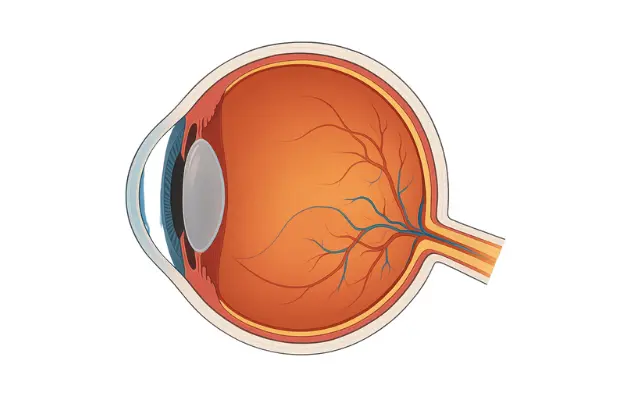
Our ability to perceive colors depends on specialized light-sensitive cells located in the retina, called cone cells (cones). We have three types of cone cells, each sensitive to a different range of light wavelengths: red (L-cone), green (M-cone), and blue (S-cone). When light from an object enters the eye, these cone cells send signals to the brain, which then synthesizes these signals to create our perception of color.
Color blindness occurs when:
One or more of these cone cell types do not function properly, are deficient, or react weakly to light. This results in the brain not receiving complete information, leading to difficulty accurately distinguishing color shades.
The most common types of color blindness include:
- Red-Green Color Blindness: This is the most prevalent form, accounting for about 99% of all color blindness cases. Individuals with this type often struggle to differentiate between red and green; these two colors might appear similar to brown or gray.
- Deuteranomaly (Mild Green Color Blindness): The most common form within this group. Individuals have difficulty distinguishing shades of green.
- Protanomaly (Mild Red Color Blindness): Less common. Individuals have difficulty distinguishing shades of red.
- Deuteranopia (Complete Green Color Blindness): Inability to see green color.
- Protanopia (Complete Red Color Blindness): Inability to see red color.
- Blue-Yellow Color Blindness: A rarer form. Individuals have difficulty distinguishing between blue and green, as well as between yellow and red.
- Tritanomaly (Mild Blue Color Blindness): Difficulty distinguishing blue/green and yellow/red.
- Tritanopia (Complete Blue Color Blindness): Inability to see blue color.
- Complete Color Blindness (Achromatopsia): Very rare. Individuals with this condition see the world only in shades of black, white, and gray. This condition often comes with other vision problems like light sensitivity (photophobia) and significantly reduced visual acuity.
Understanding the different types of color blindness helps us gain a more scientific and empathetic perspective on this condition, paving the way for finding appropriate support solutions.
>> Eye Problems in Children and Genetic Eye Diseases
Causes of Color Blindness
The cause of color blindness is not limited to a single factor. It can stem from inherited genetic factors or from acquired health conditions throughout life. Understanding the causes helps us delve deeper into the mechanism of color vision and how to protect our eyes.
Congenital Color Blindness
Most cases of color blindness are congenital, meaning individuals are born with the condition. The primary cause of congenital color blindness is genetic inheritance. The genes responsible for the cone cells (those that help us perceive colors) are located on the X chromosome.
Why is color blindness more common in males than females?
This explains why color blindness is generally more prevalent in males than females. Males have only one X chromosome (XY), so if the gene on that X chromosome is defective, they will be colorblind. In contrast, females have two X chromosomes (XX). If one X chromosome carries the defective gene, the other X chromosome can compensate, making them merely a carrier without expressing the condition. A female will only be colorblind if both of her X chromosomes carry the defective gene, which is very rare.
- Inheritance Pattern: Red-green color blindness is an X-linked recessive inherited trait.
- If the father is colorblind, his sons will not be colorblind (as they receive the Y chromosome from him). Daughters will be carriers if the mother is not a carrier.
- If the mother is a carrier (not colorblind but carries the defective gene), sons have a 50% chance of being colorblind, and daughters have a 50% chance of being carriers.
- If both parents carry the defective gene (or the father is colorblind and the mother is a carrier), daughters may potentially be colorblind (very rare).
Since it's a congenital condition and genetically determined, inherited color blindness typically remains stable over time and does not tend to worsen or improve. Currently, there is no definitive cure for congenital color blindness, but many supportive solutions are available to help individuals adapt better to life.
Acquired Color Blindness
Beyond genetic factors, color blindness can also develop throughout a person's life due to acquired factors. The causes of acquired color blindness are often related to damage or weakening of the cone cells or optic nerve. This form of color blindness typically affects both eyes but may not be equally severe, and color vision can change over time, potentially even improving if the underlying cause is treated.
Common causes of acquired color blindness include:
- Eye Diseases:
- Glaucoma: Damage to the optic nerve due to high intraocular pressure can affect color discrimination, especially for blue and yellow colors.
- Cataract: A cloudy lens can scatter light and cause blurriness as it enters the eye, making colors appear faded or yellowish/brownish. After cataract surgery, color perception can significantly improve.
- Macular Degeneration: This condition affects the macula – the central part of the retina containing most cone cells, leading to a decline in central vision and color perception.
- Diabetic Retinopathy: Damage to blood vessels in the retina due to diabetes can affect the function of photoreceptor cells.
- Optic Neuritis: Inflammation of the optic nerve due to multiple sclerosis or other conditions can cause reduced color vision.
- Systemic Diseases:
- Alzheimer's and Parkinson's diseases: Some neurodegenerative diseases can affect the brain's ability to process visual color information.
- Sickle Cell Anemia: Can cause damage to small blood vessels in the retina.
- Chronic Alcoholism: Prolonged excessive alcohol consumption can lead to optic nerve damage and affect color vision.
- Medications: Some medications can have side effects that affect color vision:
- Heart medications (e.g., Digoxin)
- Erectile dysfunction medications (e.g., Sildenafil)
- Antibiotics (e.g., Ethambutol)
- Anti-tuberculosis drugs (e.g., Isoniazid)
- Medications for autoimmune diseases (e.g., Hydroxychloroquine)
- Toxic Chemicals: Long-term exposure to certain industrial chemicals like carbon disulfide or styrene can harm color vision.
- Eye or Brain Trauma: Direct injury to the eye or the brain region that processes color vision can lead to localized or total color blindness.
- Aging: The ability to distinguish colors can naturally decline as we age, even without other underlying medical conditions.
Identifying the cause of acquired color blindness is crucial for treatment or management. In many cases, if the underlying cause is addressed promptly (e.g., cataract surgery), color perception can improve.
How to Live with Color Blindness
Although there is currently no cure for congenital color blindness, this doesn't mean that individuals with color blindness cannot lead full and successful lives. There are many effective tips and adaptation strategies to help them overcome challenges and enjoy life to the fullest.
Leveraging Modern Support Technologies
Technology is constantly evolving, bringing many useful tools for colorblind individuals:
- Smartphone applications: There are many apps (e.g., ColorGrab, Color Blind Pal) that help users identify the color of an object by simply pointing their camera at it.
- Specialized color-filtering glasses: Some specific types of glasses can help enhance the distinction between certain colors (usually red and green) by filtering out certain light wavelengths. However, their effectiveness can vary depending on the individual and the specific type of color blindness.
- Digital assistive devices: Modern computer screens and smartphones often have color adjustment modes that are friendly to colorblind individuals, optimizing their viewing experience.
Adapting in Daily Life
Small adjustments in daily routines can make a big difference:
- Memorize positions: For important color-coded items that are in fixed positions (e.g., traffic lights, control buttons on electronic devices), try to memorize their positions rather than relying on color.
- Ask for help: Don't hesitate to ask family or friends for assistance when you need to differentiate colors (e.g., when buying clothes or food). This is a simple and effective approach.
- Use labels or names: Clearly label or write down the color names for items like colored pencils or clothes to make them easier to identify.
- Utilize brightness and shades: Individuals with color blindness often have a better ability to distinguish brightness and shades rather than just colors. For example, they might recognize a ripe apple not by its red color but by its shininess and darker shade compared to an unripe green one.
- Organize systematically: Arrange clothes, spices, and other items by position or shape to easily find them without relying on color.
Choosing Suitable Careers and Hobbies
While color blindness might affect some career choices, it doesn't limit all opportunities:
- Research and preparation: Some professions, such as graphic design, electricians, pilots, or jobs involving electronics or chemicals, often require accurate color perception. Individuals with color blindness should thoroughly research the requirements of each field to make suitable choices.
- Focus on strengths: There are many fields where color distinction is not a key factor. Individuals with color blindness can develop other skills and pursue their passions. In fact, some studies even suggest that colorblind individuals might have better camouflage detection abilities or can distinguish subtle shades in colors (like moss green or earthy tones) that normal-sighted people find difficult to perceive.
Education and Raising Community Awareness
- Share and communicate: Openly sharing about your color blindness with family, friends, and colleagues helps them understand and offer better support.
- Seek community: Joining communities or support groups for colorblind individuals can help them feel less alone, learn from others' experiences, and share their own stories.
Living with color blindness is not a barrier, but an opportunity to develop other senses and skills. With support from technology, community, and understanding from those around them, individuals with color blindness can fully explore and enjoy life in their own unique way.
When Should You Get Your Eyes Checked If You Suspect Color Blindness?
If you or a loved one shows signs of difficulty distinguishing colors, getting an eye exam early is crucial. Whether it's congenital color blindness or acquired, an accurate diagnosis will help you understand your condition and find appropriate support or timely treatment.
You should consult an ophthalmologist if:
- You have difficulty distinguishing colors: This is the clearest sign. You frequently confuse colors, or colors appear different to you compared to others.
- Colors seem faded or less vibrant: You feel your world of colors is less vivid than before or compared to what others describe.
- Sudden change in color perception: This is especially important if your ability to distinguish colors suddenly decreases or changes only in one eye. This could be a sign of an underlying medical condition that requires quick diagnosis and treatment.
- There's a family history of color blindness: If family members have color blindness (especially parents, siblings), your risk of congenital color blindness is higher.
- You're taking a new medication or exposed to chemicals: Some medications or chemicals can affect color vision. If you start experiencing problems after using them, inform your doctor.
- Young children show unusual signs: Young children might not realize they are colorblind. Parents should pay attention if children have difficulty learning colors at school, cannot distinguish colors of toys, or frequently confuse objects of similar colors.
Diagnosing Color Blindness: Methods for Testing Color Vision
The process of diagnosing color blindness is usually simple and painless, performed by an ophthalmologist or optometrist. The main testing methods include:
- Ishihara Color Test: This is the most common test. You will be asked to identify numbers or paths hidden within circular plates made of various colored dots. Individuals with color blindness will find it difficult or impossible to see these numbers/paths because their colors blend with the background.
- Cambridge Colour Test (CCT): A computer-based test where the individual must identify a "C" shape hidden within a background of colored dots. This test can be adjusted to specifically assess different types of color blindness.
- Farnsworth D-15 or Farnsworth Munsell 100 Hue Test: These tests require the individual to arrange color caps or chips in increasing order of hue. They help assess the degree and type of color blindness in more detail, particularly useful for cases of acquired color blindness or for evaluating color vision capabilities for specialized occupations.
After diagnosis, the ophthalmologist will explain your color blindness condition, its severity, and advise on the most suitable supportive solutions. For acquired color blindness, the doctor will also seek and treat the underlying cause of the condition.
Conclusion
Color blindness is part of the diversity in how humans experience the world. It is not a frightening disease, but a special vision condition that needs to be properly understood and supported. From the genetic causes of congenital color blindness to acquired factors from medical conditions or medications, each case has its unique story, requiring appropriate attention.
The most important thing is to get an accurate diagnosis from an ophthalmologist to know the type and extent of your color blindness. Although there is currently no cure for congenital color blindness, with advancements in technology and effective tips and adaptation strategies, individuals with color blindness can confidently live, learn, and work to their fullest potential.
Remember, the world is not only about colors but also about sounds, emotions, and countless rich experiences. The eyes may see colors differently, but the heart can always fully perceive the beauty of life.