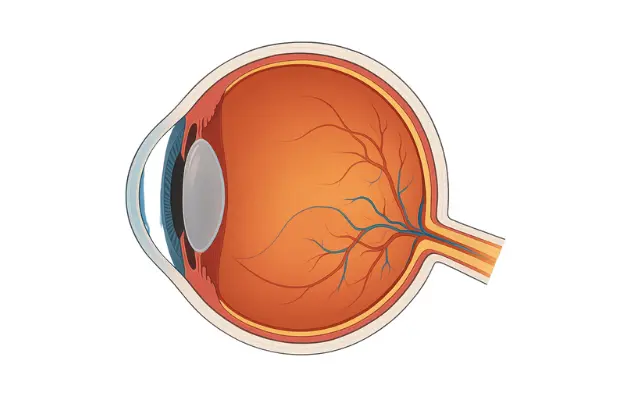
Our eyes, the "windows to the soul", are among the most complex and sensitive organs in the human body. Every day, we use our eyes for work, study, and to enjoy life, from breathtaking moments to the smallest details. However, our eyes are also highly susceptible to injury and various eye conditions. From minor, irritating issues like dry eyes to serious, vision-threatening diseases such as cataracts, glaucoma, and diabetic retinopathy, early recognition and proper management are crucial for protecting our vision.
This article is a comprehensive guide to help you recognize warning signs, understand common eye conditions, and master the steps for safe and effective initial care. We will delve into each type of condition, from those affecting the eye's surface to dangerous diseases within the eyeball, providing you with expert knowledge from eye care professionals. The goal of this article is not just to provide information but to equip you with the skills needed to proactively protect the vision of yourself and your family.
Conditions of the Eye's Surface and Eyelids
These conditions typically affect the outer part of the eye and eyelids. While they can be uncomfortable, they are generally less of a threat to vision if diagnosed and treated promptly.
Conjunctivitis (Pink Eye)
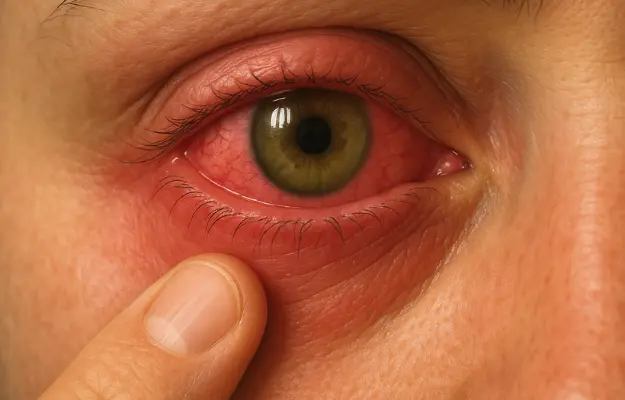
Conjunctivitis is one of the most common eye conditions, causing red, gritty, and itchy eyes. The disease can spread very quickly, especially in group settings like schools.
Causes and Classifications
-
- Viral: This is the most common cause, especially Adenovirus. It often accompanies cold and sore throat symptoms. The disease is highly contagious through direct or indirect contact.
- Bacterial: Usually caused by Staphylococci or Streptococci. The eye produces a yellow or green pus-like discharge, which can cause eyelids to stick together in the morning.
- Allergic: Caused by allergens such as pollen, dust, or pet dander. It is typically accompanied by intense itching.
Detailed Symptoms
-
- Red Eyes: The whites of the eyes turn red or pink due to swelling and dilation of blood vessels in the conjunctiva.
- Discharge: Depending on the cause, the discharge can be clear (viral, allergic) or colored and thick (bacterial).
- Itching and Grittiness: A sensation of having sand or a foreign object in the eye, which is very uncomfortable.
- Swollen Eyelids: Eyelids appear puffy and heavy.
- Light Sensitivity and temporary blurred vision.
Management and Prevention
-
- Maintain Strict Hygiene: Wash hands frequently with soap, and avoid rubbing your eyes. Use a separate towel and pillow.
- Use Eye Drops: For viral conjunctivitis, there is no specific cure; artificial tears are primarily used to soothe symptoms. For bacterial infections, a doctor will prescribe antibiotic eye drops. For allergic reactions, avoid the allergen and use anti-allergy eye drops as prescribed.
- Isolation: Infected individuals should avoid close contact with others to prevent spreading the disease.
Dry Eye Syndrome
Dry eye syndrome occurs when the eyes don't produce enough tears to stay lubricated, or the tears are of poor quality. This is a prevalent issue among office workers and the elderly.
Underlying Causes
-
- Insufficient Tear Production: The lacrimal glands don't produce enough tears due to aging or autoimmune diseases (like Sjogren's syndrome).
- Rapid Tear Evaporation: The Meibomian glands (oil glands in the eyelids) are blocked, which reduces the oil layer in the tear film.
- Environment: Air conditioning, fans, dry air, and pollution.
- Habits: Prolonged computer use, wearing contact lenses, or infrequent blinking.
Detailed Symptoms
-
- A dry, burning, or gritty sensation, like sand in the eyes.
- Red, light-sensitive, and blurry eyes, especially after prolonged work.
- Paradoxically, the eyes may water excessively to compensate for the dryness.
Management and Care
-
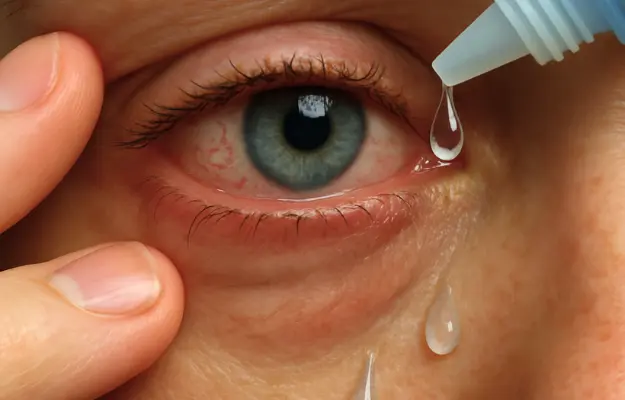
- Use Artificial Tears: Use them regularly to keep the eyes moist. Opt for preservative-free drops if using them multiple times a day.
- Modify Work Habits: Follow the 20-20-20 rule (every 20 minutes of work, look 20 feet away for 20 seconds) and blink frequently.
- Nutrition: Supplementing with Omega-3 from salmon, flaxseed, or fish oil can improve the quality of the Meibomian gland secretions.
- Meibomian Gland Care: Daily eyelid hygiene and warm compresses can help unblock the glands.
Stye and Chalazion
Styes and chalazions are small lumps or bumps that appear on the eyelids, causing pain and discomfort.
Causes and Distinction
-
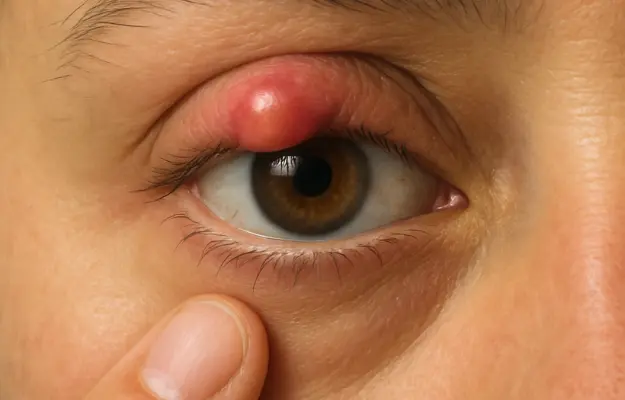
- Stye (Hordeolum): Caused by an acute bacterial infection (usually Staphylococci) of an oil gland or eyelash follicle. A stye is an acute, red, and painful inflammation.
- Chalazion: Caused by a chronic blockage of an oil gland. A chalazion is a hard, painless lump that forms as the gland's secretions calcify.
Detailed Symptoms
-
- Stye: A red, hot, painful, swollen lump on the eyelid, similar to a pimple. It may have a white or yellow center.
- Chalazion: A hard, round, painless lump deep within the eyelid. It might initially be slightly swollen but then becomes a hard knot.
Management
-
- Warm Compresses: This is the most effective method for both styes and chalazions. Use a clean cloth soaked in warm water (about 45°C) and apply it to the eyelid for 10-15 minutes, 3-4 times a day, to soften the lump and encourage it to drain.
- Maintain Hygiene: Absolutely do not squeeze a stye or chalazion, as this can spread the infection. Keep the eyelids clean.
- Medical Intervention: If the condition doesn't improve, see a doctor for prescription eye drops or ointment. In the case of a large or persistent chalazion, a doctor may need to surgically incise and drain it.
Conditions of the Lens and Retina
These are more serious conditions that can directly affect vision and require diagnosis and treatment by eye care professionals.
Cataracts
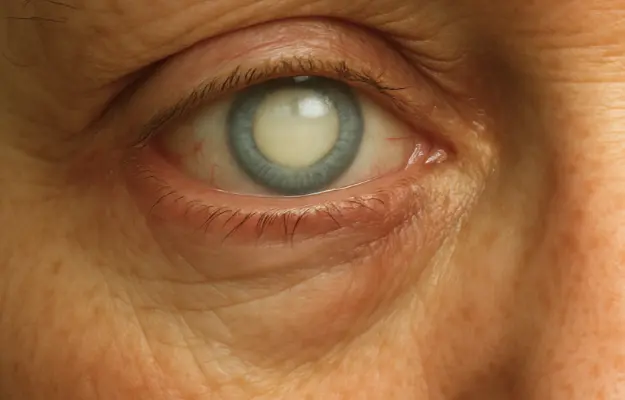
Cataracts are a condition where the eye's natural lens becomes cloudy, causing a reduction in vision. It is the leading cause of preventable blindness worldwide.
Causes and Risk Factors
-
- Aging: The primary cause. After age 40, proteins in the lens begin to clump together, gradually clouding vision.
- Medical Conditions: Diabetes, hypertension.
- Eye Injury or previous eye surgery.
- Prolonged UV exposure.
- Smoking, long-term steroid use.
Detailed Symptoms
-
- Cloudy, blurred vision: A sensation of looking through a foggy window, especially in bright sunlight.
- Light Sensitivity and Glare: Light from the sun or headlights at night becomes blinding.
- Seeing Halos: Seeing halos or rings around lights at night.
- Faded Colors: Colors appear less vibrant than before.
- Secondary Myopia: A rapid increase in nearsightedness due to changes in the lens.
Management
-
- Surgery: This is the only and most effective method for cataract treatment. A surgeon will remove the cloudy lens (often using the Phacoemulsification technique) and replace it with an artificial intraocular lens.
Diabetic Retinopathy
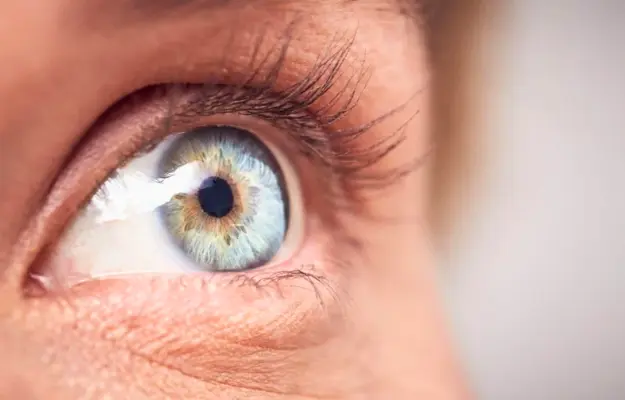
This is a dangerous complication of diabetes that damages the small blood vessels in the retina. If left uncontrolled, diabetic retinopathy can lead to permanent vision loss.
Cause
High blood sugar levels over a long period damage the retinal blood vessels. These vessels may leak fluid and swell (early stage) or become blocked, stimulating the body to grow new, abnormal blood vessels that are fragile and prone to bleeding (advanced stage).
Detailed Symptoms
-
- Early Stage: Often asymptomatic. This is why people with diabetes need regular eye exams.
- Advanced Stage: Symptoms appear suddenly. You may see dark spots, blurry streaks, or floating specks in your vision (due to vitreous hemorrhage). Vision becomes blurry, and there may be a sudden loss of vision.
Management
-
- Blood Sugar Control: This is the most crucial step to prevent and slow the progression of the disease.
- Laser Photocoagulation: Using a laser to burn and seal off abnormal blood vessels, preventing bleeding.
- Intraocular Injections: Injecting anti-VEGF medication to reduce swelling and prevent hemorrhage.
- Vitrectomy Surgery: Surgery to remove the vitreous gel in cases of severe retinal bleeding or retinal detachment.
Conditions of the Optic Nerve and Intraocular Pressure
These are silent but extremely dangerous diseases that can lead to permanent vision loss if not detected and treated early.
Glaucoma
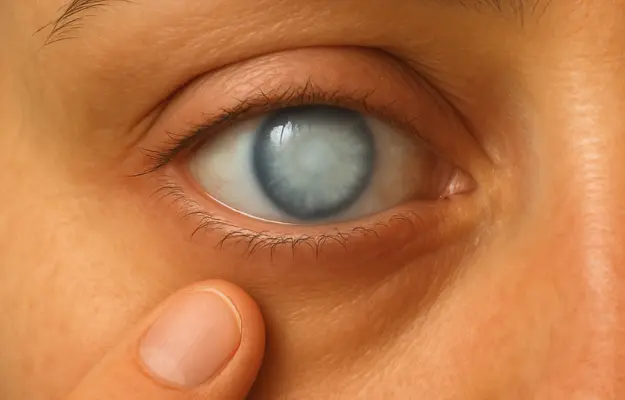
Glaucoma is a group of diseases that damage the optic nerve, often associated with high intraocular pressure. It is nicknamed the "silent thief of sight" because it often has no obvious symptoms in its early stages.
Cause
Intraocular pressure increases due to an imbalance between the production and drainage of aqueous humor (the fluid inside the eye).
Detailed Symptoms
-
- Open-Angle Glaucoma (most common): Usually has no clear symptoms. The disease progresses slowly, causing a gradual loss of peripheral vision. The patient may only realize it when vision has been significantly compromised.
- Angle-Closure Glaucoma (acute attack): Occurs suddenly and severely. Symptoms include intense eye pain, redness, sudden blurred vision, headache, and may be accompanied by nausea and vomiting. This is a medical emergency.
Management
-
- Eye Drops: This is the first-line treatment to lower intraocular pressure.
- Laser Surgery: To widen the drainage angle or reduce aqueous humor production.
- Filtration Surgery: To create a new drainage channel for the eye.
- Recommendation: Regular eye exams are the only way to detect glaucoma early. People over 40 and those with a family history should have their eyes checked frequently.
Age-Related Macular Degeneration (AMD)
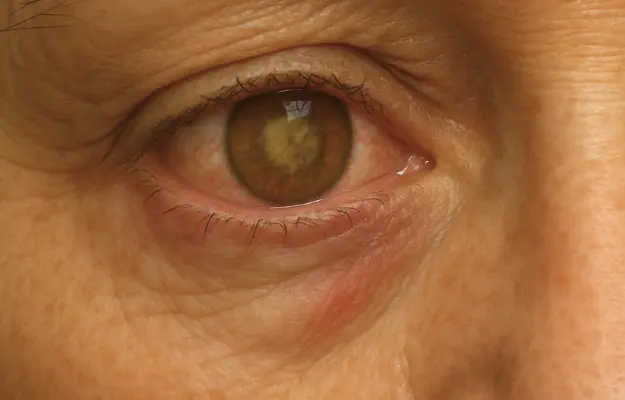
Macular degeneration is a leading cause of central vision loss in older adults.
Cause
Aging causes damage to the macula (the part of the retina responsible for sharp, central vision).
Detailed Symptoms
-
- Blurred, distorted vision: Straight lines may appear wavy or crooked.
- Difficulty with detailed tasks: Trouble reading, recognizing faces, or performing fine-motor tasks.
- A blind spot: A dark, blurry, or white-out spot appears in the center of the visual field.
Management
-
- Dry AMD (more common): Currently, there is no definitive cure. Supplementing with vitamins and minerals (AREDS formulation) can slow the disease's progression.
- Wet AMD (more severe): Can be treated with intraocular injections (Anti-VEGF) or laser therapy to stop the growth of abnormal blood vessels.
>> Read more: Common Retinal Diseases and Effective Prevention Methods
Eye Care and Prevention Guidelines
Prevention is better than cure. Here are some useful tips to protect your eyes every day.
Regular Eye Exams
This is the most important tip. Regular eye exams every 6-12 months help doctors detect eye conditions early, even before you experience any noticeable symptoms.
Healthy Diet
- Eat foods rich in vitamins A, C, E, zinc, lutein, and zeaxanthin. These nutrients are abundant in salmon, carrots, dark leafy greens (spinach, kale), eggs, and berries.
Protect Your Eyes from the Environment
- Wear UV-blocking sunglasses when outdoors.
- Use safety goggles when working in environments with dust or chemicals.
- Use a humidifier to reduce dry eye symptoms.
Eye Care for Computer Users
- Follow the 20-20-20 rule: Every 20 minutes of work, look at something 20 feet away for 20 seconds.
- Blink frequently.
- Adjust screen brightness to a comfortable level, avoiding screens that are too bright or too dark.
Conclusion
Common eye conditions can range from mild to very serious. Being equipped with the knowledge to recognize early signs, combined with maintaining a healthy lifestyle and having regular eye exams, are the most effective measures to protect your eyes. Be proactive in caring for your "windows to the soul" starting today for clear, lasting vision.