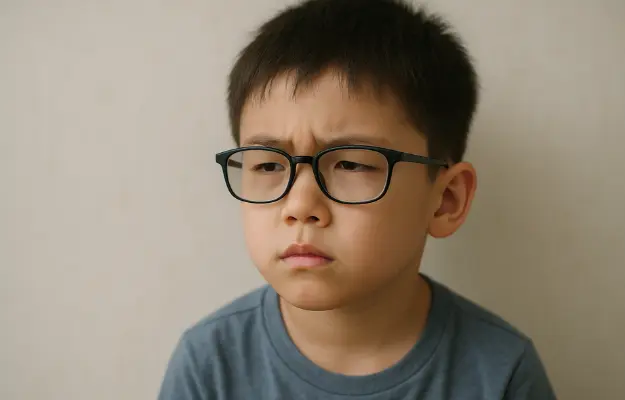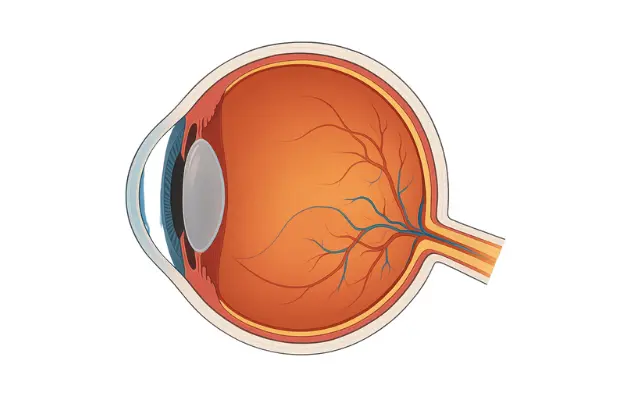
For children, learning is primarily a visual process. From reading textbooks and writing on whiteboards to playing sports and interacting with peers, good vision is fundamental to almost every aspect of a child's development and academic success. In fact, studies suggest that up to 80% of what children learn in school is presented visually. Yet, many parents might overlook the subtle signs of vision problems that could be hindering their child's ability to learn and thrive.
This article will explore the critical link between vision and learning, identify common vision issues in children, highlight the crucial signs to watch for, and provide actionable steps to ensure your child's eyes are healthy enough to support their educational journey.
The Critical Link Between Vision and Learning
Beyond simply seeing clearly at a distance, effective learning requires a complex set of visual skills. These include:
- Visual Acuity: The ability to see clearly at all distances.
- Eye Focusing: The ability to maintain clear vision as the distance to an object changes (e.g., looking from a book to the board).
- Eye Teaming: The ability of both eyes to work together smoothly and accurately.
- Eye Tracking: The ability to follow a line of text or a moving object smoothly.
- Visual Perception: The ability to interpret and understand what is seen.
When any of these visual skills are compromised, a child's learning process can be significantly impacted, leading to frustration, lower academic performance, and even behavioral challenges.
Common Vision Problems That Affect Learning
Many vision problems can affect children's learning, and often, children may not even realize their vision isn't normal because they have no reference point.
- Nearsightedness (Myopia): Difficulty seeing distant objects clearly. This can make it hard for a child to see the whiteboard, presentations, or participate in outdoor activities.
- Farsightedness (Hyperopia): Difficulty focusing on close-up objects. While a child might compensate for mild farsightedness, moderate to severe cases can lead to eye strain, fatigue, and headaches during reading or close work.
- Astigmatism: Blurred vision at all distances due to an irregularly shaped cornea. This can cause distorted or shadowed images, making reading and recognizing shapes challenging.
- Amblyopia (Lazy Eye): Reduced vision in one eye because the eye and brain aren't working together effectively. If untreated, it can lead to permanent vision loss in the weaker eye.
- Strabismus (Crossed Eyes): Misalignment of the eyes. This can lead to double vision or the brain suppressing the image from one eye, affecting depth perception and visual tracking.
- Eye Teaming or Focusing Issues: Even with 20/20 vision, a child might struggle with eye coordination or maintaining focus. This can make reading difficult and cause eye strain.
>> Ortho-K: Taking Control of Your Child's Myopia
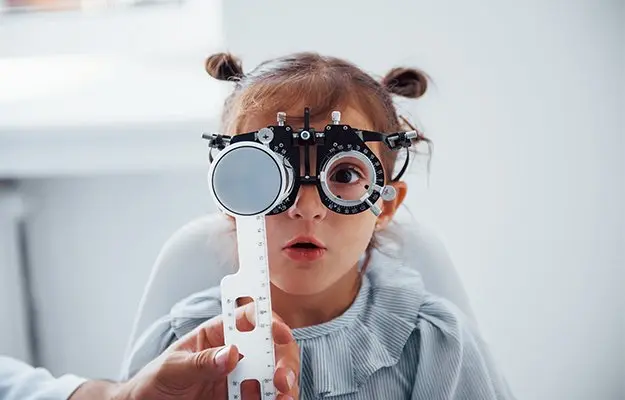
Signs Your Child Might Have a Vision Problem
Parents, teachers, and caregivers play a vital role in identifying potential vision problems. Be on the lookout for these physical and behavioral cues:
Physical Signs:
- Frequent eye rubbing or blinking excessively.
- Squinting or tilting the head to see better.
- Holding books or objects very close to the face.
- Sitting too close to the television or computer screen.
- Chronic eye redness, watering, or crusting of the eyelids.
- Complaints of headaches, eye strain, or blurred vision.
- One eye turning in or out (strabismus).
Behavioral Signs in School:
- Avoiding reading or other close-up tasks.
- Losing their place frequently while reading or using a finger to guide their eyes.
- Having a short attention span, especially during visually demanding tasks.
- Difficulty with hand-eye coordination (e.g., catching a ball, writing neatly).
- Struggling to copy from the whiteboard.
- Poor academic performance despite effort.
- Frustration or irritability during schoolwork.
- Reversing letters or numbers (e.g., 'b' for 'd').
Impact on Academic Performance and Behavior
Uncorrected vision problems can profoundly impact a child's academic journey:
- Poor Grades: Difficulty seeing, focusing, or tracking can lead to missed information, poor comprehension, and consequently, lower grades.
- Behavioral Issues: Children struggling with vision might become restless, distracted, or avoid classroom activities that require good eyesight. This can sometimes be mistaken for attention-deficit disorders (ADD/ADHD) or learning disabilities.
- Decreased Confidence: Repeated academic struggles due to an unaddressed vision issue can lower a child's self-esteem and enthusiasm for school.
- Learning Delays: The foundational skills of reading and writing are heavily reliant on vision. Uncorrected problems can create significant learning gaps.
>> Eyeglasses, Ortho-K, or Refractive Surgery: Which Is the Optimal Choice for Myopia?
How to Support Your Child's Vision and Learning
Protecting your child's eye health and ensuring their vision supports their learning is a proactive process.
- Schedule Regular Comprehensive Eye Exams: This is the most crucial step. A pediatrician's screening is not enough. A comprehensive eye exam by an optometrist or ophthalmologist can detect a wide range of vision problems that might go unnoticed otherwise. Children should have their first eye exam by 6 months, again at age 3, before starting school, and then annually or as recommended by their eye doctor.
- Ensure Proper Lighting and Ergonomics for Study: Provide good, ample lighting when your child is reading or doing homework. Encourage good posture and ensure their workspace is organized to minimize eye strain. The distance between the child's eyes and their reading material should be comfortable (approximately arm's length).
- Limit Screen Time and Practice the 20-20-20 Rule: Excessive screen time can contribute to eye strain and potentially accelerate myopia progression. Encourage your child to take a 20-second break every 20 minutes to look at something 20 feet away.
- Promote Outdoor Play: Spending time outdoors, especially in natural light, has been shown to reduce the risk and progression of myopia in children. Aim for at least 1-2 hours of outdoor activity daily.
- Encourage a Balanced Diet: A diet rich in fruits, vegetables (especially leafy greens), and omega-3 fatty acids supports overall eye health. Nutrients like Vitamin A, C, E, Zinc, and Lutein are particularly beneficial.
>> Modern Eye Examination and Diagnostic Methods
Conclusion
Your child's vision is an indispensable tool for learning, discovery, and development. Unidentified and untreated vision problems can create significant barriers to their academic success and overall well-being. By staying vigilant for warning signs, scheduling regular comprehensive eye exams, and fostering healthy eye habits, you empower your child to reach their full potential. Prioritize their eye health today for a brighter future tomorrow.