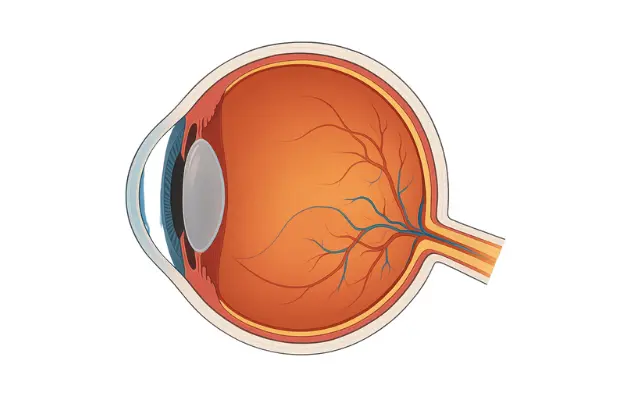
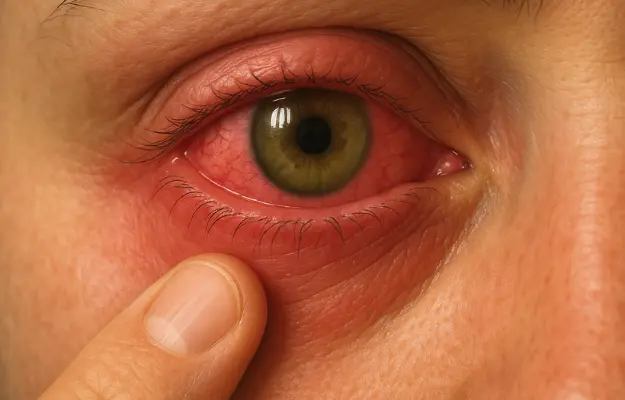
Do you often experience blurry vision, images stretched or distorted, especially at night? Or do you have to squint to see things clearly, whether near or far? Chances are, you might be dealing with astigmatism – a very common refractive error that directly affects your ability to see clearly and sharply.
Though not acutely dangerous, if astigmatism is not detected early and effectively treated, it can lead to many inconveniences in daily life, study, work, and even cause eye strain, headaches, and significant vision loss. Having a solid understanding of what astigmatism is, its causes, common symptoms of astigmatism, and modern astigmatism treatment methods is crucial for you to proactively protect your "windows to the soul."
This article will serve as a comprehensive guide to astigmatism, leading you to explore every aspect of this refractive error. We will delve into its basic definition, how to recognize signs of astigmatism, its causative factors, and accurate astigmatism diagnosis procedures. Specifically, the article will provide in-depth information on the most effective astigmatism treatment options available today – from eyeglasses, contact lenses to advanced surgical methods, as well as advice on how to manage astigmatism at home. Finally, you will know exactly when to consult an eye specialist to ensure your eyes remain as healthy and clear as possible.
What Is Astigmatism?
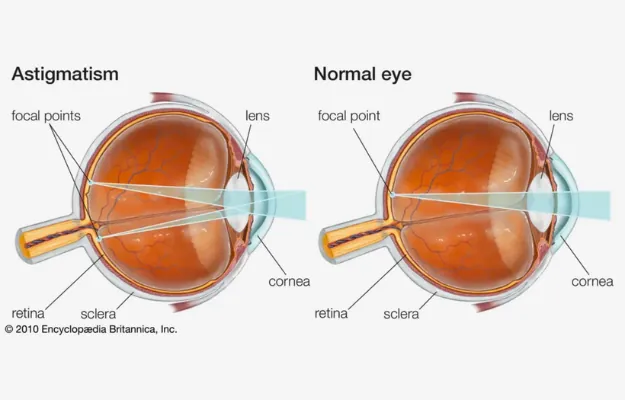
Astigmatism is one of the most common refractive errors of the eye, often coexisting with nearsightedness (myopia) or farsightedness (hyperopia). Essentially, astigmatism occurs when the cornea (the transparent front surface of the eye) or the lens (the transparent structure inside the eye) is not perfectly spherical but curved differently in various directions, much like a football instead of a perfectly round ball.
In a normal eye, the cornea and lens have uniform curvature, which helps light rays converge precisely at a single point on the retina, creating a sharp image. However, in an eye with astigmatism, light entering the eye is refracted unevenly, causing it to focus at multiple points on the retina, or not to focus at all, leading to:
- Blurry or distorted vision, lacking sharpness, whether you are looking at objects far away or up close.
- Images appearing stretched, distorted, or having ghosting/shadows in a specific direction (e.g., blurred letters horizontally, curved straight lines).
- Difficulty seeing small details clearly or distinguishing parallel lines.
Astigmatism can exist independently or in combination with myopia (myopic astigmatism) or hyperopia (hyperopic astigmatism). The degree of astigmatism is measured in Diopters and ranges from mild to severe. Most cases of astigmatism are congenital or develop early in childhood.
Causes of Astigmatism
Astigmatism primarily arises from irregularities in the shape of the cornea or lens. So, what are the most common causes of astigmatism that you should be aware of?
- Congenital astigmatism: This is the most common cause of astigmatism. Many people are born with an irregularly shaped cornea or lens. The degree of this astigmatism usually remains quite stable over time.
- Genetic factors: If your family has a history of astigmatism (parents, siblings), your likelihood of developing this refractive error will be higher.
- Eye injury: Severe eye injuries or eye surgeries (e.g., cataract surgery) can alter the shape of the cornea, leading to new astigmatism or increasing existing astigmatism.
- Eye diseases:
- Keratoconus: A rare but serious condition that causes the cornea to progressively thin and bulge into a cone shape, resulting in irregular and worsening astigmatism.
- Corneal scarring: Scars from infections or eye injuries can also alter the curvature of the cornea.
- Pressure on the eye: Although not a primary cause, constantly squinting or excessively rubbing the eyes for prolonged periods might contribute to minor changes in corneal curvature.
Understanding the causes of astigmatism helps us realize that most cases are related to congenital structures or medical conditions, rather than daily habits as many people mistakenly believe.
Recognizing Signs of Astigmatism
Early recognition of astigmatism symptoms is extremely important for timely intervention, preventing impacts on quality of life and long-term vision. Here are the most common symptoms of astigmatism you should pay attention to:
- Blurry or distorted vision: This is the most characteristic astigmatism symptom. You might see images that are not sharp, appear blurred, or are stretched/ghosted in a particular direction (e.g., letters blurred horizontally, straight lines appearing curved).
- Difficulty with night vision: Astigmatism often causes significant vision reduction in low-light conditions. You might see halos, streaks of light around streetlights, or struggle to read road signs at night.
- Frequent squinting: To try and see more clearly, individuals with astigmatism often tend to squint. While this is a natural reflex, prolonged squinting can cause eye strain and headaches.
- Eye strain and headaches: The eyes having to over-accommodate to compensate for astigmatism leads to feelings of eye fatigue, tension, and headaches (often in the forehead or temples).
- Difficulty reading small print or complex details: You might find it challenging to read books, work on a computer, or perform tasks requiring precision.
- Light sensitivity (glare): Some individuals with astigmatism may feel discomfort or glare when exposed to bright light.
When to be concerned and seek an eye specialist?
- When you or your child exhibit any of the signs of astigmatism mentioned above, especially persistent blurriness affecting daily activities.
- If children frequently squint, tilt their head when looking, or experience unexplained decline in academic performance.
- When you experience persistent headaches and eye strain without a clear reason.
- If your vision suddenly deteriorates or changes significantly.
Regular eye exams, especially for children, are the best way to detect astigmatism early and treat it, helping to preserve vision long-term.
>> Read more: What is Presbyopia? A Comprehensive Guide to Causes, Symptoms, and Modern Treatment Solutions

Diagnosing Astigmatism: Examination Process and Eye Test Methods
To accurately determine if you have astigmatism and its degree, a comprehensive eye examination at a reputable ophthalmology clinic is essential. The astigmatism diagnosis process typically includes the following precise tests:
- General examination and medical history: The doctor will begin by asking about the astigmatism symptoms you are experiencing, your personal and family medical history (especially eye-related issues), as well as any medications you are taking.
- Visual Acuity Test: This is a basic test to assess your vision at different distances, usually by reading letters or symbols on an eye chart (e.g., Snellen chart).
- Refraction Test: This is the core method for determining refractive errors, including astigmatism. The doctor will use an autorefractor or a phoropter. You will be asked to look through various lenses and provide feedback to find the optimal combination that helps you see clearest.
- Corneal Curvature Measurement (Keratometry or Corneal Topography):
- Keratometry: This device measures the curvature of the cornea at its main meridians, helping to determine the degree and axis of corneal astigmatism.
- Corneal Topography: This is a more advanced method that creates a detailed colored map of the corneal surface. It is very useful in detecting irregular forms of astigmatism or underlying corneal conditions like keratoconus.
- Examination of the lens and other eye structures: The doctor may use a slit lamp to thoroughly examine the lens, retina, and other parts of the eye to rule out conditions that could cause or worsen astigmatism.
Based on the comprehensive results of these tests, the ophthalmologist will provide an accurate astigmatism diagnosis (including the type, degree, and axis of astigmatism) and recommend the most suitable and effective astigmatism treatment method.
Effective Astigmatism Treatment Methods Today
Can astigmatism be cured? The answer is definitely YES. With remarkable advancements in modern medicine, there are many effective astigmatism treatment methods that significantly improve vision, even leading to nearly perfect sharp vision. These methods are categorized into two main groups: non-surgical astigmatism treatment (using corrective lenses) and surgical astigmatism treatment.
Eyeglasses and Contact Lenses for Astigmatism
These are common and non-invasive vision correction methods, suitable for most mild to moderate cases of astigmatism.
- Eyeglasses: Eyeglasses for people with astigmatism have cylindrical or toric lenses specifically designed to compensate for the irregular curvature of the cornea or lens. This is a simple, safe, and highly effective option to help people with astigmatism see clearly and comfortably. Modern eyeglasses now come with various advanced materials and coatings (anti-glare, UV protection, blue light filtering) to optimize the viewing experience.
- Contact Lenses: Thanks to technological advancements, many types of contact lenses are specifically designed for people with astigmatism, called Toric contact lenses. Toric contact lenses are engineered to maintain a stable orientation on the eye, ensuring accurate light refraction. Contact lenses offer aesthetic advantages and a wider field of vision compared to eyeglasses. However, their use and cleaning require meticulous adherence to procedures to avoid the risk of eye infections.
Key advantages of eyeglasses and contact lenses: Non-invasive, safe, and easy to adjust/change as the degree of astigmatism changes over time.
Astigmatism Surgery
For those who wish to eliminate reliance on eyeglasses or contact lenses, astigmatism surgery is an advanced and highly effective option. The most common surgical methods today include:
- LASIK Surgery (Laser-Assisted In Situ Keratomileusis): This is the most popular and widely known method for treating refractive errors like astigmatism, myopia, and hyperopia. The surgeon uses an excimer laser to precisely reshape the cornea, helping light focus correctly on the retina. LASIK has several variations, such as Femto-LASIK (using a laser to create the corneal flap), which enhances the safety and precision of the surgery.
- PRK Surgery (Photorefractive Keratectomy): Similar to LASIK, PRK also uses an excimer laser to reshape the cornea. The difference is that PRK directly removes the surface epithelial layer of the cornea instead of creating a flap. Recovery time after PRK might be slightly longer than LASIK, but the final visual outcome is usually comparable. PRK is often preferred for individuals with thin corneas or those not suitable for LASIK.
- SMILE Surgery (Small Incision Lenticule Extraction): This is a new generation laser surgical method, significantly less invasive than LASIK and PRK. The surgeon makes only a very small incision on the cornea (about 2-4mm) and removes a thin lens-shaped tissue layer from within the cornea to change its refractive shape. SMILE offers advantages such as less dry eye and faster recovery time.
- Implantable Collamer Lens (ICL) Surgery: For cases of severe astigmatism or those not suitable for laser surgical methods due to very thin corneas or very high refractive errors, ICL is an excellent option. The surgeon implants a thin, soft lens inside the eye (either in front of or behind the iris), which corrects the refractive error without removing corneal tissue.
Important note: The choice of the most suitable astigmatism surgical method depends on many factors such as the current degree of astigmatism, overall eye health, corneal thickness, and the patient's specific desires. You need to be thoroughly examined by an eye specialist and receive in-depth consultation to make the optimal decision.
Astigmatism Care and Management at Home
Whether you are correcting astigmatism with glasses or have undergone surgery, proper eye care and managing astigmatism at home play an extremely important role in maintaining healthy vision and preventing other eye problems.
- Strictly follow doctor's instructions: If you wear eyeglasses or contact lenses, ensure you wear the correct prescription and wear them properly. With contact lenses, absolutely adhere to cleaning procedures and replacement schedules to avoid the risk of eye infections.
- Wear glasses at the right time: Always wear your glasses as prescribed by your doctor, especially when performing activities that require clear vision (such as studying, working on a computer, driving). Wearing incorrect prescriptions or not wearing them sufficiently can cause your eyes to over-accommodate, leading to eye strain and headaches.
- Ensure adequate lighting: Study and work in conditions with sufficient, evenly distributed light, avoiding light that is too bright or too dim, to reduce eye strain.
- Practice the 20-20-20 rule when using electronic devices: Every 20 minutes of screen time, look at something 20 feet (about 6 meters) away for 20 seconds. This helps your eyes relax and significantly reduces digital eye strain.
- Supplement eye nutrition: Prioritize foods rich in vitamins A, C, E, zinc, and Omega-3 (such as salmon, dark leafy greens, carrots, eggs) to support overall eye health and better astigmatism management.
- Limit eye rubbing habits: Frequent and vigorous eye rubbing can cause corneal damage or worsen astigmatism (especially in cases of keratoconus).
- Regular eye exams: Even if you have had surgery or feel your vision is stable, regular eye exams (at least every 6 months - 1 year) are extremely important. The doctor will check your refractive error, overall eye health, and detect any potential issues early.
When to Consult an Eye Specialist for Astigmatism?
Although astigmatism can be well-managed with glasses or surgery, there are instances when you need to seek urgent or prompt intervention from an ophthalmologist.
You should consult an eye specialist immediately if:
- Your vision suddenly deteriorates rapidly: Experiencing sudden blurriness that does not improve even after blinking.
- Severe eye pain, discomfort, accompanied by persistent eye redness.
- Appearance of halos, flashes of light, or unusual black spots in your field of vision.
- After eye surgery, your vision does not improve or there are unusual signs (pain, swelling, redness, discharge).
- Astigmatism in children shows signs of rapid worsening or the child exhibits excessive squinting or head tilting when looking.
- You have never had an eye exam and are experiencing clear astigmatism symptoms.
- You are wearing glasses or contact lenses, but your vision is not improving, or you still experience blurriness or persistent eye strain.
- You want to learn more about advanced astigmatism treatment methods such as LASIK, SMILE, or ICL surgery.
Timely consultation will help your doctor accurately diagnose your eye condition, rule out other serious illnesses, and provide the most optimal astigmatism treatment plan, ensuring the safety and long-term health of your eyes.
Conclusion
Astigmatism is a common refractive error but can be effectively managed with modern astigmatism treatment methods. Arming yourself with accurate knowledge about what astigmatism is, its causes, symptoms of astigmatism, and effective astigmatism treatment is the key to proactively protecting your eyes.
Don't let astigmatism affect your quality of life. Get regular eye exams, follow your doctor's instructions regarding wearing corrective lenses, or consider appropriate surgical options. Additionally, maintaining good eye care habits and managing astigmatism at home will help keep your eyes healthy and minimize potential issues.
By applying this knowledge, you will not only achieve the best possible vision but also maintain your confidence and enjoy life more fully. Cherish and take good care of your eyes, for they are the windows to your soul and precious tools for exploring the world around you!