Your eyes are often called the windows to your soul, but sometimes they "speak up" through uncomfortable signs like swollen eyelids. A swollen eye or eyelid edema isn't just cosmetically unappealing; it can also be a warning sign of an underlying health issue. So, what causes your eye to swell, and how can you effectively treat this condition?
This article from European Eye Center will give you a comprehensive overview of swollen eyes, from common causes to home remedies and when you need to seek professional help from an ophthalmologist.
What is a Swollen Eye and Why Do Eyelids Swell?
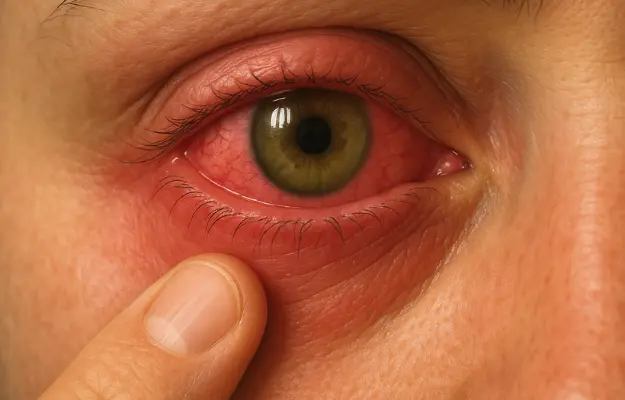
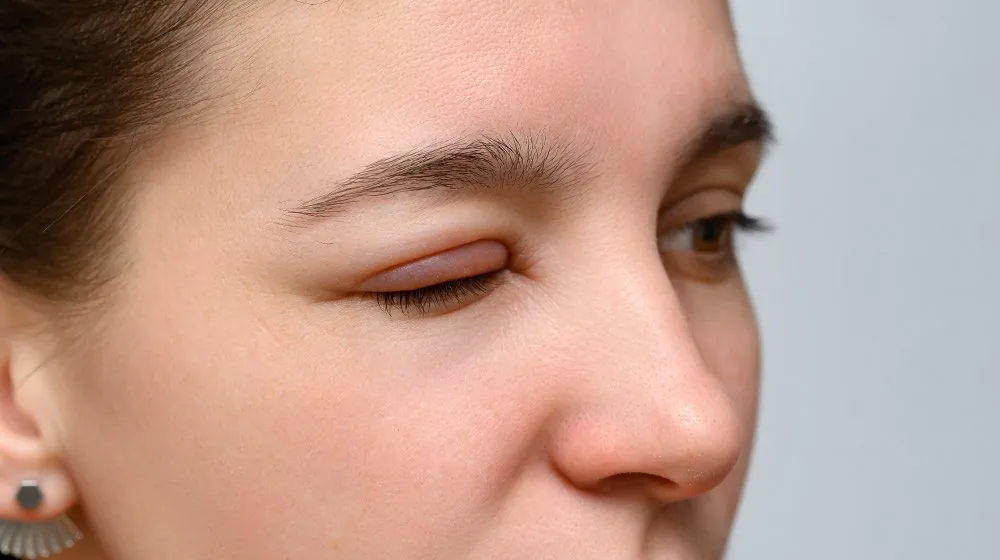
Swollen eye is a condition where the eyelid becomes inflamed or accumulates fluid in the soft connective tissues around your eye. This makes the eyelid (upper or lower) appear puffy, red, and sometimes accompanied by itching, burning, or discomfort.
Essentially, a swollen eye is a response from your immune system when your body is dealing with an irritant, infection, allergy, or injury. The degree of swelling can range from mild, causing only temporary discomfort, to severe, significantly impacting vision and daily activities.
Common Causes of Swollen Eyes
Understanding the cause is key to effective treatment for a swollen eye. Here are the most common reasons why your eyelids might swell:
1. Allergies
This is the most frequent cause of swollen eyelids. When your eyes come into contact with allergens like pollen, pet dander, dust, smoke, or certain cosmetics and eye drops, your immune system releases histamines. Histamines cause tiny blood vessels in the eyes to dilate, leading to swelling, redness, itching, and watery eyes.
- Symptoms: Swelling in both eyes (often symmetrical), intense itching, watery discharge, redness, and possibly other allergy symptoms like sneezing or a runny nose.
2. Pink Eye (Conjunctivitis)
Conjunctivitis is an inflammation of the transparent membrane that lines the inside of your eyelids and covers the white part of your eye. It can be caused by viruses, bacteria, or allergens.
- Symptoms: Redness, discharge (crusty or watery), a gritty sensation like sand in the eye, itching, and eyelid swelling (often one or both eyes, but may start in one eye first).
3. Stye
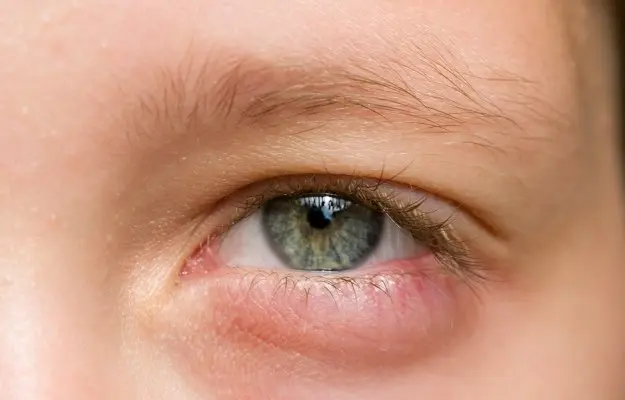
A stye is a small, red, painful lump, often pus-filled, that appears on the edge of the eyelid due to an infection of an oil gland at the base of an eyelash.
- Symptoms: A localized, red, painful lump on the eyelid margin, usually affecting only one eye and a small portion of the eyelid.
4. Chalazion
A chalazion is a painless, round lump, usually located further back on the eyelid than a stye. It forms when an oil gland in the eyelid becomes completely blocked. A chalazion might start as a stye but then evolve into a non-infectious cyst.
- Symptoms: A firm, painless lump on or within the eyelid, which may cause slight overall eyelid swelling if the chalazion is large.
5. Eye Injury
Any blunt trauma, rubbing, or injury to the eye area can cause swelling due to inflammatory response and blood pooling.
- Symptoms: Noticeable swelling immediately after the injury, possibly accompanied by bruising, pain, and reduced vision if the injury is severe.
6. Other Causes
- Blepharitis: Chronic inflammation of the eyelid margins, causing redness, itching, swelling, and flaking.
- Orbital Cellulitis: A severe infection of the tissues around the eye, which is an emergency condition requiring immediate treatment. It causes severe swelling, redness, pain, fever, and can affect vision.
- Excessive Crying: Leads to temporary eye swelling due to fluid retention.
- Lack of Sleep/Fatigue: Can cause dark circles and mild eyelid puffiness.
- High Salt Intake: Can lead to overall fluid retention, potentially resulting in swollen eyes.
- Thyroid Conditions: Certain conditions like Graves' disease can cause bulging eyes and eyelid swelling.
>> A Guide to Identifying and Managing Common Eye Diseases
How to Treat a Swollen Eye
The treatment for a swollen eye depends on its underlying cause.
1. Home Remedies (For Mild Swelling)
If your eye swelling is mild and not accompanied by other severe symptoms, you can try some of these home remedies to reduce swelling and discomfort:
- Cold Compress: Place a cold compress (or a clean cloth soaked in cold water) on the swollen eyelid for about 10-15 minutes, repeating several times a day. The cold helps constrict blood vessels and reduce swelling.
- Chilled Teabags: Used green or black tea bags (ensure they are cool and have been chilled in the refrigerator) can help reduce swelling due to tannins, which have anti-inflammatory properties. Place the teabags on your eyelids for 10-15 minutes.
- Avoid Contact Lenses: If you have a swollen eye, absolutely do not wear contact lenses. Switch to glasses until your eye is fully recovered to prevent infection or worsening the condition.
- Avoid Rubbing Your Eyes: Rubbing your eyes can aggravate swelling and inflammation.
- Gentle Eye Wash: Use saline solution or a specialized eye wash to remove irritants.
- Get Enough Sleep & Elevate Your Head: Adequate rest helps your eyes recover. Elevating your head slightly with an extra pillow while sleeping can help reduce fluid accumulation around the eyes.
- Limit Salt Intake: Reduce the amount of salt in your diet to prevent fluid retention.

2. When to Seek Professional Ophthalmic Care?
In some cases, a swollen eye can be a sign of a more serious condition that requires immediate medical attention. You should consult an ophthalmologist if:
- Swelling lasts more than 24-48 hours and does not improve with home remedies.
- Severe pain or aching in the eye.
- Vision is affected: Sudden blurred vision, double vision, partial vision loss.
- Swelling spreads to other areas of the face.
- Abnormal bulging of the eye.
- Inability to open the eye fully.
- Fever, chills, or other systemic symptoms.
- Pus or discharge coming from the eye.
- Suspected foreign object in the eye or a serious injury.
3. Professional Ophthalmic Treatments
At an eye clinic, after a thorough examination and diagnosis, your doctor will recommend an appropriate treatment plan:
- Antihistamines: For allergic eye swelling, your doctor may prescribe antihistamine eye drops or oral medication to reduce the allergic reaction. In severe cases, steroid eye drops might also be prescribed.
- Antibiotics/Antivirals: If the swelling is due to an infection (bacterial conjunctivitis, stye, orbital cellulitis), your doctor will prescribe antibiotic eye drops, ointments, or oral antibiotics. For viral infections (like ocular herpes), antiviral medication will be used.
- Stye/Chalazion Treatment:
- Stye: Your doctor may advise more frequent warm compresses. If the stye doesn't resolve or causes significant pain, incision and drainage of pus might be necessary.
- Chalazion: Warm compresses are also the initial approach. If the chalazion is large, persistent, and bothersome, your doctor might recommend a steroid injection or minor surgical removal.
- Surgery (in rare cases): For severe cases like widespread orbital cellulitis or complex injuries, surgery may be necessary.
Preventing Swollen Eyes
Some simple preventive measures can help you avoid swollen eyes:
- Eye Hygiene: Wash your face and eyelids daily, especially after being outdoors.
- Avoid Rubbing Your Eyes: Eye rubbing is a bad habit that can introduce bacteria and cause damage.
- Limit Exposure to Allergens: If you know you have allergies, avoid known triggers.
- Proper Contact Lens Care: Strictly follow the cleaning and replacement schedule for your contact lenses.
- Thorough Eye Makeup Removal: Always remove all eye makeup thoroughly before bed to prevent oil gland blockages.
Conclusion
Swollen eye is a common symptom with various causes. While many cases resolve on their own or improve with home remedies, it's crucial to recognize warning signs that necessitate timely medical attention. Don't be complacent about your eye health.