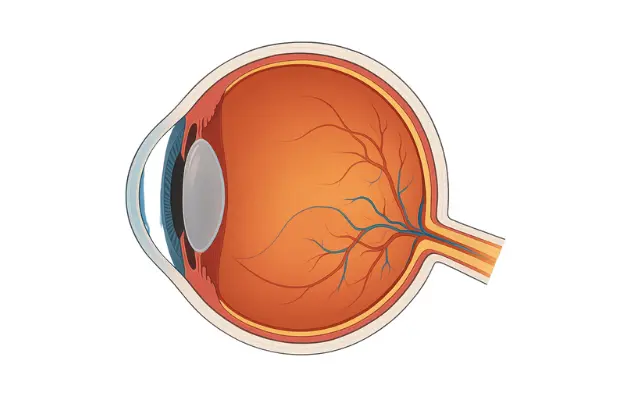
In our digital age, myopia (nearsightedness) has become a prevalent vision issue, causing significant daily inconvenience and impacting quality of life. Fortunately, modern medicine offers numerous effective solutions to treat myopia and manage myopia progression. These range from traditional methods like eyeglasses, non-invasive solutions like Ortho-K contact lenses, to advanced techniques such as refractive surgery (LASIK, SMILE, PRK). So, what's the best choice for individuals with myopia? This article will delve into each method, helping you understand their pros and cons to make an informed decision for your eyes.
What is Myopia? Why Early Treatment Matters
Myopia, commonly known as nearsightedness, is a refractive error where you can see close objects clearly but distant objects appear blurry. This condition occurs when the eyeball is too long or the cornea is too curved, causing light to focus in front of the retina instead of directly on it. If left uncorrected or untreated, myopia doesn't just cause daily inconvenience; it can also progress significantly, especially in children. High myopia (severe nearsightedness) further increases the risk of serious eye conditions later in life, such as retinal detachment and macular degeneration.
Myopia treatment aims not only to temporarily improve vision but also to slow down myopia progression and enhance long-term quality of life. There are currently three main categories of solutions: corrective eyewear, non-surgical myopia management, and permanent surgical correction.

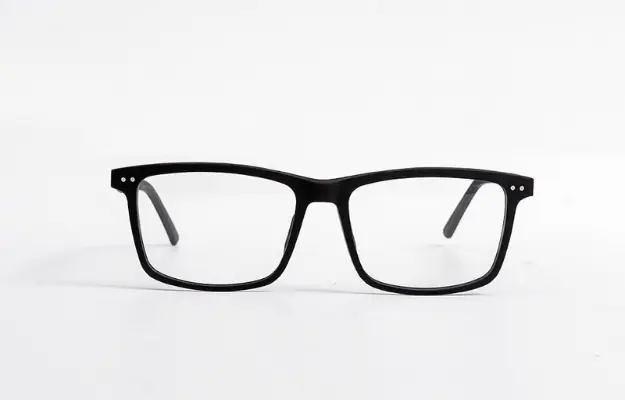
2. Eyeglasses: A Traditional and Convenient Myopia Treatment
Eyeglasses are the most common and longest-standing method for correcting myopic vision. They work by using concave lenses to diverge light before it enters the eye, helping it focus correctly on the retina, thus providing clear vision while worn.
Pros and Cons of Eyeglasses:
Pros:
-
- Simple to use: Eyeglasses don't require direct contact with the eye, making them easy to put on and take off.
- High safety: There's virtually no risk of infection or severe eye complications directly related to wearing eyeglasses (barring physical injury).
- Low initial cost: Compared to other methods, the initial cost of purchasing eyeglasses is often the most affordable.
- Easy to change: You can easily update your prescription as your vision changes over time.
- Protection: Eyeglasses offer a physical barrier for your eyes against dust, wind, and UV rays (if the lenses have UV protection).
Cons:
-
- Aesthetic limitations: Wearing eyeglasses can alter one's appearance and may not always align with personal preferences or certain professions.
- Inconvenience: Lenses can fog up with temperature changes, limit peripheral vision, are prone to falling or breaking, and can be cumbersome during vigorous sports activities.
- No myopia control: Eyeglasses only improve vision but do not have the ability to slow down myopia progression, which is particularly important for growing children.
- Dependence: Users are entirely dependent on their eyeglasses to see clearly in daily life.
Eyeglasses are a safe, convenient, and traditional choice for those seeking a simple solution without invasive eye procedures, prioritizing a lower initial cost.
Ortho-K Contact Lenses: Non-Invasive Myopia Management
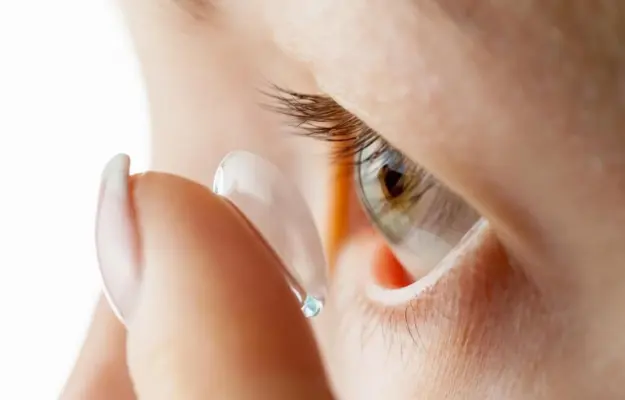
Ortho-K (Orthokeratology lenses) is a revolutionary non-surgical method for myopia management, particularly favored for slowing down myopia progression in children and adolescents. Ortho-K lenses are specially designed rigid gas permeable contact lenses worn overnight while sleeping.
How Ortho-K Works:
While you sleep, Ortho-K lenses gently reshape the front surface of your cornea. When you remove the lenses in the morning, your cornea temporarily retains this new shape, allowing light to focus correctly on the retina. This provides clear vision throughout the day without the need for eyeglasses or daytime contact lenses. This effect is temporary and must be maintained by wearing Ortho-K lenses every night (or every other night as prescribed by your eye doctor).
Pros and Cons of Ortho-K Lenses:
Pros:
-
- Clear vision without daytime correction: This is the most significant benefit, offering ultimate freedom and convenience for sports, swimming, and professions requiring natural, uncorrected vision.
- Effective myopia control: Numerous studies have shown that Ortho-K can slow down myopia progression in children by 30-60%, reducing the risk of high myopia in the future.
- Non-invasive and reversible: Being a non-surgical method, you can completely stop using the lenses, and your cornea will gradually return to its original shape.
- Suitable for children: It's an excellent option for children with myopia and teenagers who want to avoid wearing eyeglasses or are not yet old enough for refractive surgery.
- High safety: When properly fitted, used, and cleaned under the guidance of an Ortho-K specialist, the risk of complications is very low.
Cons:
-
- Strict adherence required: Users must wear lenses consistently every night and follow a rigorous Ortho-K lens cleaning regimen to prevent eye infections.
- Initial and ongoing costs: The cost of purchasing and maintaining Ortho-K lenses is generally higher than eyeglasses.
- Not permanent: The vision correction effect lasts only for the day and requires continuous nightly use to maintain.
- Limited prescription range: Most effective for mild to moderate myopia (optimally under -6.00 Diopters and low astigmatism).
- Risk of infection: Though low with proper hygiene, there's still a risk of eye infection if lenses are not cared for correctly.
Ortho-K is an excellent choice for myopia control in children and adults who desire clear vision during the day without glasses and prefer a non-surgical option.
Refractive Surgery: A Permanent Myopia Solution
Refractive surgery refers to a group of medical procedures designed to permanently correct myopia by reshaping the cornea or implanting intraocular lenses. The most common myopia surgery methods include LASIK, SMILE, and PRK.
Common Refractive Surgery Methods:
LASIK (Laser-Assisted In Situ Keratomileusis) Surgery
- Mechanism: A surgeon creates a thin, hinged flap on the corneal surface using a microkeratome blade or a femtosecond laser. This flap is then lifted to allow an excimer laser to reshape the underlying corneal tissue. Finally, the flap is carefully repositioned without the need for stitches.
- Pros: Rapid vision recovery, minimal pain, and significant vision improvement often within 24 hours post-surgery.
- Cons: Involves creating a corneal flap, which can lead to issues like dry eyes after LASIK, glare, and halos at night. It may not be suitable for individuals with very thin corneas or extremely high myopia.
SMILE (Small Incision Lenticule Extraction) Surgery
- Mechanism: This method uses a femtosecond laser to create a small, lens-shaped piece of tissue (lenticule) inside the intact cornea. This lenticule is then removed through a tiny (2-4mm) incision, eliminating the need for a corneal flap.
- Pros: No corneal flap created, potentially reducing the risk of dry eyes compared to LASIK, a very small incision, and ideal for individuals with an active lifestyle or who play sports.
- Cons: Generally higher cost than LASIK, may not correct high astigmatism as effectively as LASIK, and not all eye centers offer this technology.
PRK (Photorefractive Keratectomy) Surgery
- Mechanism: The surgeon removes the outermost layer of the cornea (epithelium). Then, an excimer laser directly reshapes the underlying corneal tissue. The epithelial layer naturally regenerates over several days.
- Pros: No corneal flap created, making it suitable for individuals with thin corneas or severe dry eye. It's considered safer for professions with a higher risk of eye trauma (e.g., military personnel, contact sports athletes).
- Cons: Longer recovery time and can cause pain or discomfort for a few days post-surgery. Vision stabilization is slower compared to LASIK and SMILE.
General Pros and Cons of Refractive Surgery:
General Pros:
-
- Permanent correction: Corrects myopia long-term, providing freedom from eyeglasses or contact lenses.
- High aesthetic appeal: Offers confidence and comfort with natural, uncorrected vision.
- Convenience: Frees individuals from all the inconveniences associated with wearing corrective lenses in daily life.
General Cons:
-
- Invasive: It is a surgical medical procedure.
- High cost: The initial cost of surgery is relatively high.
- Risk of complications: Though rare, risks include prolonged dry eyes, glare, halos, infection, or vision results not meeting expectations.
- Irreversible: The outcome is permanent, and the original corneal shape cannot be fully restored.
- Strict requirements: Only suitable for individuals over 18 years old with a stable prescription for at least 6 months to 1 year.
- Not suitable for all cases: Certain eye conditions (very thin corneas, underlying eye diseases, pregnancy/breastfeeding) are contraindications for myopia surgery.
Refractive surgery is an excellent choice for adults who want to eliminate their dependence on corrective lenses and meet the necessary eye health requirements.
Detailed Comparison: Eyeglasses, Ortho-K, and Refractive Surgery
To help you visualize and make an informed decision, the table below summarizes the key differences between the three main myopia treatment methods:
|
Criterion |
Eyeglasses |
Ortho-K Contact Lenses |
Refractive Surgery (LASIK/SMILE/PRK) |
|
Nature |
External vision correction device. |
Temporary corneal reshaping contact lens. |
Permanent alteration of corneal structure/lens implant. |
|
Invasiveness |
Non-invasive. |
Non-invasive (direct eye contact). |
Invasive (surgical procedure). |
|
Reversibility |
Fully reversible (remove glasses). |
Fully reversible (discontinue lens wear). |
Irreversible (permanent). |
|
Usage Time |
Daytime. |
Nighttime (while sleeping). |
One-time procedure. |
|
Effectiveness |
Immediate, when worn. |
All day (after lens removal). |
Permanent (or very long-lasting). |
|
Myopia Control |
None. |
Yes (highly effective in children). |
None (only corrects existing myopia). |
|
Prescription Range |
Very broad (most prescriptions). |
Mild to moderate (optimal under -6.00 Diopters). |
Broad, depends on method and eye condition. |
|
Cost |
Low (initial). |
Medium to high (initial and ongoing maintenance). |
High (one-time). |
|
Risks |
Low (mainly due to physical injury). |
Low (if hygiene followed), risk of infection. |
Low (surgical complications, dry eye). |
|
Convenience |
Low (lifestyle limitations, aesthetics). |
High (no daytime glasses needed). |
Very high (no glasses needed). |
|
Recovery Time |
None. |
None (clear vision immediately after removal). |
Fast (LASIK/SMILE), slower (PRK). |
|
Suitable For |
All ages, all prescriptions, budget-friendly. |
Children/teens for myopia control, adults wanting daytime freedom without surgery. |
Adults (>18), stable prescription, desiring permanent solution. |
Expert Advice: How to Choose the Optimal Method?
Choosing the optimal myopia treatment method is a personal decision, dependent on various factors:
- Age and myopia status: Children and adolescents should prioritize Ortho-K for myopia control. Adults with a stable prescription may consider surgery.
- Myopia and astigmatism levels: Some methods have limitations regarding the prescription and astigmatism levels they can effectively treat.
- Lifestyle and profession: Athletes, outdoor enthusiasts, or those in specific professions (e.g., police, military, pilots) might prefer Ortho-K or laser eye surgery to be free from glasses.
- Budget: The cost of myopia surgery and the ongoing maintenance costs of each method should be carefully considered.
- Overall eye health: Is the cornea thick enough? Are there any underlying eye conditions? These are crucial factors determining surgical eligibility.
- Risk tolerance: Every method carries certain risks, which should be understood and accepted.
- Personal expectations: What do you hope to achieve after treatment? A temporary or permanent solution? Complete glasses-free vision or just reduced dependence?
Most importantly: It is highly recommended to schedule a comprehensive eye examination at a reputable eye center. An ophthalmologist will thoroughly assess your eye health, take detailed corneal measurements, and provide personalized advice, helping you understand the pros and cons of each method best suited for you.
>> Read more: 20/20 Vision: The Gold Standard for Sight and How to Achieve Healthy Eyes
Frequently Asked Questions About Myopia Treatment Options (FAQ)
Ortho-K is very safe when prescribed, guided, and monitored by an eye specialist, and when users strictly adhere to the lens cleaning and care routine. The risk of eye infection is very low but not non-existent if hygiene is poor.
Refractive surgery permanently reshapes the cornea. However, in very rare cases, a small portion of myopia might return after many years (regression), especially if the initial prescription was very high or the eye continues to grow (in younger individuals). Having a stable prescription for at least 6 months to 1 year before surgery is crucial to minimize this risk.
Absolutely. Switching between methods depends on the eye condition and personal preference. However, before refractive surgery, it's necessary to stop wearing contact lenses (including Ortho-K) for a certain period (usually several weeks) to allow the cornea to return to its natural shape, ensuring the most accurate surgical outcome.
During the surgery, the eye will be numbed with eye drops, so no pain will be felt. After surgery, depending on the method (PRK might cause more discomfort than LASIK/SMILE), you might experience mild discomfort, grittiness, or watery eyes for a few hours to a few days, but this can be managed with pain relievers and eye drops.
Yes, Ortho-K is suitable for adults who desire clear vision without wearing eyeglasses or daytime contact lenses, especially those who are not eligible for or do not wish to undergo myopia surgery. However, the myopia control effect of Ortho-K will no longer be significant in adults as their prescription is typically stable.
The best way is to schedule a comprehensive eye examination at a reputable eye center. An ophthalmologist will fully assess eye health, take detailed corneal measurements, and provide personalized advice based on individual needs and conditions.
Conclusion
Choosing between eyeglasses, Ortho-K lenses, and refractive surgery is a significant decision that directly impacts your vision quality and lifestyle. Each myopia treatment method has its own unique advantages and disadvantages, suitable for different individuals and needs.
- If you seek simplicity, safety, and a low initial cost, eyeglasses are the traditional choice.
- If you are a child/teenager looking for myopia control, or an adult desiring daytime freedom from glasses without surgery, Ortho-K is an ideal solution.
- If you are an adult with a stable prescription and desire a permanent solution to be free from corrective lenses, refractive surgery is a worthy consideration.
Always heed the advice of eye care professionals and undergo regular eye check-ups to ensure your eyes remain healthy and have the best possible vision.