Are you dealing with an annoying, red, and painful lump on your eyelid? That could very well be a stye – a common eye infection that, while usually not serious, can cause significant discomfort and affect your appearance. Understanding what a stye is, its common causes of styes, typical stye symptoms, and the most effective stye treatments is key to quickly getting rid of them and protecting your eyes.
This article serves as a comprehensive guide to styes. We'll help you distinguish a stye from a chalazion (two often-confused conditions), identify the underlying causes, recognize the signs of a stye for early detection, and explore stye treatment methods ranging from home remedies to professional medical interventions. Crucially, we'll share effective stye prevention tips to help keep your eyes healthy.
What is a Stye? Distinguishing a Stye from a Chalazion
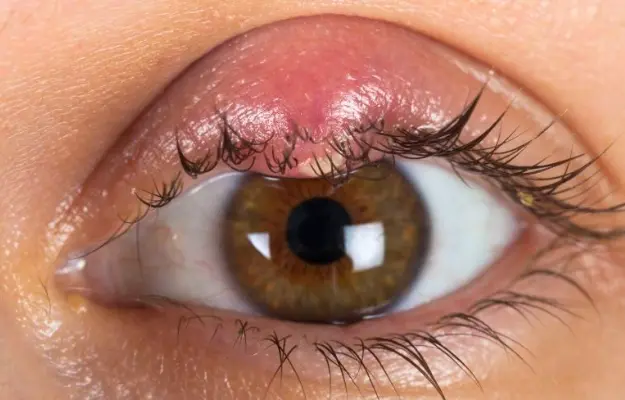
A stye (hordeolum) is an acute inflammation caused by a bacterial infection in the oil glands or eyelash follicles on the eyelid. A stye typically appears as a red, painful, and tender lump that may contain pus, resembling a small pimple. Styes can develop on the edge of the eyelid (external stye) or inside the eyelid (internal stye).
Key characteristics to help you recognize a stye:
- Location: Usually on the edge of the eyelid, at the base of an eyelash (external stye), or inside the eyelid (internal stye).
- Nature: Painful, swollen, red, and very sensitive to the touch. Often, a small yellowish or whitish spot (pus head) may appear at the center.
- Size: Can range from very small to the size of a pea.
- Onset: Develops suddenly and progresses rapidly within a few days.
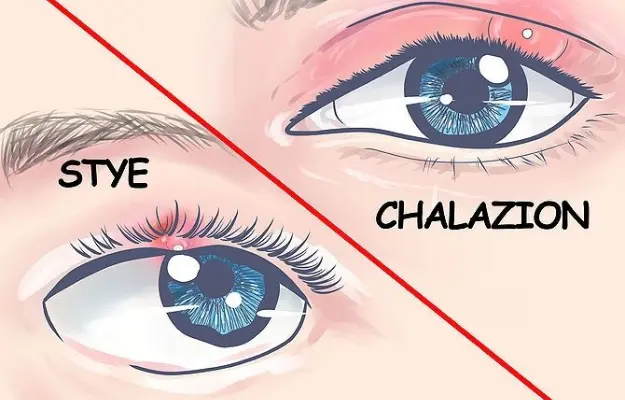
Distinguishing a stye from a chalazion:
|
Characteristic |
Stye (Hordeolum) |
Chalazion |
|
Cause |
Acute bacterial infection (often Staphylococcus). |
Blocked Meibomian oil gland (non-infectious inflammation). |
|
Location |
Eyelid margin or just inside the eyelid. |
Deeper inside the eyelid, further from the lash line. |
|
Pain |
Very painful, swollen, and distinctly tender. |
Mildly painful initially, then often painless to the touch. |
|
Onset |
Sudden, acute onset. |
Slow, gradual development over days to weeks. |
|
Pus |
Often has a visible pus head. |
Usually no pus. |
Clearly distinguishing between a stye and a chalazion is important for applying the appropriate treatment.
Causes of Styes
Styes primarily result from bacterial infection, most commonly by Staphylococcus aureus, which invades the oil glands or eyelash follicles on the eyelid. So, what factors create the conditions for these causes of styes to emerge?
- Poor Eye Hygiene: This is a leading cause of styes. Accumulated dirt, excess oil, and dead skin cells on the eyelids, or inadequate eye makeup removal, can block oil glands and create an environment for bacteria to thrive.
- Touching Eyes with Unclean Hands: The habit of rubbing eyes or touching them with unwashed hands is a common way to transfer bacteria from hands to eyes, leading to infection.
- Using Expired or Unsanitary Eye Cosmetics: Old eyeliner, mascara, eyeshadow, or dirty makeup applicators can harbor bacteria, leading to blocked or infected eyelid glands.
- Blepharitis: This chronic inflammation of the eyelid margins significantly increases the risk of gland blockage and infection, making you more prone to styes.
- Improper Contact Lens Use: Not washing hands before inserting/removing lenses, or not replacing lenses/solution regularly, can lead to eye infections.
- Certain Health Conditions: Individuals with diabetes, seborrheic dermatitis, or weakened immune systems may be more susceptible to styes due to a reduced ability to fight off infections.
- Hormonal Changes: Fluctuations in hormones can affect the activity of oil glands, increasing the risk of blockages.
Understanding these causes of styes helps you proactively prevent them and limit recurrence.
Recognizing Styes
Early recognition of stye symptoms is crucial for prompt treatment, helping the stye heal quickly and avoiding complications. Here are the most common signs of a stye you should look out for:
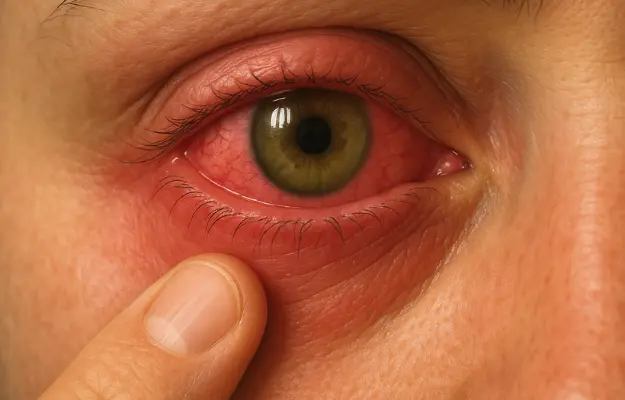
- Red, Painful Swelling: This is the clearest sign of a stye. A red, tender, and painful lump appears on the eyelid margin or inside the eyelid. The pain may increase when touched or when blinking.
- Eyelid Swelling and Burning Sensation: The eyelid area around the stye may become swollen, red, and feel warm or burning.
- Watery Eyes: Your eye might produce more tears than usual due to irritation.
- Light Sensitivity (Glare): You may feel uncomfortable looking at bright lights.
- Gritty or Foreign Body Sensation: A feeling as if something is in your eye, especially if the stye is located inside the eyelid.
- Pus Head Formation: After a few days, a small yellowish or whitish spot (pus head) may appear at the center of the stye. This indicates pus formation.
>> Swollen Eye: Causes, Treatments, and When to See a Doctor
When to be concerned and consult a doctor:
- If the stye doesn't improve after 1-2 weeks of diligent home treatment.
- If the stye swells rapidly, becomes very painful, or starts affecting your vision (e.g., blurry vision, difficulty opening the eye).
- If the redness and swelling spread across the entire eyelid, or even to other parts of your face, accompanied by fever.
- If the stye recurs frequently in the same location or appears continuously.
- If the stye causes eyelid deformity or unusual bleeding.
If you experience any of these warning signs, you should consult an ophthalmologist immediately for proper diagnosis and stye treatment.
How to Treat a Stye at Home
Most small to medium-sized styes can resolve on their own or significantly improve with simple, safe, and highly effective stye home treatment methods. The primary goals are to reduce inflammation, alleviate pain, and encourage natural pus drainage.
- Warm Compress: This is the most crucial and effective stye home treatment. Warmth helps to soften the crusts, liquefy the pus inside, reduce pain, and promote drainage.
- How to apply: Dampen a clean, soft cloth or sterile gauze pad with warm water (around 40-45°C), wring out excess water, and apply it directly to the affected eyelid.
- Duration & Frequency: Hold for 10-15 minutes per session. Repeat 3-4 times daily, or more frequently if comfortable.
- Note: Always use a fresh, clean cloth for each application. Ensure the water temperature is comfortably warm, not scalding, for your delicate eyelid skin.
- Gentle Massage: After applying a warm compress, use a clean fingertip to gently massage the stye area on the eyelid for about 1-2 minutes. This can help to gently push the liquefied pus outwards.
- Maintain Eye Hygiene: Always wash your hands thoroughly with soap before and after touching your eyes or the stye. Gently clean the eye area with a clean cloth or sterile cotton pad soaked in saline solution.
- DO NOT Squeeze or Pop the Stye: This is critically important. Attempting to squeeze or pop a stye can spread the infection, cause more severe eye damage, or lead to scarring. Let the stye drain naturally.
- Limit Eye Makeup Use: While treating a stye, avoid using any eye cosmetics (eyeliner, mascara, eyeshadow) to prevent further blockage or contamination.
- Avoid Contact Lenses: Wear eyeglasses instead until the stye has completely healed to prevent infection or worsening the condition.
Consistent application of these stye home remedies will help the stye quickly shrink and recover.
>> Read more: A Guide to Identifying and Managing Common Eye Diseases
When is Medical Intervention Needed? Professional Stye Treatment Methods
While many styes can resolve on their own or respond well to home remedies, there are times when you need to seek intervention from an ophthalmologist. Recognizing the signs of a stye that require medical attention is crucial to avoid complications.
You should see an eye specialist immediately if:
- The stye does not improve or worsens after 1-2 weeks of diligent home treatment.
- The stye swells rapidly, becomes extremely painful, or affects your vision (e.g., blurry vision, difficulty opening the eye).
- The redness and swelling spread across the entire eyelid, or even to the face, accompanied by fever or swollen lymph nodes.
- The stye recurs frequently in the same location or appears continuously.
- The stye causes eyelid deformity, scarring, or unusual bleeding.
- You have underlying medical conditions such as diabetes or a weakened immune system, which can impair your body's ability to fight infection.
Professional stye treatment methods:
- Antibiotics: The doctor may prescribe antibiotic eye drops or ointment to apply directly to the stye to help control the infection. In cases of severe or spreading infection, oral antibiotics may be prescribed.
- Corticosteroid Injection: If the stye is a large, non-draining lump and doesn't respond to other methods, the doctor might inject a small amount of corticosteroid into the stye to reduce inflammation and swelling.
- Surgical Incision and Drainage: This minor procedure is performed when the stye forms a large, painful pus pocket that does not drain spontaneously. The doctor will administer a local anesthetic and make a small incision to drain the pus. This procedure is usually quick and effective, providing immediate symptom relief. Post-procedure, antibiotic eye drops may be prescribed to prevent re-infection.
Never self-medicate or attempt medical procedures at home without a doctor's guidance.
Effective Stye Prevention
Preventing styes is the best way to avoid the discomfort they bring. Adopting effective stye prevention tips not only helps protect your eyes but also maintains the overall health of your "windows to the soul."
- Wash Hands Frequently: Always wash your hands thoroughly with soap and warm water (for at least 20 seconds) before touching your eyes, inserting/removing contact lenses, or applying anything to your face.
- Avoid Rubbing Your Eyes: Minimize the habit of rubbing your eyes, especially when your hands are not clean.
- Daily Eyelid Hygiene: Use a clean, warm washcloth or a specialized eyelid cleanser to gently wipe your eyelid margins and lash lines daily, especially in the morning and evening. This helps remove excess oil, dirt, and dead skin cells, preventing gland blockages.
- Thorough Eye Makeup Removal Every Night: Ensure all mascara, eyeliner, and eyeshadow are completely removed before going to bed. Use a dedicated eye makeup remover.
- Replace Eye Cosmetics Regularly: Change mascara every 3-6 months, and discard any expired eye makeup as it can accumulate bacteria.
- Proper Contact Lens Hygiene: Strictly follow the manufacturer's instructions for cleaning, storing, and replacing contact lenses, as well as your lens solution.
- Change Pillowcases Regularly: Pillowcases can accumulate oil, dirt, and bacteria, which can easily transfer to your eyes during sleep.
- Boost Your Immune System: Maintain a healthy diet, get enough sleep, and manage stress to strengthen your body's immune system.
Implementing these effective stye prevention strategies will significantly reduce your risk of developing styes and help keep your eyes healthy and clear.
Eye Care After Stye Resolution
Even after a stye has completely healed, maintaining proper eye care is crucial to reduce the risk of recurrence. Styes have a tendency to return if the underlying causative factors are not controlled.
- Maintain Daily Eye Hygiene: Continue the habit of washing your hands thoroughly and cleaning your eyelids with warm water or a specialized solution every morning and evening, even when your eyes feel normal.
- Avoid Sharing Personal Items: Do not share face towels, eye makeup, or makeup tools with others.
- Check and Replace Eye Cosmetics: Always ensure your eye cosmetics are within their expiry date and stored properly. Don't hesitate to discard old products.
- Regularly Wash Pillowcases and Bedding: To remove accumulated bacteria and dust.
- Manage Underlying Health Conditions: If you have conditions like blepharitis or diabetes, adhere to your doctor's treatment plan to effectively control these risk factors.
- Avoid Eye Rubbing: Continue to avoid the habit of rubbing your eyes to prevent introducing bacteria.
- Schedule Regular Eye Exams: Although styes are generally not serious, regular eye exams help your doctor check the overall health of your eyes and detect any other potential issues early.
By consistently maintaining these good eye care habits, you will help your eyes stay in the best possible condition and significantly reduce the risk of stye recurrence.
Conclusion
A stye is a common eye condition that can be effectively controlled and treated when you have the right knowledge. Equipping yourself with accurate information about what a stye is, causes of styes, stye symptoms, and the most effective stye treatments is key to actively managing them.
Don't let a small stye affect your confidence and daily life. Be diligent in applying stye home treatment methods correctly. Most importantly, don't ignore the signs of a stye requiring medical intervention to receive timely support from an eye specialist.
By applying this knowledge and advice, you will not only quickly resolve styes but also build a strong foundation for healthy, bright eyes in the long term. Love and care for your eyes well!