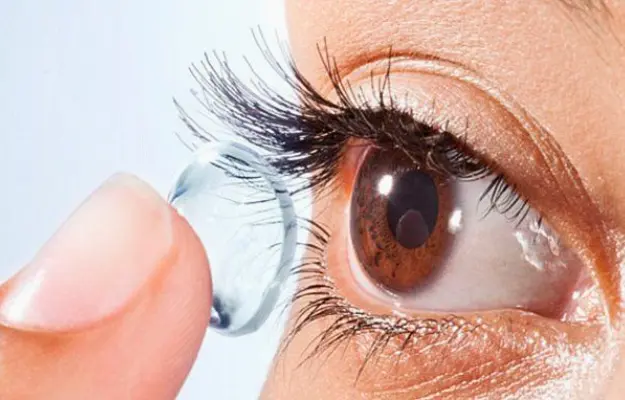
Eye twitching, or an eyelid twitch, is a common phenomenon almost all of us have experienced at least once. Sometimes it's just a subtle flicker, but other times it's a persistent, annoying spasm that causes discomfort and worry. So, what is eye twitching, what causes it, and most importantly, how can you make your eye stop twitching effectively? This article from European Eye Center will answer all your questions, from simple home remedies to knowing when to see a doctor.
What Is Eye Twitching? Is It Dangerous?
Eye twitching, also known as eyelid myokymia, is the involuntary, repetitive spasm of the upper or lower eyelid. Typically, this condition affects only one eye and can last from a few seconds to several minutes, sometimes recurring over hours or even days.
Most cases of eye twitching are harmless and resolve on their own without treatment. It's usually not a sign of a serious health problem. However, if the twitching persists, causes significant discomfort, or is accompanied by other symptoms, you should pay attention and seek out the cause.
Common Causes of Eye Twitching
While the exact cause of eyelid twitching isn't always clear, medical experts have identified several factors that can contribute to or worsen the condition. Recognizing these causes can help you find appropriate solutions.
Stress
Stress is one of the leading causes of eye twitching. When your body is under stress, the nervous system can become overactive, leading to involuntary muscle responses, including those in the eyelids. Work pressure, academic demands, or personal issues can all be triggers.
Fatigue and Lack of Sleep
When your body and eyes don't get enough rest, your eyelid muscles are affected. Fatigue and sleep deprivation increase the likelihood of unwanted muscle spasms, making your eyes more prone to twitching.
Eye Strain
Staring at computer or phone screens for too long, reading in dim light, or prolonged intense focus can cause eye strain. When your eyes are overworked, the muscles around them may begin to twitch in response to this fatigue.
Dry Eyes
Dry eyes are a common condition, especially in older adults, frequent computer users, or contact lens wearers. When the surface of your eye isn't adequately lubricated, it can cause irritation and lead to eyelid twitching.
>> Effective Home Remedies for Dry Eyes & Advanced Treatment Options
Caffeine, Alcohol, and Tobacco
- Caffeine: Consuming too much coffee, tea, energy drinks, or other caffeinated beverages can stimulate the nervous system and cause muscle spasms, including in the eyes.
- Alcohol: Excessive alcohol consumption can lead to dehydration and affect the nervous system, resulting in twitching.
- Tobacco: Nicotine in tobacco is also a stimulant and can contribute to eye twitching.
Allergies and Eye Irritation
When your eyes are irritated by allergies (pollen, dust) or environmental factors like smoke and pollution, we often tend to rub them. Frequent eye rubbing releases histamine, which causes itching and can lead to eyelid twitching.
Medication Side Effects
Certain medications, particularly those for Parkinson's disease, anti-epileptic drugs, or antihistamines, can have muscle twitching, including eyelid twitching, as a side effect.
Nutritional Imbalances
A deficiency in certain essential minerals like Magnesium, Potassium, or Calcium can affect neuromuscular function and cause muscle spasms, including in the eyes.
Rare Eye or Neurological Conditions
In a small number of cases, eye twitching could be a sign of more serious underlying conditions such as:
- Blepharitis: Eyelid inflammation.
- Uveitis: Inflammation of the middle layer of the eye.
- Glaucoma: An optic nerve disease.
- Tourette's Syndrome: A neurological disorder involving motor and vocal tics.
- Hemifacial Spasm: A rare neurological condition causing involuntary muscle contractions on one side of the face.
- Benign Essential Blepharospasm: A rarer and more severe condition causing forceful, involuntary spasms that can lead to complete eyelid closure.
>> A Guide to Identifying and Managing Common Eye Diseases
How to Stop Eye Twitching: 7 Effective Home Remedies
If you're experiencing mild eye twitching not accompanied by other worrying symptoms, you can definitely try the following home remedies to alleviate and stop the phenomenon:
Rest Your Eyes and Body
- Get enough sleep: Ensure you get 7-9 hours of quality sleep each night. Adequate sleep is the best way to restore energy for both your body and your eyes.
- Reduce screen time: Apply the 20-20-20 rule: Every 20 minutes of screen time, look at something 20 feet (about 6 meters) away for 20 seconds.
- Relax your eyes: Close your eyes for a few minutes or perform simple eye exercises like rolling your eyes in circles, or alternating between looking at near and far objects.

Stress Management
Find ways to manage stress in your life. You can try:
- Meditation and yoga: Help relax your mind and body.
- Regular exercise: Releases endorphins, which help reduce stress.
- Spend time on hobbies: Do things you enjoy to relieve pressure.
- Deep breathing: Practice deep breathing exercises to calm yourself.
Limit Stimulants
- Reduce caffeine: Cut back on coffee, tea, soft drinks, and other caffeinated products.
- Limit alcohol: Drink in moderation, avoid excessive consumption.
- Avoid smoking: If you smoke, consider quitting to improve your overall health, including your eyes.
Keep Your Eyes Hydrated
- Use artificial tears: If you feel your eyes are dry, use preservative-free artificial tears several times a day to keep the eye surface moist.
- Apply a warm compress: Place a warm, damp cloth over your eyelids for about 5-10 minutes. The warmth helps relax the eye muscles and stimulates tear glands to work better.
- Blink frequently: Remind yourself to blink fully when working on a computer or reading.
Proper Nutrition
Ensure your diet is rich in Magnesium, Potassium, and Calcium. You can supplement through food:
- Magnesium: Bananas, avocados, dark leafy greens (spinach, kale), nuts (almonds, cashews), tofu.
- Potassium: Bananas, oranges, potatoes, tomatoes.
- Calcium: Milk and dairy products, sardines, dark leafy greens.
If needed, consult a doctor or nutritionist about vitamin and mineral supplements.
Gently Massage Your Eyelids
Using clean fingers, gently massage your upper and lower eyelids in circular motions for a few minutes. This can help relax the twitching muscles.
Close Your Eyes Tightly for a Few Seconds
When you feel your eye starting to twitch, try closing your eyes tightly for about 5-10 seconds, then open them and relax. Repeating this a few times can help calm the twitch.

When to See a Doctor for Eye Twitching?
While most cases of eye twitching are harmless, there are warning signs you should not ignore and need to see an ophthalmologist immediately. These could indicate a more serious condition requiring prompt diagnosis and treatment:
- Persistent twitching: The eyelid twitching lasts for more than a few weeks without improvement.
- Redness, swelling, or unusual discharge: These could be signs of severe eye infection or irritation.
- Drooping of the upper eyelid (ptosis): When eyelid twitching is accompanied by a drooping eyelid that partially or fully covers the pupil.
- Twitching spreading to other parts of the face or body: If not only your eye but also muscles in other parts of your face (like your cheek, lip) or other body parts are twitching.
- Eyelids closing completely with each twitch: This could be a sign of benign essential blepharospasm, a more severe condition.
- Changes in vision or eye pain: Any vision change accompanied by twitching needs to be checked.
Your doctor will perform a general examination and necessary tests to determine the exact cause and recommend a suitable treatment plan (e.g., medication, botulinum toxin - Botox injections to relax muscles in severe cases, or surgery in extremely rare instances).
Frequently Asked Questions About Eye Twitching (FAQ)
In folk beliefs, eye twitching is often considered an omen of good or bad luck. However, scientifically, eye twitching is a normal physiological phenomenon caused by factors like stress, fatigue, lack of sleep, or irritation. There's no scientific evidence to suggest it's an omen.
While there's no "magic food" to instantly stop eye twitching, consuming foods rich in Magnesium (bananas, avocados, dark leafy greens), Potassium (oranges, potatoes), and Calcium (milk, fish) can support neuromuscular function and reduce twitching.
If you have dry eyes accompanied by twitching, using preservative-free artificial tears can help soothe your eyes and reduce irritation, which may in turn reduce twitching. However, avoid overusing eye drops that contain vasoconstrictors (to whiten eyes) as they can be harmful in the long run.
Yes, caffeine is a nervous system stimulant. Drinking too much coffee or other caffeinated beverages can be one of the causes or increase the frequency of eyelid twitching in some sensitive individuals.
In most cases, eye twitching is benign and will resolve on its own within a few days or weeks once the triggering factors (like stress, fatigue) are addressed. If the condition persists or is accompanied by other symptoms, you should see a doctor.
Conclusion
Eye twitching is a common symptom, often harmless, and can be improved by adjusting your lifestyle and habits. Getting enough sleep, reducing stress, limiting stimulants, and proper eye care are essential steps to stop this bothersome phenomenon.
However, never be complacent! If your eye twitching persists, becomes more severe, or is accompanied by other unusual signs, seek out an ophthalmologist or a reputable eye center for an accurate diagnosis. Your eye health is always the top priority!