Are you constantly struggling with persistent itching, burning, dry eyes, or a gritty sensation in your eyes every day? These blepharitis symptoms not only cause discomfort but also significantly impact your quality of life. Blepharitis is a chronic, persistent condition that is often challenging to resolve completely with conventional methods.
If you've tried numerous approaches but your eyes remain persistently uncomfortable, it's time to learn about a more advanced solution: BlephEx. This is a groundbreaking technology specifically designed for effective blepharitis treatment, providing optimal cleanliness for your eyelids and significantly reducing those bothersome blepharitis symptoms.
This article will serve as a comprehensive guide to help you deeply understand what blepharitis is, the challenges in treating chronic blepharitis, and how BlephEx emerges as an advanced solution to help you regain healthy, infection-free eyes. We'll explore its mechanism of action, the treatment procedure, who is a suitable candidate, and how to care for your eyes after treatment to maintain long-term effectiveness.
What is Blepharitis?
Blepharitis is a chronic inflammatory condition affecting the edges of the eyelids, where the eyelash follicles and oil glands (Meibomian glands) are located. It's a very common eye problem, affecting people of all ages, and tends to be persistent and prone to recurrence.
Main causes of blepharitis:
- Bacteria: An overgrowth of bacteria (commonly Staphylococcus) on the eyelid surface is the primary cause of blepharitis.
- Meibomian Gland Dysfunction (MGD): The oil glands in the eyelids become blocked or function poorly, not producing enough oil to lubricate the eyes or producing oil that's too thick, creating an environment for bacterial growth.
- Seborrheic Dermatitis: A skin condition causing inflammation in areas with oil glands, including the scalp, eyebrows, and eyelids.
- Demodex Mites: Tiny mites that live in eyelash follicles can also contribute to inflammation.
- Allergies: Allergic reactions to cosmetics, eye drops, or environmental factors.
- Dry Eye Syndrome: Often accompanies blepharitis and exacerbates symptoms.
Common symptoms of blepharitis:
- Persistent Itching, Burning, and Discomfort: A constant sensation of itchy and burning eyes, especially in the morning.
- Red and Swollen Eyelids: The eyelid margins appear red, slightly swollen, and may have small scales or crusts at the base of the eyelashes.
- Gritty, Foreign Body Sensation: A persistent feeling as if there's dirt or grit in your eye.
- Watery or Dry Eyes: You might experience both, sometimes excessive tearing or very dry, irritated eyes.
- Temporary Blurry Vision: Vision may be slightly affected, especially after blinking.
- Recurrent Styes or Chalazia: Due to blocked oil glands and infection.
- Eyelash Loss: Eyelashes may become brittle and fall out easily.
These blepharitis symptoms not only affect vision but also significantly impact daily quality of life.
>> A Guide to Identifying and Managing Common Eye Diseases
Challenges in Treating Chronic Blepharitis: Why Traditional Methods Aren't Enough?
Blepharitis is considered a chronic condition, meaning it typically persists and tends to recur if not managed correctly. This is the biggest challenge in treating chronic blepharitis.
Traditional blepharitis treatment methods usually focus on home eyelid hygiene and medication:
- Home Eyelid Hygiene: Warm compresses, using saline solution or specialized eyelid cleansers to gently wash the eyelid margins daily. While necessary, this manual cleaning is often insufficient to completely remove the crusts, dead skin cells, excess oil, and tenacious biofilm (a protective bacterial film) that adhere firmly to the lash base and oil glands.
- Antibiotic/Anti-inflammatory Eye Drops or Ointments: These can help control infection and temporarily reduce inflammation. However, they don't address the root cause of accumulated debris and the bacterial environment.
Limitations of traditional methods:
- Inadequate Deep Cleaning: Regular brushes or cotton swabs struggle to thoroughly reach and clean the intricate areas of the eyelid crevices and lash bases where bacteria and debris reside.
- Difficulty Removing Biofilm: Biofilm is a protective film created by bacteria, making them very difficult to dislodge with conventional cleaning methods.
- High Demands for Consistency: Daily eyelid hygiene requires meticulous and consistent effort, which many patients find challenging to maintain effectively long-term.
- Frequent Recurrence: Because the root causes of the condition are not fully removed, blepharitis easily recurs once treatment stops or hygiene is insufficient.
Due to these challenges in treating chronic blepharitis, ophthalmologists have sought new, more effective solutions to provide genuine relief to patients. This is precisely why BlephEx was developed.
What is BlephEx? An Advanced Solution for Blepharitis Treatment
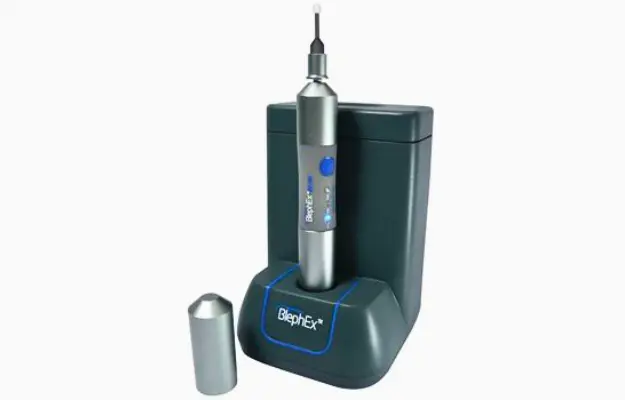
BlephEx is a patented, specialized medical device designed to perform a deep cleaning and exfoliation procedure for the eyelid margins right in the clinic. It is considered an advanced and effective solution for blepharitis treatment, helping to address the root causes of inflammation.
BlephEx works by utilizing a tiny, single-use, soft tip that rotates rapidly to gently remove debris, dead skin cells, excess oil, bacteria, and especially biofilm clinging to the eyelid margins and lash bases. This procedure is similar to a "polishing" or "deep exfoliation" for the eyelids.
BlephEx is considered a significant advancement over home hygiene methods because:
- Deep and Precise Cleaning: The device allows the doctor to fully control the pressure and rotation speed, ensuring thorough cleaning of every eyelid crevice without causing eye damage.
- Effective Biofilm Removal: This is a key differentiator. BlephEx can disrupt and remove the biofilm layer that bacteria create to protect themselves, which acts as their "home" and is a primary cause of chronic inflammation and recurrence.
- Performed by a Professional: The procedure is carried out by a trained doctor or technician, ensuring safety and optimal effectiveness.
With BlephEx, patients with blepharitis can experience immediate cleanliness and comfort, significantly reducing their prolonged and bothersome blepharitis symptoms.
How BlephEx Works and Its Superior Advantages
BlephEx operates on a simple yet highly effective mechanism, offering many superior advantages in blepharitis treatment compared to traditional methods.
Mechanism of action of BlephEx:
BlephEx is a small, handheld device equipped with a single-use, very soft tip. This tip is coated with a special cleansing gel. When activated by the doctor, the tip rotates gently but rapidly along the eyelid margins and lash bases.
- Mechanical Cleaning: The rotating motion of the tip dislodges and removes crusts, dead skin cells, and stubborn excess oil that have accumulated on the eyelid margins.
- Biofilm Disruption: This is the crucial point. The biofilm is a sticky film that bacteria create to protect themselves, making them very difficult to wash away with water or standard medications. BlephEx has the ability to disrupt the biofilm structure, exposing the underlying bacteria so they can be easily removed.
- Gland Stimulation: The cleaning process also helps to unblock clogged Meibomian oil glands, improving their function and helping the eyes receive better lubrication.
Superior advantages of BlephEx in blepharitis treatment:
- Deep Cleaning Effectiveness: Achieves a level of cleanliness that is difficult to reach with home hygiene methods.
- Rapid Symptom Reduction: Many patients report reduced itching, burning, and gritty sensations immediately after their first treatment session.
- Chronic Blepharitis Control: Helps control and reduce the frequency of blepharitis recurrence by removing the underlying inflammatory factors.
- Improved Dry Eye Condition: By unblocking oil glands, BlephEx contributes to improving tear film quality and reducing associated dry eye symptoms.
- Safe and Painless: The procedure is performed by a professional, under controlled conditions and with local anesthetic (if needed), ensuring safety and virtually no pain.
- Quick Procedure Time: Each treatment session typically takes only a few minutes.
Thanks to these superior advantages, BlephEx has become an advanced solution recommended by many ophthalmologists for patients with chronic blepharitis.
What Does the BlephEx Blepharitis Treatment Procedure Involve?
The BlephEx blepharitis treatment procedure is a quick, safe technique performed right in the clinic. Here are the steps you can expect:
- Examination and Assessment: Before the treatment begins, your ophthalmologist will thoroughly examine your eyelid margins, assess the severity of your blepharitis, and determine if BlephEx is a suitable option for you.
- Local Anesthesia (if needed): To ensure maximum comfort for the patient, the doctor may apply anesthetic eye drops before starting the procedure. This helps minimize any potential discomfort.
- BlephEx Cleaning Application:
- The doctor will gently hold your eyelid in a stable position.
- Using the handheld BlephEx device, which has a tiny, single-use tip coated with a special cleaning solution.
- The doctor will gently move the rotating tip along the entire length of the eyelid margin and lash bases (both upper and lower eyelids). The tip rotates rapidly to precisely remove crusts, debris, bacteria, and biofilm.
- During this process, the other eye will be shielded for protection.
- Post-Treatment Cleaning: After the BlephEx procedure is complete, the doctor may rinse your eyelids with saline solution to remove any remaining debris.
- Post-Treatment Consultation: The doctor will provide detailed instructions on how to care for your eyes at home after the procedure and schedule follow-up appointments (if necessary).
The entire BlephEx blepharitis treatment procedure usually takes only about 6-8 minutes for both eyes. Most patients report no pain, only a sensation of gentle vibration or tickling. After treatment, the eyelids might appear slightly red or have transient irritation for a few hours, but this quickly returns to normal.
To maintain effectiveness, doctors often recommend periodic BlephEx treatments, typically every 4-6 months, depending on the individual patient's blepharitis condition.
Who Should Consider BlephEx Treatment for Blepharitis?
BlephEx is an advanced blepharitis treatment solution, but it's not the only option for every case. So, who should consider BlephEx treatment for blepharitis to achieve optimal results?
BlephEx is particularly suitable and recommended for:
- Patients with chronic blepharitis: Those who have been struggling with persistent blepharitis symptoms (itching, burning, dry eyes, gritty sensation) and have not experienced significant improvement with traditional home hygiene methods.
- Individuals with Meibomian Gland Dysfunction (MGD): Cases where MGD causes or exacerbates blepharitis, as BlephEx helps to unblock these oil glands.
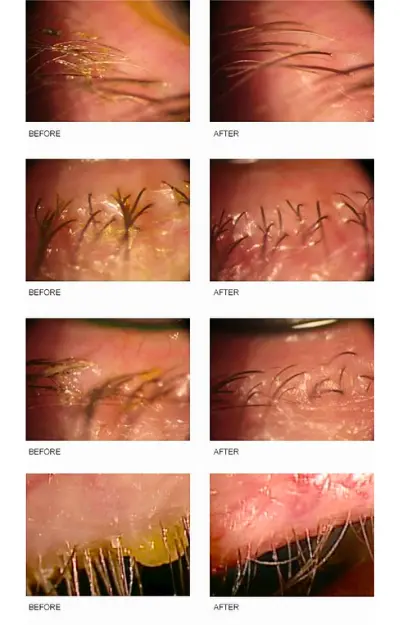
- Patients with significant biofilm accumulation: When a doctor observes a dense layer of biofilm on the eyelid margins (often visible under a microscope), BlephEx is the most effective tool to remove it.
- Individuals with frequent recurrent styes or chalazia: Since blepharitis is a primary risk factor for styes and chalazia, addressing the root cause can reduce their recurrence.
- Patients preparing for eye surgery: Especially cataract surgery, LASIK, or other ocular surgeries. Cleaning the eyelid margins before surgery helps reduce the risk of infection and improves outcomes.
- People with sensitive eyes: Those prone to irritation or allergies from antibiotic/anti-inflammatory eye drops may find BlephEx to be a good option.
- Individuals seeking optimal eyelid health maintenance: Even without severe symptoms, regular BlephEx cleaning can help prevent and maintain eyelid hygiene.
However, BlephEx is not suitable for everyone. A doctor will not perform this procedure if you have a severe acute eye infection, open wounds on your eyelids, or certain other specific eye conditions.
To find out exactly who should consider BlephEx treatment for blepharitis and whether it's the best solution for your condition, you need to be examined and advised directly by a professional ophthalmologist.
Eye Care After BlephEx Treatment
After BlephEx blepharitis treatment, you'll likely feel a significant difference. However, BlephEx is not a "cure" for blepharitis but rather a specialized cleaning tool that helps control the condition. Therefore, eye care after BlephEx treatment is extremely important to maintain effectiveness and prevent recurrence.
- Continue daily home eyelid hygiene: Although BlephEx provides a deep clean, you still need to maintain daily eyelid hygiene habits using warm water, a specialized eyelid cleanser, or pre-moistened eyelid wipes. This helps prevent the re-accumulation of excess oil, dead skin, and bacteria.
- Use prescribed eye drops as directed: Your doctor may prescribe antibiotic or anti-inflammatory eye drops, or artificial tears, to support the healing process and maintain eye moisture. Strictly adhere to the medication schedule.
- Avoid irritants: Limit exposure to smoke, dust, dry air, and allergens. Avoid rubbing your eyes.
- Clean contact lenses and eye cosmetics: If you wear contact lenses, ensure proper hygiene. Replace mascara and eyeliner regularly (every 3-6 months) and do not share eye cosmetics with others.
- Healthy diet and lifestyle: Maintain a diet rich in Omega-3s (salmon, flaxseeds), drink enough water, and get sufficient sleep to support overall eye health and improve oil gland quality.
- Regular follow-up appointments with your doctor: Your doctor will schedule follow-up visits to check the condition of your eyelid margins and may recommend repeat BlephEx treatments periodically (usually every 4-6 months) to maintain optimal cleanliness and prevent recurrence long-term.
Strict adherence to these eye care guidelines after BlephEx treatment will help you extend your period of comfort, minimize blepharitis symptoms, and keep your eyes healthy.
Conclusion
Blepharitis is a chronic, persistent condition that often leaves many feeling helpless. However, with the advent of advanced blepharitis treatment solutions like BlephEx, you now have a powerful and effective option to combat it.
BlephEx is not just a routine cleaning method; it's a specialized, professionally performed procedure capable of thoroughly removing the root causes of inflammation, such as crusts, excess oil, bacteria, and especially stubborn biofilm. As a result, BlephEx provides rapid relief and helps control blepharitis sustainably.
If you are struggling with persistent blepharitis symptoms and traditional methods haven't yielded the desired results, don't hesitate to research and consult an ophthalmologist about BlephEx. This could be the optimal choice to help you regain healthy, infection-free eyes and significantly improve your daily quality of life.
>> Read more: How to Stop Eye Twitching: Causes and Effective Remedies