Have you ever noticed tiny specks, threads, or cobweb-like shapes drifting across your vision? Or perhaps fleeting streaks of light, like a camera flash in your peripheral view? These common visual phenomena are known as vitreous floaters and flashes of light, respectively. While often harmless, understanding their nature and, more importantly, recognizing the warning signs that indicate a serious underlying condition, is crucial for preserving your eye health.
This article will explain what floaters and flashes are, their causes, when they might signal a serious problem like a retinal tear or retinal detachment, and what diagnostic and treatment options are available. Protecting your vision starts with awareness.
What Are Vitreous Floaters?
Vitreous floaters, also known as “eye floaters”, are tiny spots, specks, threads, or cobwebs that appear to drift in your field of vision. They are most noticeable when looking at a plain bright background, like a clear blue sky, a white wall, or a computer screen.
- Appearance: They can vary in shape, size, and number. Some appear as clear bubbles, while others might look like dark dots, lines, or even intricate spiderwebs.
- Movement: Floaters don't stay still when you try to look directly at them; they drift away as your eye moves, often seeming to float down when your eye stops.
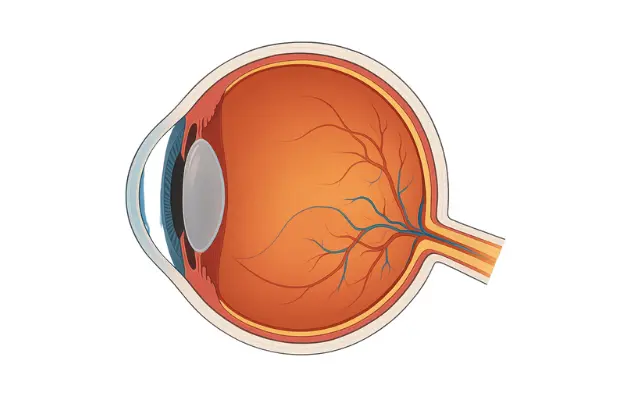
- Cause: Floaters occur due to changes in the vitreous humor, the clear, gel-like substance that fills the main cavity of your eye. As we age, the vitreous naturally begins to shrink and liquefy. Tiny clumps of collagen fibers (which make up the vitreous) can break loose and cast shadows on your retina, which you perceive as floaters. This process is called Posterior Vitreous Detachment (PVD) and is a very common, age-related occurrence.
Most vitreous floaters are harmless and do not require treatment. Over time, your brain often learns to ignore them, or they may settle out of your direct line of sight.
What Are Flashes of Light?
Flashes of light are brief, flickering lights or streaks that appear in your vision, often described as lightning flashes or camera flashes. They are typically more noticeable in a dark room or at night.
- Appearance: They can be white, bright, or colorful and may appear in your peripheral (side) vision.
- Movement: Flashes tend to occur suddenly and may appear with eye movement.
- Cause: Flashes are usually caused by the vitreous gel pulling or tugging on the retina. The retina is the light-sensitive tissue at the back of your eye that sends visual signals to your brain. When the vitreous pulls on the retina, it stimulates the retina, sending a signal that the brain interprets as light, even though there's no actual light entering the eye. This pulling sensation is often associated with the process of Posterior Vitreous Detachment (PVD).
While occasional flashes of light can be a normal part of the aging process (related to PVD), they can also be a critical sign of a more serious underlying issue, such as a retinal tear or retinal detachment.
When to Worry: Warning Signs of Serious Eye Conditions
While most vitreous floaters and flashes are benign, it is absolutely crucial to be aware of certain warning signs that indicate a medical emergency. These symptoms could mean you have a retinal tear or retinal detachment, conditions that can lead to permanent vision loss if not treated promptly.
Seek immediate medical attention from an ophthalmologist if you experience any of the following:
- Sudden onset of new floaters: A sudden shower of many new floaters, especially if they are dark or numerous.
- Sudden increase in existing floaters: A noticeable and rapid increase in the number or density of floaters you already have.
- New or persistent flashes of light: New flashes that are intense, frequent, or persistent, especially if they occur in the same part of your vision.
- A shadow or "curtain" appearing in your peripheral (side) vision: This can feel like a gray curtain or veil moving across your field of vision.
- Sudden decrease or loss of central vision: Although less common with early retinal tears, it can occur if the central retina (macula) is affected.
These symptoms indicate that the vitreous gel might be pulling hard enough to tear the retina, or that a retinal detachment is occurring, where the retina pulls away from the back of the eye. Timely intervention is paramount to prevent irreversible vision damage.
Diagnosis: How Eye Doctors Examine Floaters and Flashes
If you experience vitreous floaters or flashes of light, especially if they are new or worsening, your eye doctor will perform a comprehensive eye examination to determine their cause and rule out serious conditions.
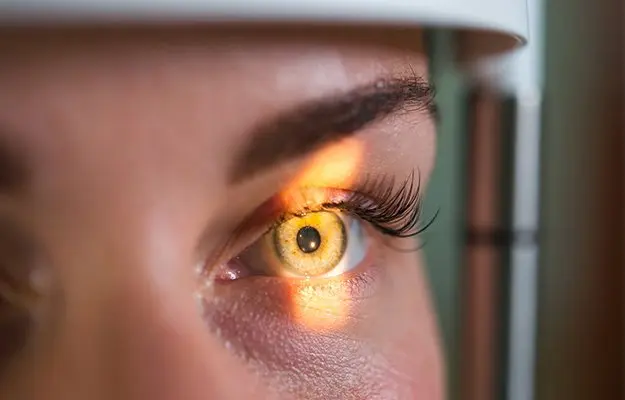
- Dilated Eye Exam (Fundoscopy): This is the most important diagnostic step. Your doctor will use eye drops to dilate your pupils, allowing a clear view of the retina and vitreous. They will use specialized instruments to look for any signs of retinal tears, retinal detachment, or other abnormalities.
- Optical Coherence Tomography (OCT): In some cases, an OCT scan may be used to get detailed cross-sectional images of the retina and vitreous, helping to identify subtle changes or traction.
Treatment Options for Floaters and Flashes
The treatment approach for vitreous floaters and flashes depends entirely on their underlying cause and severity.

For Benign Floaters (No Retinal Tear/Detachment):
- Observation: Most common approach. If the floaters are not significantly impacting vision, your eyes and brain often adapt, making them less bothersome over time. No treatment is usually necessary.
- Vitrectomy (Rare): In very rare cases where exceptionally dense and debilitating floaters severely impair vision and quality of life, a surgical procedure called a vitrectomy might be considered. This involves surgically removing the vitreous gel and replacing it with a saline solution. This procedure carries risks (e.g., cataract development, infection, retinal detachment) and is only performed as a last resort.
- Laser Vitreolysis (Controversial): A laser procedure aiming to break up large floaters into smaller, less noticeable pieces. Its effectiveness and safety are debated among ophthalmologists, and it's not widely recommended due to potential risks.
For Retinal Tears:
- If a retinal tear is detected before it progresses to a detachment, treatment is often quick and highly effective.
- Laser Photocoagulation: A laser is used to create tiny burns around the tear, essentially "welding" the retina to the underlying tissue to prevent fluid from getting underneath and causing a detachment.
- Cryopexy (Freezing): A freezing probe is applied to the outer surface of the eye to create a scar that seals the tear.
For Retinal Detachment:
- Retinal detachment is an emergency and requires surgery to reattach the retina. The type of surgery depends on the characteristics of the detachment.
- Vitrectomy: Removal of the vitreous gel, followed by the injection of a gas bubble or silicone oil to push the retina back into place.
- Scleral Buckle: A silicone band is sewn onto the outside of the eyeball to gently push the wall of the eye inward, bringing it closer to the detached retina.
- Pneumatic Retinopexy: In some specific cases, a gas bubble is injected into the eye, and positioning is used to push the retina back.
Conclusion
Vitreous floaters and flashes of light are common visual experiences, often harmless, especially as we age. However, they can sometimes be critical indicators of serious conditions like a retinal tear or retinal detachment that threaten your vision.
The key takeaway is awareness. If you experience sudden new floaters, new or worsening flashes, or a shadow in your vision, consider it an urgent matter. Do not delay – seek immediate medical attention from an ophthalmologist. Early diagnosis and prompt treatment are vital to preventing irreversible vision loss and ensuring the long-term health of your eyes. Regular comprehensive eye exams are also essential for early detection of any changes.