Diabetes doesn't just affect blood sugar, but it's also a leading cause of serious eye complications. Among these, Diabetic Retinopathy is the most common and concerning. This condition can lead to permanent vision loss, and even blindness, if not detected and managed promptly.
However, with effective prevention of diabetic retinopathy, individuals with diabetes can absolutely protect their eyesight. This article will provide you with comprehensive knowledge and practical tips to control diabetes, thereby preserving bright, healthy vision for the long term.
What is Diabetic Retinopathy? Why Should Diabetics Be Alert?
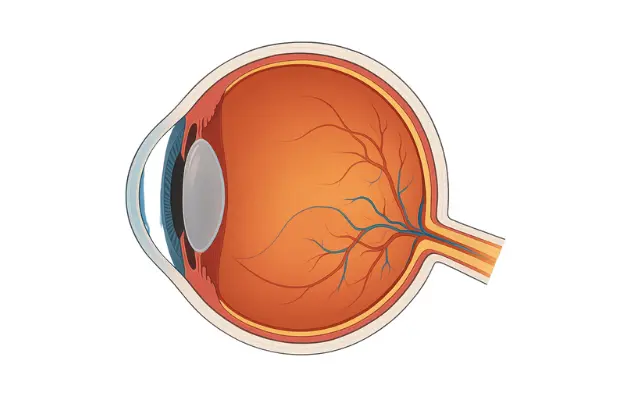
Diabetic Retinopathy is a serious complication of diabetes that occurs when the tiny blood vessels in the retina (the light-sensitive tissue at the back of the eye) are damaged. Prolonged high blood sugar weakens and blocks these blood vessels, leading to:
- Fluid or blood leakage: Causing swelling in the retina (diabetic macular edema) and blurred vision.
- Oxygen deprivation: When blood vessels are blocked, the retina doesn't receive enough oxygen, which triggers the eye to grow abnormal new blood vessels (neovascularization). These new vessels are very fragile, prone to bleeding, causing severe hemorrhage into the eye, forming scar tissue, and potentially leading to retinal detachment.
Most diabetic patients are at risk of developing diabetic retinopathy, especially those who have had diabetes for many years or have poorly controlled blood sugar. The alarming fact is that in its early stages, the disease often has no obvious symptoms, causing many to be complacent and only discover it when the condition has advanced significantly.

Effective Steps to Prevent Diabetic Retinopathy
The key to preventing diabetic retinopathy lies in tightly controlling diabetes and taking proactive eye protection measures.
Strict Blood Sugar Control
This is the most crucial foundation. Maintaining blood sugar levels within a healthy range, as recommended by your doctor, will significantly reduce the risk of retinal blood vessel damage.
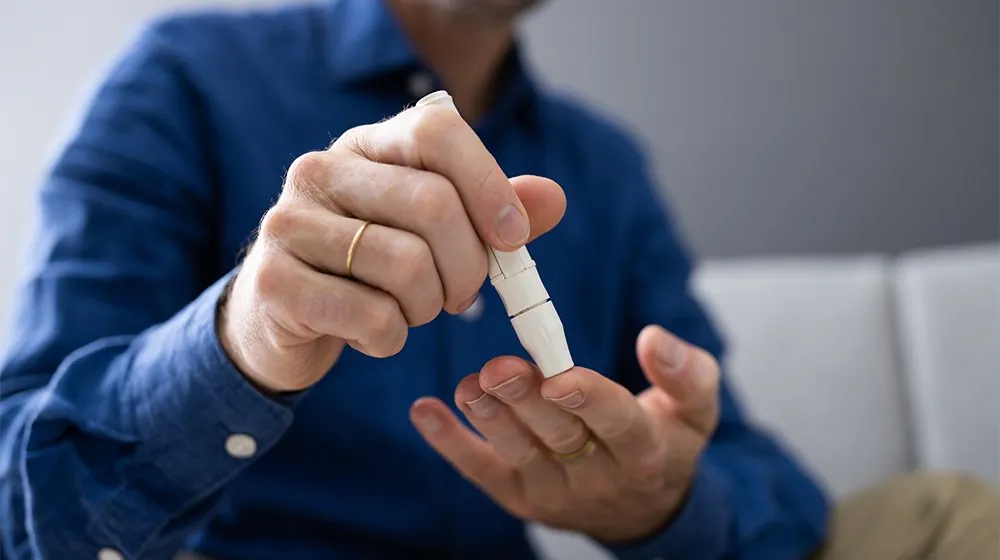
- Monitor blood sugar regularly: Use a home blood glucose meter and record your results so your doctor can adjust medication and treatment plans as needed.
- Adhere to your treatment plan: Take medication or inject insulin at the correct times and dosages as prescribed by your endocrinologist.
Healthy, Scientific Diet
Nutrition plays a pivotal role in blood sugar control and overall health, including your eyes.
- Prioritize low-sugar, low-refined carbohydrate foods: Avoid sweets, sugary drinks, pastries, and refined grains (white bread, white rice).
- Increase fiber intake: Dark leafy greens (kale, spinach), fresh fruits (low in sugar), and whole grains (oats, brown rice) help stabilize blood sugar.
- Include healthy proteins: Fatty fish (salmon, tuna, rich in Omega-3), skinless chicken, beans, and nuts.
- Manage fats: Prioritize monounsaturated and polyunsaturated fats (olive oil, avocados, nuts) over saturated and trans fats.
Control Blood Pressure and Cholesterol
Diabetics often have a high risk of high blood pressure and dyslipidemia (abnormal cholesterol levels). These two factors add further strain on blood vessels and accelerate retinal damage.
- Monitor and maintain stable blood pressure: Below 130/80 mmHg is a common target, but ask your doctor for your specific goal.
- Control bad cholesterol (LDL-C) and increase good cholesterol (HDL-C): Through diet, exercise, and medication if necessary.
Active and Healthy Lifestyle
Physical activity and avoiding bad habits improve overall health and reduce the risk of diabetic complications.
- Exercise regularly: Physical activity increases insulin sensitivity, lowers blood sugar, blood pressure, and cholesterol. Aim for at least 30 minutes of moderate-intensity exercise most days of the week, such as walking, jogging, or cycling.
- Quit smoking and limit alcohol: Smoking increases blood sugar and the risk of type 2 diabetes, while also accelerating blood vessel damage. Alcohol can cause dangerous fluctuations in blood sugar.
- Manage stress: Chronic stress increases cortisol levels, causing inflammation, vascular leakage, and exacerbating diabetic damage, while also increasing insulin resistance and blood sugar. Meditation, yoga, or other relaxation activities can be helpful.
Proactive Eye Protection
Even if you manage your diabetes well, protecting your eyes from external factors is still essential.
- Wear good quality sunglasses: When outdoors, always wear sunglasses that block 100% of ultraviolet (UVA and UVB) rays to protect your eyes from sun damage, reducing the risk of cataracts and macular degeneration.
- Take breaks from electronic devices: Follow the 20-20-20 rule: Every 20 minutes of screen time, look at something 20 feet (about 6 meters) away for 20 seconds to relax your eyes and prevent digital eye strain and dry eyes.
>> Diabetic Retinopathy Treatment Methods

The Importance of Regular Eye Exams for Diabetics
Because diabetic retinopathy often has no symptoms in its early stages, regular comprehensive eye exams are extremely important for all diabetic patients.
- Exam Frequency: Diabetics should have a detailed eye exam at least once a year, or more frequently as advised by their doctor.
- Exam Content: The eye exam will include a dilated eye exam to check the condition of your retinal blood vessels, macula, and optic nerve. Your doctor may use advanced imaging techniques such as OCT (Optical Coherence Tomography) or fluorescein angiography for a more detailed assessment.
- Early Detection and Timely Treatment: Early detection of diabetic retinopathy allows your doctor to initiate timely treatment, helping to preserve vision and prevent severe complications. Treatment methods may include intraocular injections, laser photocoagulation, or surgery.
>> Common Retinal Diseases and Effective Prevention Methods
Frequently Asked Questions About Preventing Diabetic Retinopathy (FAQ)
Diabetic retinopathy is a chronic condition. While it cannot be "cured" in the sense of being permanently eliminated, modern treatments can control the disease, halt its progression, and effectively preserve vision if detected and treated promptly.
Absolutely yes. Diabetic retinopathy often has no symptoms in its early stages. By the time vision starts to blur, the disease may have already progressed significantly. Regular eye exams are the only way to detect early retinal damage before it affects your vision.
Diabetics can still eat fruit but need to choose low-sugar varieties and control portion sizes. Good choices include berries (strawberries, blueberries), apples, pears, oranges, and grapefruits. It's best to eat whole fresh fruit rather than juice and spread fruit intake evenly throughout your meals.
In addition to those factors, quitting smoking, limiting alcohol, maintaining a healthy weight, exercising regularly, and reducing stress are also crucial in preventing diabetic complications in general and protecting your eyes in particular.
If you are a diabetic patient and suddenly notice any changes in your vision such as sudden blurring, increased dark spots or "floaters," flashing lights, or a partial loss of your field of vision, see an ophthalmologist immediately. These could be signs of internal bleeding in the eye or other serious complications.
Conclusion
Preventing diabetic retinopathy is a continuous process that requires active and consistent effort from patients. By effectively controlling blood sugar, blood pressure, cholesterol, maintaining a healthy lifestyle, and especially undergoing regular eye exams, you can significantly minimize the risk of complications and preserve your bright, healthy vision for years to come.
Don't let diabetic retinopathy steal your sight. Take proactive steps to care for your eyes and overall health today. If you have any concerns about your vision or need specialized advice on diabetic retinopathy, feel free to contact the experts at European Eye Center. We are committed to providing European-standard eye care, helping you achieve the best solutions for your eyes.