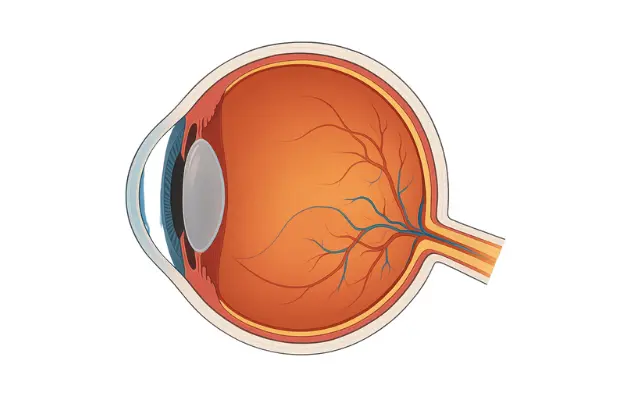
In the world of ophthalmology, 20/20 vision is a familiar term, often considered the gold standard for healthy eyes. But what exactly is 20/20 vision, and is it all you need for perfect eyesight? This article will help you understand the definition of 20/20 vision, the factors that affect it, common vision problems, and most importantly, how to maintain healthy eyes to achieve the best possible vision.
What Exactly Is 20/20 Vision? Decoding the Gold Standard
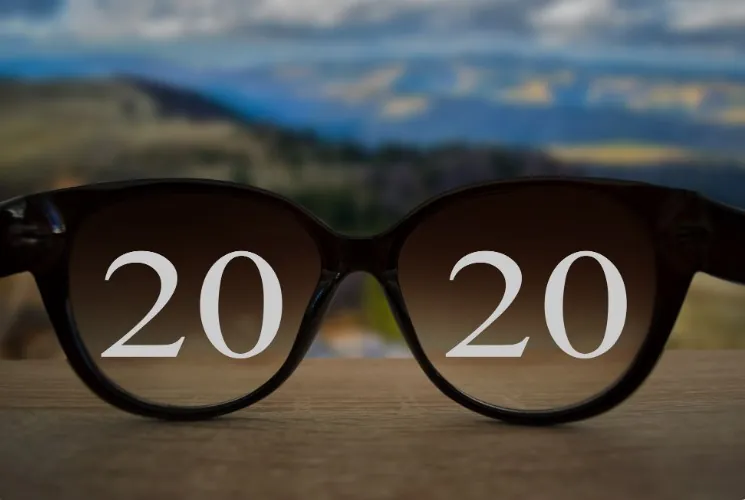
20/20 vision is a standard measurement used to assess an individual's visual acuity—how sharp their eyesight is. This number is determined through eye exams conducted at a distance of 20 feet (approximately 6 meters) using an eye chart, most commonly the Snellen chart.
- Meaning of 20/20: If you have 20/20 vision, it means you can clearly see at 20 feet (6 meters) what a person with normal vision can also see at that distance. This is considered normal vision.
- Better than 20/20 Vision: Some people might have even better vision, for example, 20/15 or 20/10. This means that at 20 feet, they can see details that someone with 20/20 vision would need to stand closer (e.g., 15 feet or 10 feet) to see.
- Worse than 20/20 Vision: If your vision is 20/50, it means that to see an object clearly at 20 feet, you need to be that close, while someone with normal vision can see that same object clearly from 50 feet away. Vision of 20/200 or worse (even with corrective lenses) is generally considered legally blind in many countries.
It's important to note that 20/20 vision doesn't mean perfect eyes. It simply measures the sharpness of your vision at a specific distance. A truly healthy and well-functioning eye involves many other aspects.
>> How Vision Problems Impact Children’s Learning and Academic Performance
Comprehensive Vision: More Than Just the 20/20 Number
Visual acuity is only one part of overall visual function. For truly "perfect" vision and healthy eyes, many other factors need to work together:
- Visual Field: The ability to see objects to the sides (peripheral vision) without moving your head.
- Color Vision: The ability to distinguish between different colors.
- Depth Perception (Stereopsis): The ability to judge distances and see objects in three-dimensional space.
- Accommodation: The ability to clearly focus on objects moving between far and near distances.
- Eye Coordination: The ability of both eyes to work together smoothly and in alignment.
- Low Light Vision: Good vision even in dim lighting conditions.
- Glare Recovery: The ability for vision to remain stable when exposed to bright, dazzling light.
Therefore, even if you have 20/20 vision, you might still experience other eye problems like dry eyes, eye strain, visual field defects, difficulty distinguishing colors, or reduced night vision.
Factors That Can Lead to Vision Worse Than 20/20
Several common factors can prevent vision from reaching the 20/20 standard. These can be due to refractive errors, eye conditions, or systemic diseases that affect vision.
Refractive Errors:
These are the most common causes of poor vision and can often be easily corrected with glasses or surgery.
- Myopia (Nearsightedness): Clear vision for near objects, blurry vision for distant objects.
- Hyperopia (Farsightedness): Blurry vision for near objects; distant objects may be clear or blurry depending on the severity.
- Astigmatism: Blurry or distorted vision at all distances, where images appear stretched or elongated.
- Presbyopia: Difficulty seeing up close due to the natural aging process of the eye, typically occurring after age 40.
Eye Conditions:
These conditions can severely impact vision if not detected and treated early.
- Cataracts: Clouding of the eye's natural lens, leading to reduced vision. Commonly seen in older adults.
- Glaucoma: Damage to the optic nerve due to increased pressure inside the eye, leading to peripheral vision loss and potentially permanent blindness.
- Macular Degeneration (AMD): Damage to the macula, the central part of the retina, causing loss of central vision. Most common in older adults.
- Diabetic Retinopathy: Damage to the blood vessels in the retina as a complication of diabetes.
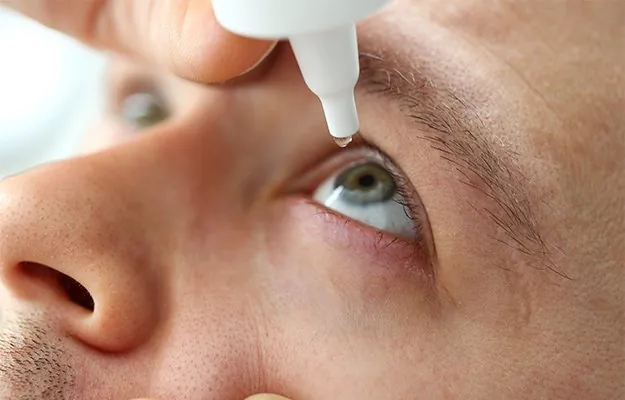
- Severe Dry Eye: Insufficient tear production or poor tear quality, causing discomfort, blurry vision, and damage to the eye's surface.
Chronic Diseases and Other Factors:
- Diabetes: Besides diabetic retinopathy, diabetes can also cause early cataracts and affect the eye's focusing ability.
- High Blood Pressure: Can lead to damage of the retinal blood vessels (hypertensive retinopathy).
- Medication Side Effects: Some medications can affect vision.
- Eye Trauma: Direct physical injury to the eye.
- Genetic Factors: Some eye conditions have a hereditary component.
Vision Correction Methods to Achieve 20/20 (or Near 20/20)
Fortunately, most issues preventing 20/20 vision can be effectively corrected.
- Eyeglasses: The most common and simple method to correct refractive errors. Eyeglasses come with various lens types and frames, suiting all needs and styles.
- Contact Lenses: Offer greater convenience and aesthetics than eyeglasses, especially suitable for athletes or activities requiring obstruction-free vision. There are many types of soft, rigid, daily disposable, or extended-wear contact lenses.
- Refractive Surgery: Procedures like LASIK, SMILE, and PRK use lasers to reshape the cornea, helping light focus correctly on the retina. This leads to permanent vision improvement and eliminates dependence on glasses. Surgery is typically performed on individuals over 18 with a stable prescription.
- Implantable Collamer Lenses (ICL/Phakic IOL): An option for those with very high myopia/astigmatism or corneas too thin for laser surgery.
- Cataract Surgery: For cataracts, surgically replacing the clouded natural lens with an artificial intraocular lens is the most effective treatment, leading to significant vision restoration.
Golden Tips for Healthy Eyes to Achieve and Maintain Good Vision
Your eyes are the windows to your soul, and taking care of them daily is incredibly important to maintain the best possible vision.
- Regular Eye Exams: This is the most crucial advice. Get your eyes checked at least every 1-2 years (or as advised by your doctor) to detect vision problems and eye diseases early. Many serious eye conditions like glaucoma show no clear symptoms in their early stages.
- Quit Smoking: Smoking increases the risk of serious eye diseases such as cataracts, macular degeneration, and optic neuropathy.
- Exercise Regularly: Physical activity improves blood circulation and reduces the risk of diabetes and high blood pressure – factors that can affect vision.
- Manage Weight and Blood Sugar: Especially important for individuals with diabetes to prevent or slow the progression of diabetic retinopathy.
- Wear Eye Protection:
- UV-Blocking Sunglasses: Always wear high-quality sunglasses that block 100% of UV rays when outdoors, even on cloudy days, to protect your eyes from UV damage.
- Safety Glasses: Wear protective eyewear when working with chemicals, sharp tools, or participating in sports with a risk of eye injury.
- Give Your Eyes a Break (The 20-20-20 Rule): When working on computers or phones for extended periods, follow the 20-20-20 rule: Every 20 minutes, look at something 20 feet away for at least 20 seconds. This helps reduce eye strain and dry eyes.
- Eat a Healthy Diet: Incorporate foods rich in Vitamins A, C, E, Zinc, Omega-3s, and Lutein/Zeaxanthin. Good foods for eye health include: salmon, dark leafy greens (kale, spinach), carrots, eggs, berries, and nuts.
- Maintain Good Eye Hygiene: Wash your hands thoroughly before touching your eyes, especially when inserting or removing contact lenses. Avoid rubbing your eyes vigorously.
Frequently Asked Questions About 20/20 Vision (FAQ)
Not entirely. 20/20 vision only measures the sharpness of your sight at a specific distance. Someone with 20/20 vision can still have other eye problems like dry eyes, color blindness, reduced visual field, or difficulty seeing in low light.
If your vision is already 20/20 and you have no refractive errors, you don't need glasses for clarity. However, if you have other issues like dry eyes or need protection from blue light when using screens, you might consider non-prescription specialized glasses.
Children typically achieve 20/20 vision around 3-5 years old. However, a child's vision should be monitored regularly to detect any refractive errors or eye diseases early, allowing for timely treatment to optimize vision development.
The goal of LASIK and other refractive surgeries is to help patients achieve 20/20 vision or better. A large majority of patients do achieve this level of vision after surgery, but specific outcomes can vary depending on the individual's initial eye condition and healing capabilities.
Not necessarily. Vision can change with age (e.g., presbyopia after age 40) or due to eye conditions (cataracts, glaucoma, diabetes). Regular eye exams are crucial for monitoring and maintaining the best possible vision.
You need to visit an eye clinic or a specialized eye hospital to have an optometrist or ophthalmologist perform professional vision tests.
Conclusion
20/20 vision is an excellent benchmark, but it's only one piece of the larger puzzle of visual health. Comprehensive eye care, including regular eye exams, a scientific diet, a healthy lifestyle, and proper eye protection, is key to maintaining optimal vision and safeguarding your precious eyes from dangerous diseases.
Always listen to the advice of your eye care professional and invest in your eye health starting today!