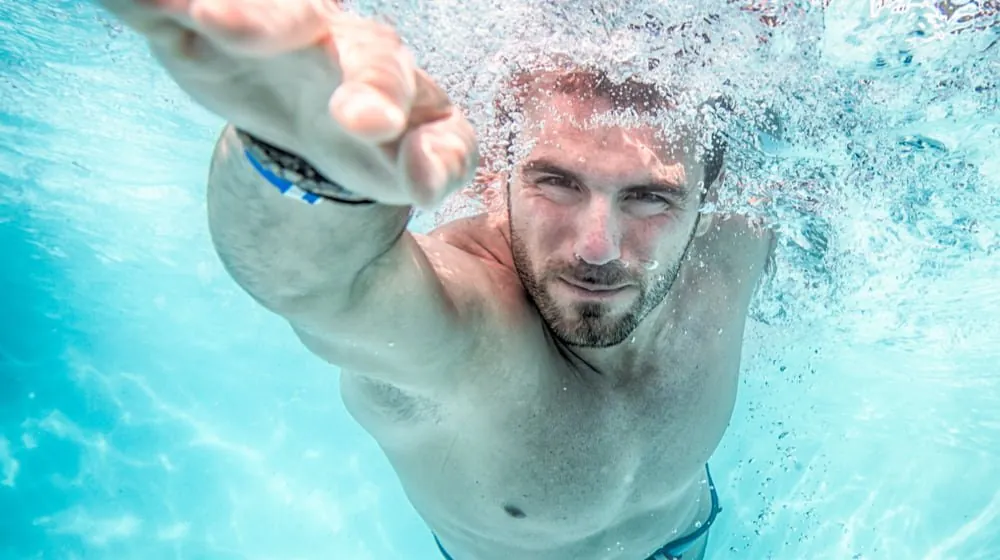
Swimming is one of the most beloved physical activities, offering both stress relief and overall health benefits. However, for those who wear contact lenses, this enjoyment often comes with a significant question: Is it safe to swim with contact lenses on? This isn't just about comfort or clear vision; it's a serious concern for your eye health.
This in-depth article from European Eye Center will delve into why ophthalmology experts consistently advise against wearing contact lenses while swimming. We'll explore the potential risks, what to do if water accidentally gets into your eyes, and safer alternative solutions so you can enjoy every moment in the water without worrying about your precious eyesight.
Why Is Wearing Contact Lenses While Swimming Dangerous for Your Eyes?
The golden rule in eye care is clear: Never let contact lenses come into contact with water, whether it's tap water, pool water, seawater, or natural bodies of water like rivers and lakes. Here are the core reasons behind this strict recommendation:
1. Dramatically Increased Risk of Eye Infections
Any non-sterile water source contains countless microorganisms. When contact lenses, especially soft contact lenses with their porous structure, come into contact with water, they absorb these pathogens and cling to the lens surface. When you re-insert the lenses, these bacteria, viruses, fungi, or parasites directly invade and proliferate on the highly sensitive corneal surface.
Common infectious agents found in water include:
- Bacteria: Can cause acute conjunctivitis and corneal ulcers.
- Fungi: Leading to fungal keratitis, which is often difficult to treat and can result in permanent damage.
- Parasites (Acanthamoeba): This is one of the most serious threats.
2. The Threat of Acanthamoeba Keratitis
Acanthamoeba keratitis is a rare but extremely severe eye infection caused by the Acanthamoeba parasite. This type of parasite is commonly found in soil, tap water, swimming pool water, and other natural water sources.
When Acanthamoeba enters the eye via contact lenses exposed to water, it can cause devastating damage to the cornea. Symptoms include:
- Severe eye pain disproportionate to visible damage.
- Redness and persistent tearing.
- Light sensitivity (photophobia).
- Blurred vision and significant vision loss.
Acanthamoeba keratitis is notoriously difficult to diagnose and treat, often requiring prolonged medication. In severe cases, it can lead to permanent blindness or necessitate a corneal transplant.
3. Significant Eye Irritation and Discomfort
- Chemicals in Pool Water: Chlorine and other water treatment chemicals can cause severe irritation, dry eyes, redness, and a burning sensation. Contact lenses can absorb these chemicals and keep them in prolonged contact with the eye surface, exacerbating irritation.
- Salt and Impurities in Natural Water: Seawater, with its high salt concentration, can dehydrate contact lenses and eyes, leading to dryness and discomfort. River and lake water might contain silt, sand, or other minute particles that can cause a foreign body sensation and corneal abrasions.
- Lens Shrinkage or Distortion: Soft contact lenses can absorb water and change shape, causing discomfort when worn or even temporarily distorting the cornea.
4. Risk of Losing or Damaging Contact Lenses
The force of water during swimming, especially when diving or opening your eyes underwater, can easily dislodge, misplace, or even wash contact lenses out of your eyes without you noticing. This not only causes inconvenience and expense but also leads to sudden vision loss, posing a safety hazard in aquatic environments. Water can also damage the lens structure, rendering them unsafe for future use.
>> All About Contact Lenses: A Complete Guide to Safe and Effective Use
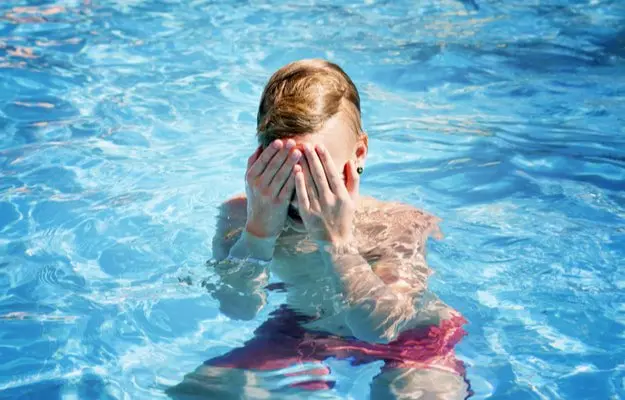
Common Eye Problems When Swimming with Contact Lenses
If you intentionally or accidentally swim with contact lenses, you're at a high risk of experiencing the following conditions:
- Conjunctivitis: Redness, itching, watery eyes, often caused by bacteria or viruses.
- Corneal Ulcers: An open sore on the cornea, which is very painful and can lead to scarring, affecting vision.
- Corneal Abrasions: Small particles in the water or dry lenses can damage the eye surface.
- Severe Dry Eyes: Water on the lens surface evaporates quickly, drawing moisture from the eye.
- Acute Bacterial/Fungal Infection: Pain, redness, swelling, with pus or abnormal discharge.
What to Do If Water Accidentally Gets into Your Eyes While Wearing Contact Lenses
In the unfortunate event that water accidentally splashes into your eyes while you're wearing contact lenses, stay calm and take the following steps as quickly as possible:
- Remove the contact lenses immediately: This is the most crucial step to prevent pathogens from adhering to your eyes.
- Discard the lenses: Absolutely do not attempt to clean or reuse the pair of lenses that have come into contact with water, especially if they are reusable lenses. The risk of infection is extremely high and not worth taking. For daily disposable lenses, discarding them is mandatory.
- Gently rinse your eyes: Use sterile saline solution to rinse your eyes thoroughly, washing away any remaining bacteria or chemicals.
- Monitor for unusual signs: Observe your eyes carefully for at least 24-48 hours following the incident.
>> Contact Lens User Guide: Safe and Convenient Vision for Your Eyes
Warning Signs of Eye Infection — See a Doctor Immediately!
If you notice any of the following symptoms within a few hours or days after water exposure while wearing contact lenses, contact an ophthalmologist immediately or visit the nearest eye clinic:
- Persistent or worsening eye redness.
- Severe eye pain that doesn't subside or increases.
- Burning, stinging, or gritty sensation as if a foreign body is in your eye.
- Continuous tearing or abnormal discharge (pus).
- Swelling of the eyelids or around the eyes.
- Light sensitivity (photophobia).
- Blurred vision, sudden vision loss, or double vision.
These symptoms could indicate a serious eye infection and require prompt treatment to prevent permanent complications, including vision loss.
Safe Solutions for Nearsighted/Farsighted Individuals Who Want to Swim
So, if you can't wear contact lenses, how can you still see clearly and enjoy swimming? Here are some safe and effective solutions:
1. Prescription Goggles
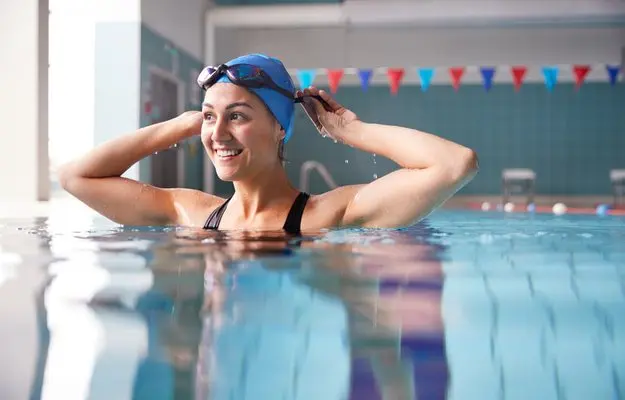
This is the safest and most highly recommended option for individuals with refractive errors who want to swim. Prescription goggles are custom-made with corrective lenses that match your vision prescription (nearsightedness, farsightedness, astigmatism).
Advantages:
- Absolute Safety: Completely prevents water from contacting your eyes, eliminating the risk of water-related infections.
- Clear Vision: Allows you to see clearly underwater without contact lenses.
- Comfortable and Convenient: Can be customized for a snug fit, without causing eye irritation.
- Eye Protection: Provides UV protection and shields your eyes from chlorine or salt.
2. Ortho-K (Orthokeratology)
Ortho-K is a non-surgical solution that's gaining popularity for myopia control, especially in children and teenagers. Ortho-K lenses are special rigid gas permeable contact lenses worn overnight while you sleep. They gently reshape your cornea, providing clear vision during the day without the need for glasses or contact lenses.
Advantages for swimming:
- Complete Freedom During the Day: When you remove Ortho-K lenses in the morning, your cornea has been temporarily reshaped, allowing you to see clearly all day without any visual aids, even while swimming.
- No Water-Related Infection Risk: Since you don't wear the lenses during the day, there are no contact lenses exposed to water while swimming, eliminating the associated infection risk.
- Effective Myopia Control: Also helps slow down the progression of nearsightedness.
3. Refractive Surgery (LASIK, FemtoLASIK, ReLEx SMILE, PRELEX)
For those seeking a permanent and complete solution to refractive errors, refractive surgery methods are optimal choices.
- LASIK, FemtoLASIK, ReLEx SMILE: These laser eye surgery procedures reshape the cornea to correct nearsightedness, farsightedness, and astigmatism, helping you see clearly without glasses or contact lenses. After full recovery (typically a few weeks to several months depending on the type of surgery), you can freely swim without any visual aids.
- PRELEX (Presbyopic Lens Exchange): This surgery replaces your natural lens with an artificial multifocal intraocular lens, suitable for individuals with presbyopia (typically aged 40 and above) who want to correct near, intermediate, and distance vision. After surgery, you'll have clear vision at all ranges, giving you complete freedom when swimming.
Benefits of refractive surgery for swimming:
- Absolute Freedom: No longer dependent on glasses or contact lenses.
- Long-term Safety: Completely eliminates the risk of water-related contact lens infections.
- Convenience: You can swim anytime without preparation or worry.
Conclusion
Wearing contact lenses while swimming poses significant risks to your eye health, including severe infections like Acanthamoeba keratitis. To protect your precious eyes, the strongest recommendation is to avoid wearing contact lenses when in the water.
Instead, consider safer alternatives such as prescription goggles, explore Ortho-K, or discuss the possibility of refractive surgery with your eye doctor for permanently clear vision. Investing in your eye health is an investment in your quality of life.
At European Eye Center, we are committed to providing European-standard eye care and the most suitable treatment plans to help patients regain their vision in a professional, friendly, and comfortable environment. If you have any questions about contact lenses, vision correction methods, or need advice on any eye-related concerns, don't hesitate to contact us for timely answers and support.