Millions of people worldwide rely on contact lenses daily as a safe and convenient solution for correcting most common vision problems. If you're an avid sports enthusiast, prefer not to wear glasses, or simply want a change in your appearance, contact lenses are an ideal choice. What's more, children as young as 8 years old can also use contact lenses if they are properly instructed and understand how to care for them.
This article from European Eye Center will give you a comprehensive overview of contact lenses, offering detailed guidance on how to choose, insert, remove, clean, and store them correctly, helping you maintain healthy eyes.
Common Types of Contact Lenses
Contact lenses are primarily categorized by their material and wearing schedule:
1. Soft Contact Lenses
These are the most commonly prescribed type of contact lenses. They are made from soft, thin, flexible materials, providing a comfortable wearing experience.
- Classified by wearing schedule:
- Daily Disposable Lenses: Worn once and then discarded. These are the most convenient and hygienic option, minimizing the risk of infection.
- Weekly Disposable Lenses: Replaced after one week of use.
- Monthly Disposable Lenses: Replaced after one month of use.
2. Rigid Gas Permeable (RGP) Lenses
RGP lenses are made from a firmer, more durable plastic material than soft lenses, allowing oxygen to pass through to the cornea. While they might take some getting used to for new wearers, RGP lenses generally provide sharper vision and are more durable than soft lenses. They are often prescribed for more complex refractive errors or specific eye conditions.
- Common RGP lens types:
- Spherical Lenses: For individuals with nearsightedness or farsightedness.
- Toric Lenses: Designed for individuals with astigmatism.
- Multifocal Lenses: Help correct both near and distant vision, suitable for those with presbyopia.
3. Cosmetic Contact Lenses (Colored Contact Lenses)
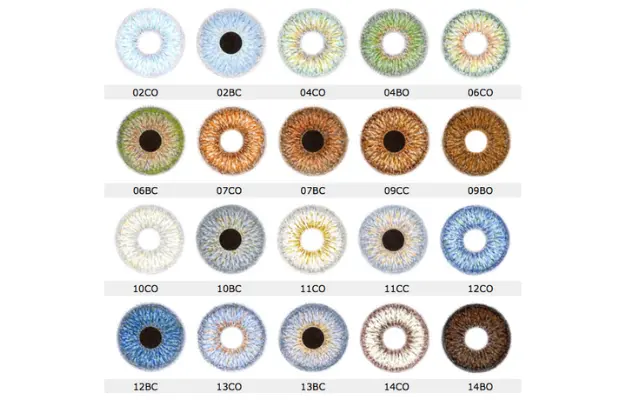
Many brands now offer colored contact lenses (available with or without prescription). These lenses change the natural color of your eyes, perfect for those who wish to alter their appearance or add a unique touch to their eyes. However, using cosmetic contact lenses still requires professional advice from an eye doctor and strict adherence to hygiene rules.
>> All About Contact Lenses: A Complete Guide to Safe and Effective Use
How to Choose the Right Contact Lenses
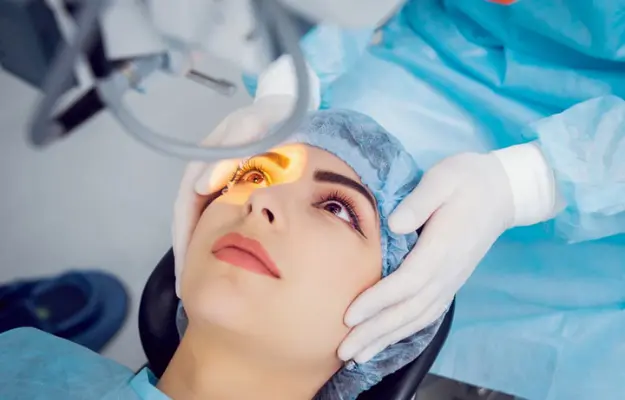
If you've never used contact lenses before, the first and most crucial step is to visit an ophthalmologist for a comprehensive eye examination.
- In-depth Eye Exam: Your eye doctor will assess your overall eye health and determine if you are a suitable candidate for contact lenses.
- Separate Contact Lens Prescription: It's vital to remember that a contact lens prescription is entirely different from a eyeglass prescription. Your doctor won't just determine your refractive error but also measure the specific size and curvature of the contact lens to fit your cornea. This ensures the lens fits snugly and comfortably, providing optimal vision and safety.
- Consultation and Guidance: Your eye doctor will recommend the most suitable type of contact lens based on your needs, lifestyle, and unique eye characteristics.
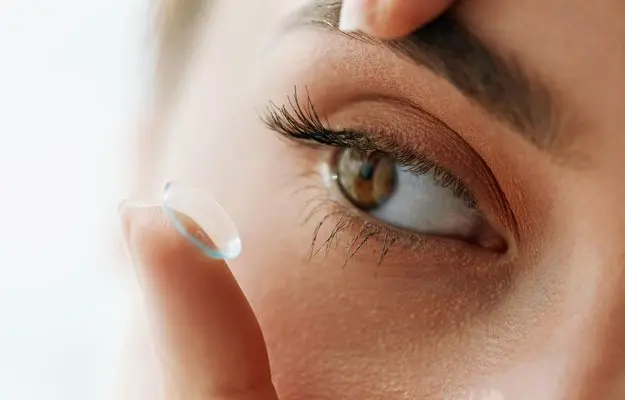
How to Insert and Remove Contact Lenses Correctly
Proper technique for inserting and removing contact lenses is paramount to ensure hygiene and avoid eye injury.
How to Insert Contact Lenses:
- Wash Hands Thoroughly: Always wash your hands thoroughly with soap and water, then dry them completely with a clean, lint-free towel before touching your contact lenses.
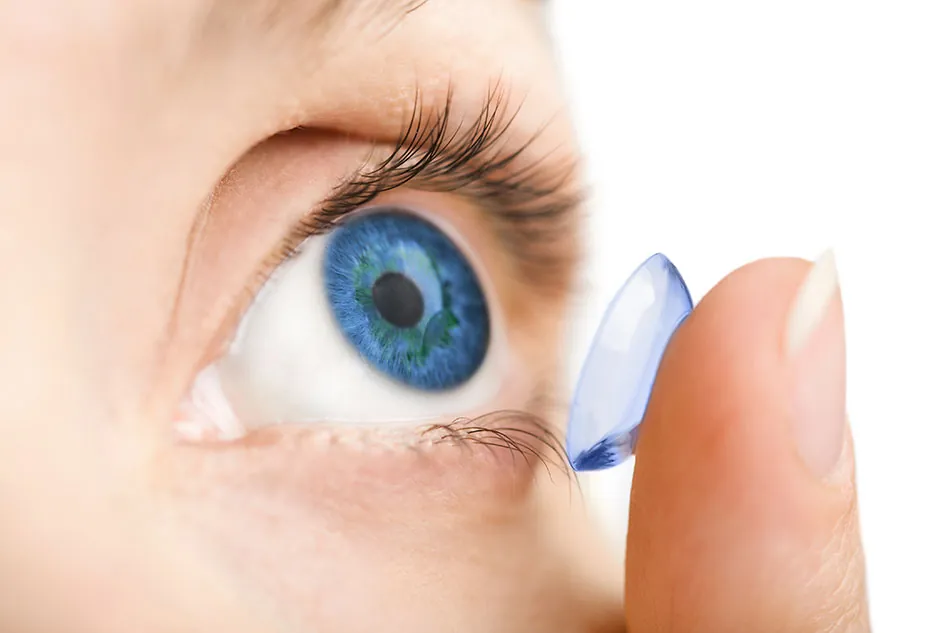
- Check the Lens: Take the contact lens out of its blister pack/case and place it on the tip of your dominant index finger. Make sure the lens has a perfect bowl shape (like a small bowl), isn't inside out, and has no tears.
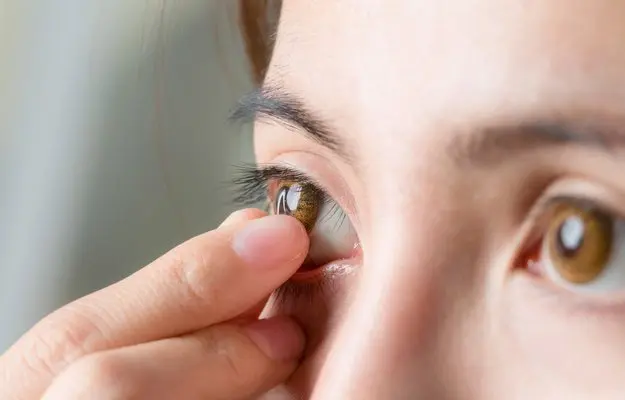
- Hold Eyelids: Use the middle finger of the same dominant hand to gently pull your lower eyelid down. Use the fingers of your other hand to pull your upper eyelid up.
- Place the Lens: Gently place the contact lens onto the cornea (the dark part of your eye).
- Adjust: Look down or blink a few times. The lens should automatically center itself.
- Repeat: Do the same for your other eye.
How to Remove Contact Lenses:
- Wash Hands Thoroughly: Similar to insertion, always wash and dry your hands thoroughly.
- Hold Eyelids: Use two fingers to pull your upper and lower eyelids apart.
- Remove the Lens: Using the index finger and thumb of your other hand, gently touch the contact lens, lightly pinch it, and slowly remove it from your eye. Avoid using your fingernails.
- Dispose or Store:
- Daily Disposable Lenses: Used once and then discarded immediately.
- Other Lens Types: To prevent infection, store them in a clean contact lens case filled with fresh, specialized contact lens solution.
Important Note: Always remove your contact lenses before going to sleep, unless they are specifically prescribed for extended (overnight) wear by your eye doctor.
How to Clean and Store Contact Lenses
Proper cleaning and storage of contact lenses are critical for preventing eye infections and maintaining good eye health.
- Daily Cleaning (for reusable lenses):
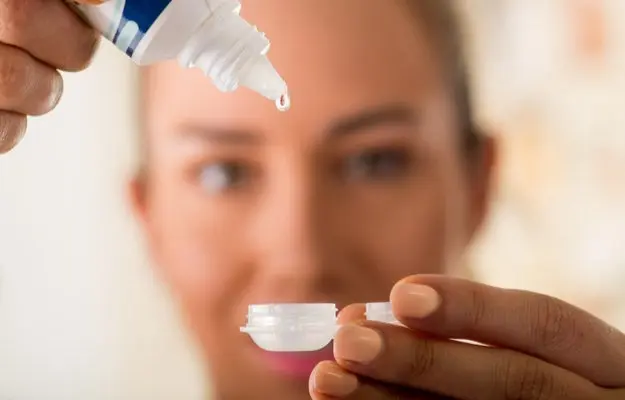
- Pour Solution: Place the contact lens in the palm of your hand and pour a generous amount of fresh contact lens solution over its surface.
- Rub Gently: Using a clean finger, gently rub both sides of the lens in a back-and-forth motion for about 10-20 seconds.
- Rinse: Place the contact lens on the tip of your index finger and rinse both sides of the lens with a little more fresh solution.
- Store: Place the cleaned contact lens into a clean lens case filled with fresh contact lens solution (never reuse old solution).
- Clean the Lens Case: After you've taken out your contact lenses to wear, discard the old solution, rinse the case thoroughly with fresh contact lens solution, let the case air dry naturally, and store it in a clean, dry place. Replace your lens case every three months.
- Never Use Tap Water or Saliva: Absolutely do not use tap water, bottled water, or saliva to rinse or store contact lenses, as they can contain harmful bacteria that can cause serious eye infections.
When to See an Eye Doctor Immediately
Proper contact lens care and use are crucial for preventing eye infections. However, if you experience any of the following symptoms while wearing contact lenses, stop wearing them immediately and see an eye doctor:
- Red Eyes: Eyes become redder than usual.
- Eye Pain: Aching, throbbing, or uncomfortable sensation in the eye.
- Light Sensitivity: Photophobia, discomfort when looking at light sources.
- Eye Discharge: Unusual discharge from the eye.
- Blurred Vision: Sudden or persistent decrease in visual clarity.
- Burning/Gritty Sensation: Feeling like something is in your eye, or a stinging sensation.
These symptoms can indicate an infection or serious complication that requires prompt treatment to prevent permanent vision damage.
Conclusion
Contact lenses offer incredible convenience and flexibility to millions worldwide. However, to safely enjoy these benefits, strict adherence to your eye doctor's instructions and proper hygiene routines are non-negotiable. Your eyes are a priceless asset, and it's our responsibility to care for them properly.
At European Eye Center, we are dedicated to providing European-standard eye care and appropriate treatment plans to help patients regain their vision in a professional, friendly, and comfortable environment. If you have any questions about contact lenses or our other services, please email or call us for consultation and answers.