In the modern world, contact lenses have evolved from a mere medical solution into a symbol of an active, modern, and confident lifestyle. They liberate millions from the dependence on glasses, providing sharp vision and a more comfortable way of life. However, behind this convenience lies a complex science and a strict set of rules that users must master.
This article is a comprehensive guide to contact lenses, a dynamic encyclopedia designed to help you explore every aspect of this product. We will delve into their structure, classifications, selection process, and the most detailed safe contact lens usage instructions. The goal is not just to provide information, but to equip you with the knowledge to become an informed consumer, confidently caring for and protecting your "windows to the soul" in a scientific and effective manner.
What are Contact Lenses? A Look at the Most Common Types
The Science and Mechanism of Contact Lenses
Essentially, contact lenses are ultra-thin lenses made from advanced biological polymer materials such as hydrogel and silicone hydrogel. They are designed to be placed directly on the cornea, conforming to the natural curvature of the eyeball. The mechanism of contact lenses is similar to that of eyeglasses: they adjust the focal point of light so that the image is precisely focused on the retina, correcting refractive errors such as myopia, hyperopia, and astigmatism.
A key feature in their design is oxygen permeability. The cornea has no blood vessels, so it must absorb oxygen directly from the air. Modern materials, especially silicone hydrogel, have superior oxygen permeability (measured by the Dk/t index), which allows the cornea to "breathe" easily, reducing the risk of dry eyes, corneal swelling, and other serious complications.
In-depth Classification of Contact Lenses by Usage Period
The contact lens market is incredibly diverse, but products can be primarily classified by their usage period, making it easier for users to choose a product that fits their needs and lifestyle:
- Daily Disposable Lenses: These are the safest and most hygienic type of contact lenses. Each pair is used only once and then discarded, completely eliminating the need for cleaning and the risk of accumulated bacteria. They are perfect for people with busy schedules, allergies, or those who only wear contacts on special occasions.
- Weekly/Monthly Lenses: These lenses are used for two weeks (bi-weekly) or one month (monthly). They are more cost-effective but require users to strictly follow a daily contact lens cleaning and storage procedure using a specialized contact lens solution.
- Conventional Lenses: These lenses can be used for 6 months to a year. They are less common due to the need for extremely meticulous care and a higher risk of infection over time, as proteins and lipids from tears can build up on the lens surface, creating a breeding ground for bacteria.
- Extended Wear Lenses: These are designed to be worn even while sleeping for a specific period (usually up to 7 days). However, eye care professionals generally do not recommend this practice as it significantly reduces the amount of oxygen reaching the cornea, increasing the risk of infection by 10-15 times.
Classification of Contact Lenses by Function and Material
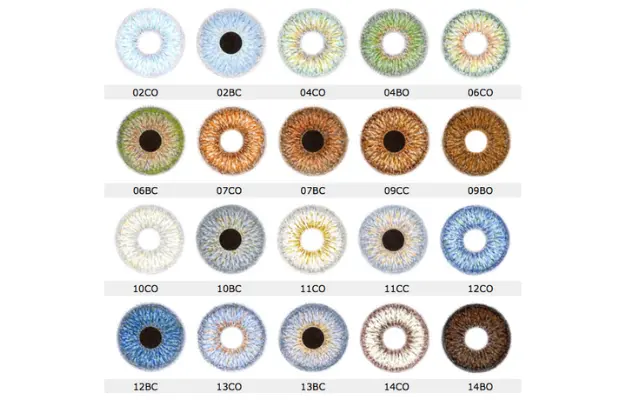
- Cosmetic Lenses: These include colored contact lenses and circle lenses. They not only correct vision but also change eye color and size, adding a touch of personal style to your appearance.
- Therapeutic Lenses: These are used to treat certain corneal conditions, such as keratoconus, or to act as a protective bandage for a damaged cornea.
- Myopia/Astigmatism Lenses (Spherical & Toric Lenses): This is the most common type, used to correct basic refractive errors. Specifically, toric lenses have a special design to correct the uneven curvature of the cornea, providing sharp vision for people with astigmatism.
Benefits and Limitations of Contact Lenses
In-depth Analysis of the Benefits
- Unlimited, Optimal Vision: Contact lenses provide a 180-degree panoramic view without the obstruction of spectacle frames. This is especially crucial for activities that require wide-ranging vision, such as driving, playing sports, or performing on stage.
- Superior Vision Correction: With specialized designs like toric contact lenses, they can correct complex refractive errors that eyeglasses may not handle as effectively.
- Enhanced Confidence and Aesthetics: Not wearing glasses allows the face to look more natural. Additionally, colored contact lenses are an effective beauty tool for changing eye color and adding a unique personal touch while maintaining visual clarity.
- Convenience for an Active Lifestyle: They allow users to comfortably participate in vigorous activities without worrying about glasses falling off, breaking, or fogging up with temperature changes.
Identifying Limitations and Risks
- Risk of Corneal Infection: This is the most significant and serious risk. Wearing lenses past their expiration date, failing to clean them properly, or using tap water to rinse them can lead to infections, corneal ulcers, and even permanent vision loss.
- Dry Eye Syndrome: Contact lenses can reduce the natural tear film, causing a dry, gritty, and uncomfortable sensation, especially for those who work in air-conditioned environments or spend long hours in front of a computer.
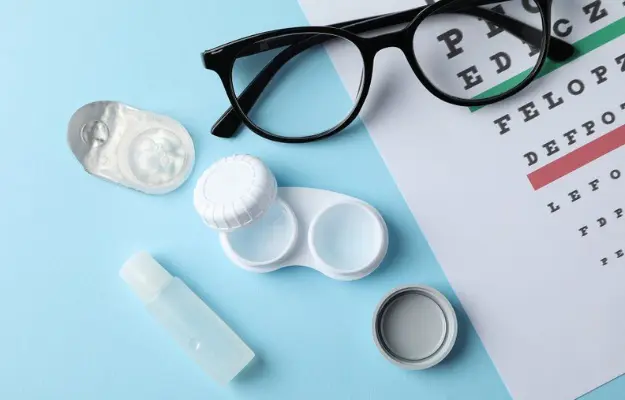
- Recurring Costs and Accessories: The cost includes not only the lenses but also specialized contact lens solution, eye drops, and storage cases. This requires users to maintain a regular budget for these essentials.
- Demand for Discipline and Personal Hygiene: Safe contact lens usage requires a high level of diligence and discipline in hygiene. Any minor slip-up can lead to serious consequences.
How to Choose the Right Contact Lenses
To choose the right pair of contact lenses, you cannot rely on intuition; you must follow a scientific process.
The Importance of Regular Eye Exams
Before purchasing contact lenses, it is mandatory to visit an eye care professional or a reputable optical store for a professional eye exam. The eye doctor will perform a series of in-depth tests to assess your eye health, including:
- Accurate Refraction Measurement (Power): Determining your myopia, hyperopia, or astigmatism prescription.
- Corneal Diameter and Curvature Measurement (Diameter - DIA, Base Curve - BC): This helps select lenses that fit your eyes properly, ensuring they are not too tight or too loose.
- Tear Quality and Dry Eye Assessment: Checking for dry eye syndrome to recommend lenses with appropriate water content and oxygen permeability.
- General Examination of the Cornea and Anterior Chamber: Ruling out any conditions that would contraindicate contact lens wear.
Based on these results, the doctor will prescribe the most suitable lens type, material, and usage schedule for you, ensuring safe and effective contact lens use.
>> Common Refractive Errors and Effective Treatment Methods
Criteria for Selecting Contact Lenses Based on Specifications
Once you have a prescription, you should pay close attention to the following specifications when buying:
- Technical Specifications: Parameters such as power, diameter, base curve, and astigmatism correction (Cyl, Axis) must perfectly match your prescription. Wearing lenses with incorrect specifications can cause eye strain, headaches, and blurred vision.
- Material: Prioritize advanced materials like Silicone Hydrogel. This material allows more oxygen to pass through, helping the cornea "breathe" and reducing the risk of dry eyes.
- Oxygen Permeability (Dk/t): This is the most crucial index. Choosing lenses with a high Dk/t (70 or above) ensures the cornea receives enough oxygen, minimizing the risk of corneal hypoxia.
- Water Content: High water content makes lenses soft and comfortable to wear. However, if the water content is too high, the lenses might draw moisture from your tears, leading to dry eyes.
- Reputable Brands: Always choose genuine contact lenses from major brands with clear origins. Unknown, counterfeit products pose significant risks to your eyes.
The Correct Procedure for Inserting and Removing Contact Lenses
This is the most critical part of the guide, where most new users make mistakes.
Thorough Hygiene Preparation
- Wash Your Hands: Always wash your hands thoroughly with antibacterial soap and water, then dry them with a lint-free paper towel. This is the most important step to prevent bacteria from entering your eyes.
- Clean the Lenses: Before inserting, place the lens in your clean palm, add a few drops of specialized contact lens solution, and gently rub both sides of the lens for 10-15 seconds to remove debris and protein buildup.
Expert Guide to Inserting and Removing Lenses
Insertion Procedure:
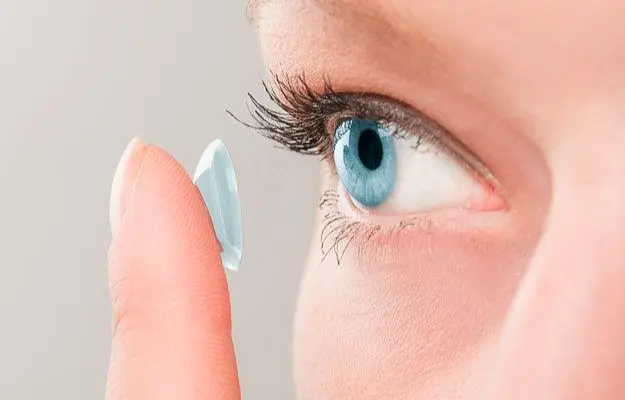
- Check the Lens: Place the lens on the tip of your index finger. Check if it's inside out (the edge should form a perfect bowl shape, not flare outwards).
- Open Your Eye: Use the index finger of your non-dominant hand to hold your upper eyelid, while using the middle finger of your dominant hand to pull down your lower eyelid.
- Place the Lens: Gently bring the lens on your index finger close to your eye and place it on the center of your cornea.
- Finish: Slowly close your eye and roll it around to help the lens settle into place.
Removal Procedure:
- Prepare: Wash your hands thoroughly as in the preparation step.
- Action: Look up and pull your lower eyelid down. With the thumb and index finger of your other hand, gently pinch the contact lens and pull it away from your eye.
Note: If a lens falls, you must rinse it again with contact lens solution before reinserting. Never reuse a lens that has fallen on the floor or other dirty surfaces without proper disinfection.
The Secret to Proper Contact Lens Cleaning and Storage
Cleaning and storage are the keys to safe contact lens use and extending the life of your lenses.
The Importance of Contact Lens Solution
- Use Only Specialized Solution: Never use tap water, distilled water, or saliva. Tap water contains bacteria like Acanthamoeba, which can cause severe, sight-threatening corneal ulcers.
- Use a Multi-Purpose Solution: A multi-purpose contact lens solution is capable of cleaning, disinfecting, rinsing, and storing lenses.
- Do Not Reuse Solution: Always discard the old solution and pour fresh solution into the lens case every day.
Caring for the Lens Case and Other Tips
- Clean the Lens Case: After wearing your lenses, rinse the case with specialized solution and let it air dry naturally. Replace the case every 3 months.
- Do Not Exceed Recommended Wear Time: Strictly adhere to the manufacturer's recommended usage period. Wearing lenses past their expiration date reduces their quality and increases the risk of infection.
- Soak for the Recommended Time: Lenses typically need to soak for 6-8 hours for the solution to effectively clean and disinfect them.
Common Mistakes and How to Avoid Them
Common Mistakes
- Sleeping with Lenses On: This habit reduces oxygen flow to the eyes by up to 95%, causing corneal damage and increasing the risk of infection tenfold.
- Using Tap Water for Rinsing: Tap water contains harmful bacteria that can lead to severe corneal ulcers.
- Reusing Old Solution: Used solution loses its disinfecting properties.
- Wearing Lenses While Swimming or Showering: Water can harbor bacteria and fungi that can stick to the lenses and cause serious infections.
- Not Washing Hands Before Handling: This is the fastest way to transfer bacteria from your hands to your eyes.
Effective Prevention
- Create a Habit: Always make handwashing and lens cleaning a non-negotiable part of your routine.
- Track Usage Time: Record the date you start using a new pair of lenses to know exactly when to replace them.
- Opt for Daily Disposables: If you find it difficult to follow a strict cleaning regimen, daily disposable lenses are the safest solution.
>> Read more: Debunking 5 Common Myths About Contact Lenses
Warning Signs and Expert Advice
If you experience any of the following symptoms while wearing contact lenses, remove them immediately and consult an eye care professional:
- Redness and irritation: Could be a sign of allergy or infection.
- Gritty, painful sensation: A sign of a foreign body on the lens or corneal damage.
- Sudden vision changes: Could be a sign of corneal swelling or a serious complication.
- Increased discharge, tearing, light sensitivity: Classic symptoms of a corneal ulcer.
Expert Advice: Get a professional eye exam every 6-12 months to ensure your eye health. Never self-treat or ignore unusual symptoms, as they can lead to irreversible consequences.
Conclusion
Contact lenses are a fantastic tool that helps us improve our vision and quality of life. However, to fully enjoy their benefits, acquiring safe contact lens usage knowledge is paramount. By understanding the product, strictly following the instructions for inserting and removing contact lenses, and adhering to a scientific hygiene routine, you will maintain healthy and confident eyes.