



How to Read Your Eyeglass Prescription: A Simple Guide from A to Z
Just visited your eye doctor and received a piece of paper filled with numbers and symbols that look complicated? Don’t
Age-related macular degeneration (AMD) is a common eye condition in older adults that affects the central part of the retina, known as the macula, where light-sensitive cells are concentrated. This condition can lead to significant vision loss, particularly in central vision, making it difficult to see fine details and recognize faces. While AMD cannot be completely cured, understanding its causes, symptoms, and preventive measures can help reduce the risks and improve quality of life.
In this article, we’ll explore the causes of AMD, early warning signs to watch for, treatment options, and practical ways to prevent or slow the progression of the disease.

Age-related macular degeneration (AMD) is an eye disease that damages the macula, the central portion of the retina responsible for sharp, detailed central vision. The macula plays a key role in tasks such as reading, recognizing faces, and distinguishing colors. As we age, the cells in this area may gradually deteriorate, leading to blurred or distorted vision in the center of the visual field.
AMD typically affects people over the age of 50 and is one of the leading causes of vision impairment in the elderly. While it does not cause complete blindness, it can significantly interfere with daily activities like reading, driving, and recognizing faces—ultimately reducing a person’s independence and quality of life.
There are two main types of AMD:
>> In addition to AMD, it’s important to be aware of other serious eye conditions like diabetic retinopathy—its causes, symptoms, stages, and treatment options to protect your vision.
AMD is primarily associated with the natural aging process, but several other risk factors can contribute to its development. Here are the most common causes:
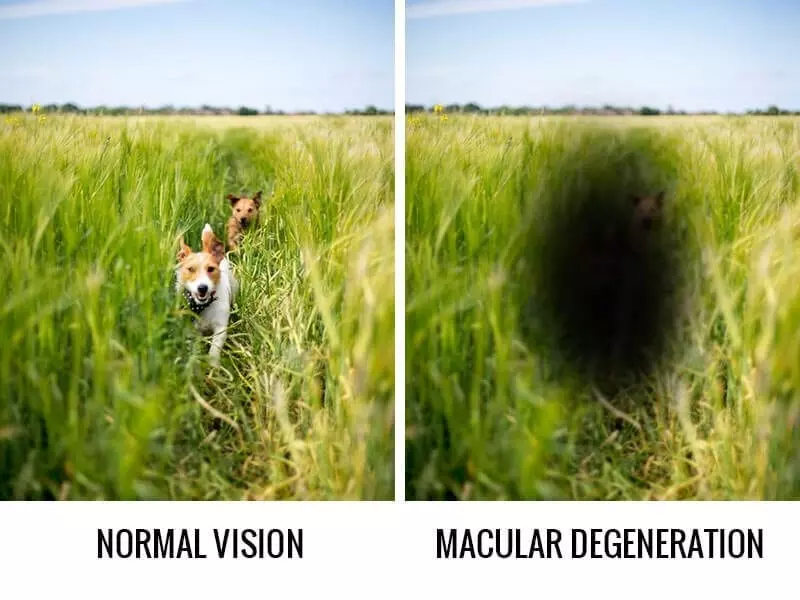
Age-related macular degeneration (AMD) often progresses gradually and may not cause noticeable symptoms in the early stages. However, as the disease advances, several signs can begin to interfere with daily activities. Common symptoms include:
Recognizing these symptoms early and seeking timely examination from an ophthalmologist can help slow disease progression and preserve vision for longer.
>> While preventing AMD is crucial, understanding other eye conditions like glaucoma and its treatments to protect your vision can help you maintain overall eye health.
Currently, there is no cure for AMD, but several treatments can slow its progression and help patients maintain quality of life. Depending on the type and severity of AMD, treatment options include:
For wet AMD, medications like Lucentis, Eylea, and Avastin can be injected into the eye to block vascular endothelial growth factor (VEGF), reducing the growth of abnormal blood vessels and preventing further damage to the macula.
In some cases of wet AMD, laser treatment may be used to seal or destroy abnormal blood vessels under the retina. While not commonly used as a first-line treatment, it may help slow the spread of damage in select cases.
According to the AREDS2 study, a specific combination of antioxidants—vitamins C and E, zinc, copper, lutein, and zeaxanthin—can reduce the risk of progression in intermediate and advanced dry AMD. Diets rich in leafy greens, fruits, fish, and nuts also support long-term eye health.
Though rare, some advanced AMD cases may benefit from surgical interventions such as retinal prostheses or subretinal implants. These procedures aim to preserve remaining vision or enhance light perception, particularly when other treatments are ineffective.
Ongoing clinical trials are exploring the use of stem cells to regenerate damaged retinal cells in AMD patients. While promising, this approach is still experimental and not yet widely available.
Routine eye check-ups with an ophthalmologist are crucial for tracking disease progression and tailoring treatments. Tools such as the Amsler grid can be used at home to monitor changes in central vision between visits.
While there is no definitive cure, early detection and proper management of AMD can significantly slow vision loss and help individuals maintain independence in daily life.
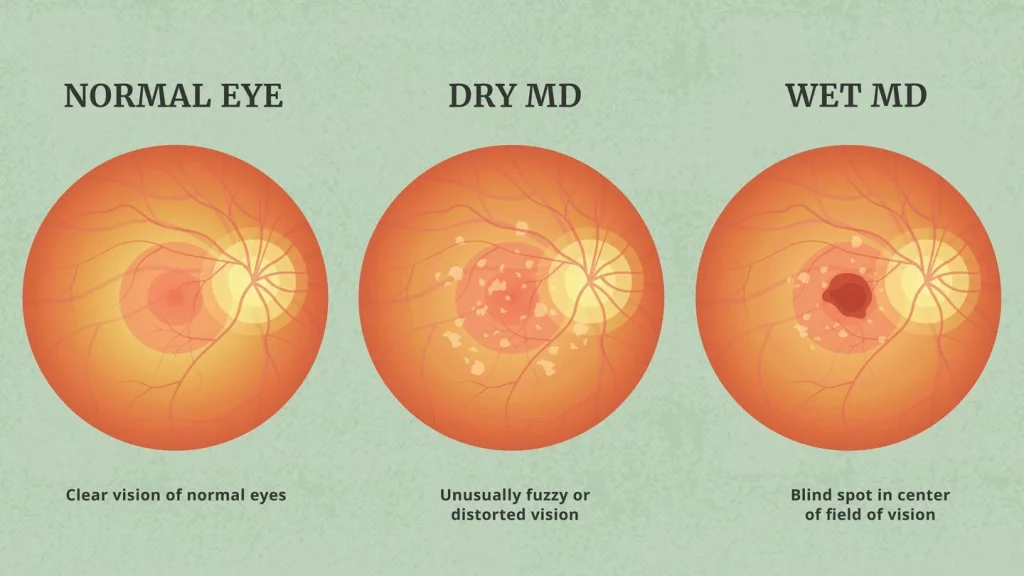
While aging is inevitable and we cannot completely prevent age-related macular degeneration (AMD), there are several effective strategies to reduce the risk of developing the condition or slow its progression. Here are some evidence-based ways to protect your vision as you age:
Age-related macular degeneration is a common condition in older adults and can significantly affect quality of life. While it cannot be completely cured, early detection combined with lifestyle changes and appropriate treatments can slow its progression and preserve vision.
By adopting a healthy lifestyle, managing risk factors, and committing to routine eye care, you can reduce your risk of developing AMD and keep your eyes healthy well into your senior years. Pay attention to changes in your vision, and don’t hesitate to consult an eye care professional if you notice anything unusual. Your future vision depends on the steps you take today.
>> If you are looking to learn more about vision-related issues, check out the latest ophthalmology knowledge articles regularly updated by international doctors at the European Eye Center.
Just visited your eye doctor and received a piece of paper filled with numbers and symbols that look complicated? Don’t

Do you often experience blurry vision, images stretched or distorted, especially at night? Or do you have to squint to

Over the past decade, Vietnam has established itself as a premier destination for medical tourism, particularly in the field of

Contact lenses have long been more than just a vision correction solution; they symbolize confidence, dynamism, and comfort for millions

Swimming is one of the most beloved physical activities, offering both stress relief and overall health benefits. However, for those
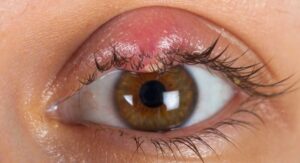
Are you dealing with an annoying, red, and painful lump on your eyelid? That could very well be a stye