Astigmatism
Detection of irregular corneal curvature that distorts vision in children — corrected early to prevent lifelong blur and visual delay.
Đọc thêm →Trẻ em lớn lên cùng với thị lực của mình, và hầu hết các vấn đề sẽ dễ giải quyết nhất khi được phát hiện sớm. Chăm sóc nhi khoa của chúng tôi bao gồm tất cả — từ tầm soát võng mạc cho trẻ sinh non đến đo khúc xạ ở tuổi đi học và kiểm soát cận thị liên tục — trong những căn phòng cảm giác nhẹ nhàng và theo nhịp của bé.
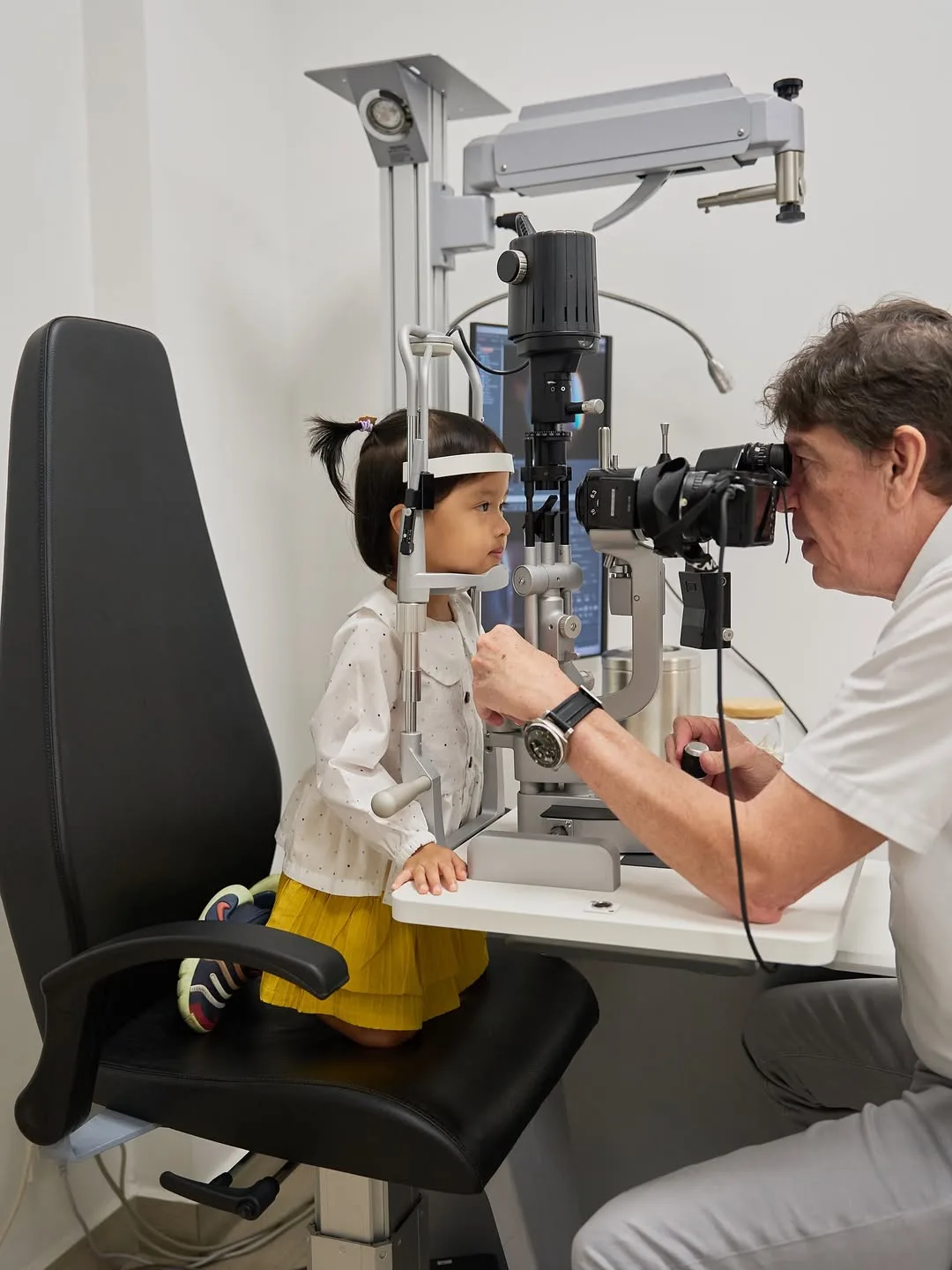
Mắt của trẻ thay đổi nhanh, và các em không phải lúc nào cũng ngồi yên. Chăm sóc mắt cho trẻ em cần phòng khám khác, dụng cụ khác và nhịp độ khác. Dưới đây là cách chúng tôi thực hiện trong thực tế.
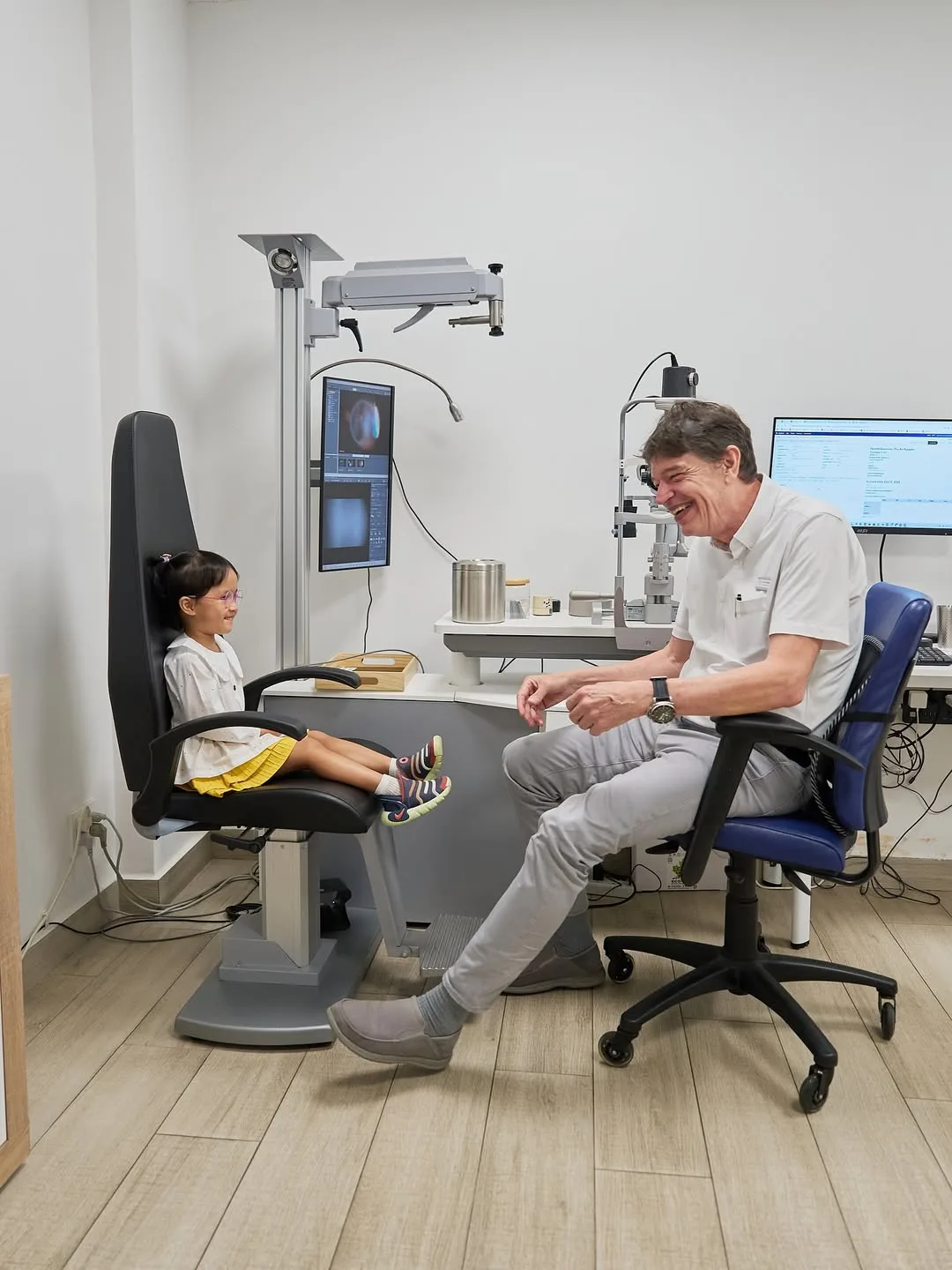
Ánh sáng dịu, ghế thấp, không hối thúc. Buổi khám diễn ra theo nhịp con của bạn cho phép, không phải theo nhịp của đồng hồ.
Thuốc nhỏ làm giãn cơ điều tiết để lộ ra độ khúc xạ thật. Cần thiết ở trẻ em, nhưng nơi khác thường bỏ qua.
Phép đo đáng tin cậy nhất về tiến triển cận thị ở trẻ em. Chúng tôi ghi lại qua từng lần khám để bạn thấy rõ xu hướng.
Trong suốt buổi khám, cuộc trao đổi và phần trình bày kết quả. Bạn thấy điều chúng tôi thấy, và nghe trực tiếp từ chúng tôi trước.
Bảng hình cho trẻ nhỏ nhất, bảng chữ cho trẻ lớn hơn, quan sát hành vi cho trẻ mới biết đi. Bài kiểm tra phù hợp với độ tuổi.
Bệnh võng mạc trẻ sinh non (ROP) được khám bởi bác sĩ chuyên khoa đã tầm soát bệnh này trong nhiều thập kỷ, với trang thiết bị phù hợp để thực hiện đúng cách.
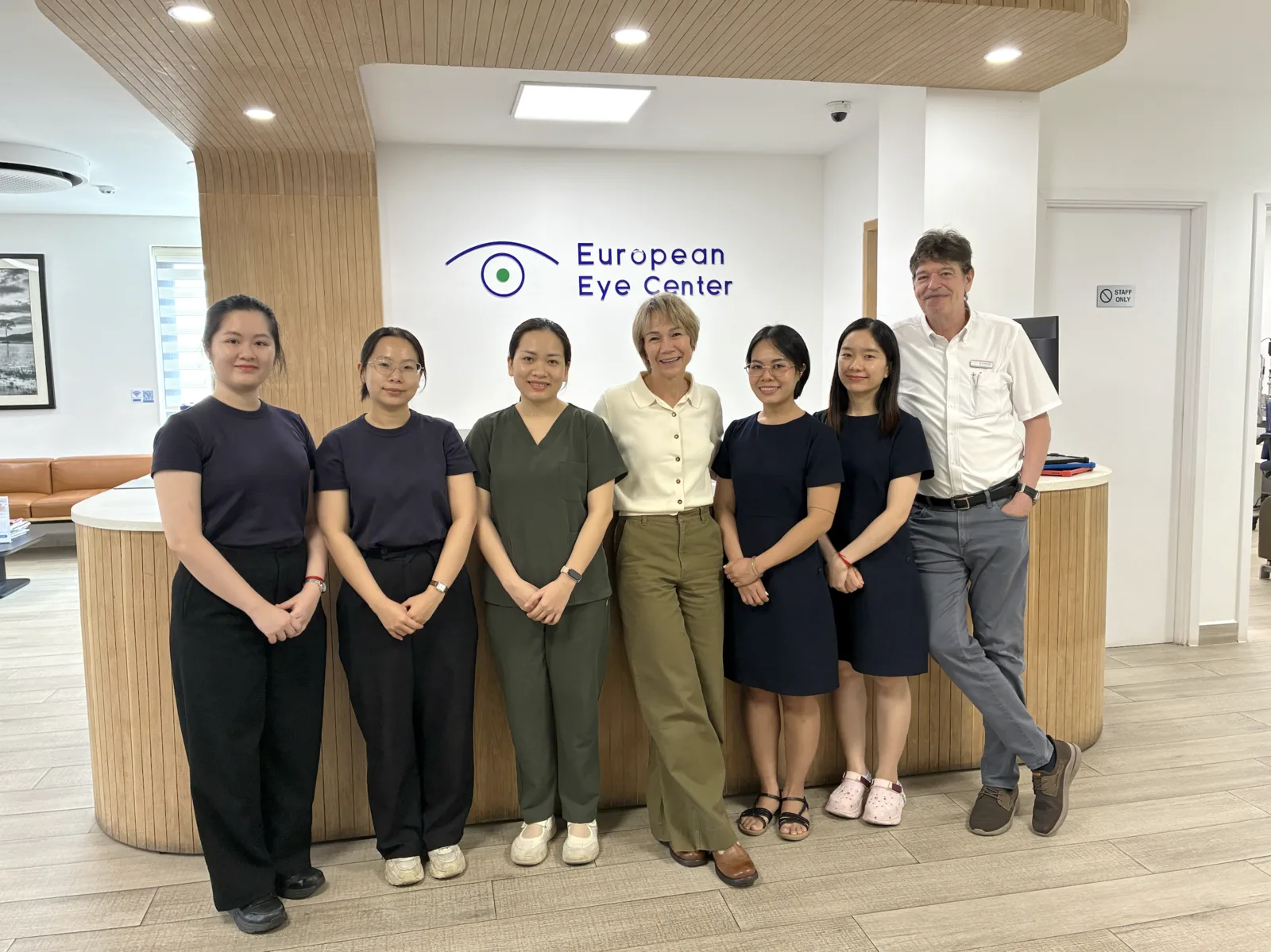
Một buổi khám nhi cần nhiều hơn một bác sĩ. Bác sĩ đo khúc xạ, kỹ thuật viên chẩn đoán hình ảnh và điều phối viên gia đình — mỗi người đều góp phần khiến phòng khám trở nên an toàn cho trẻ.
Trẻ em không biết "bình thường" thấy như thế nào — đó là lý do chúng tôi khám rất kỹ lưỡng, và cũng là lý do các buổi tầm soát sớm rất quan trọng.
Một đứa trẻ có sự khác biệt về thị lực sẽ tự thích nghi với nó từ rất lâu trước khi nghĩ đến việc nói ra. Nhiệm vụ của buổi khám là tìm ra điều mà trẻ chưa thể diễn tả, trong khi cửa sổ để điều chỉnh vẫn còn mở.
Bác sĩ JD Ferwerda, MD · Bác sĩ Nhãn khoa Trưởng
Detection of irregular corneal curvature that distorts vision in children — corrected early to prevent lifelong blur and visual delay.
Đọc thêm →Nhỏ Atropine, kính defocus, Ortho-K — được lựa chọn dựa trên diễn tiến chúng tôi đo được, không theo một phác đồ cố định.
Đọc thêm →Kính đeo qua đêm giúp định hình lại giác mạc, mang lại thị lực rõ nét ban ngày mà không cần đeo kính, đồng thời làm chậm sự dài ra của trục nhãn cầu.
Đọc thêm →Assessment and management of eye misalignment in children — orthoptic care, patching, and surgical referral when needed.
Đọc thêm →Đánh giá bệnh võng mạc trẻ sinh non (ROP) cho các bé sơ sinh có nguy cơ, với soi đáy mắt gián tiếp và bộ kính chuyên dụng cần thiết.
Đọc thêm →Early detection and patching therapy for lazy eye — outcomes are best when treated well before age seven.
Read more →A child's vision is crucial for their development and learning. Regular eye exams help identify and treat potential vision problems early, preventing future complications. Why are regular eye exams important?

Your child should have their first eye exam around 6 months of age. Follow-up exams are recommended at 3 years old and again before they start school. After that, annual check-ups help ensure healthy vision development.
Watch for frequent squinting or eye-rubbing, holding books or devices too close, complaints of headaches or blurry vision, poor school performance or difficulty focusing, and misaligned eyes (crossed or turned eyes). If you notice any of these signs, schedule an eye exam promptly.
Our general eye consultation for children includes a medical history review, visual acuity test, refraction test, eye alignment and movement test, slit-lamp examination, biometry (eye size measurement), and colour vision test when needed. You will leave with any relevant prescriptions or medications and a detailed consultation with our experienced European ophthalmologists. Diagnosing certain conditions requires retinoscopy and cyclopentolate eye drops to relax the eye's focusing, which take 45–60 minutes to take effect.
Expert care by Dr. JD Ferwerda, a Dutch ophthalmologist with 30+ years of experience; specialised services like ROP screening, myopia management, and more; a child-friendly environment with modern diagnostic tools; and personalised, compassionate care tailored to each child's needs.
An exam usually takes about 45–60 minutes, especially if eye drops (such as cyclopentolate) are needed to relax the eye's focusing mechanism.
Yes. We use child-friendly tools and techniques to make exams comfortable and engaging while still getting an accurate reading. Procedures like skiascopy demand extra time and skilled handling; cyclopentolate drops prevent your child's focusing so we can measure the eye's true refractive power.
The most common are refractive errors (myopia, hyperopia, astigmatism), amblyopia (lazy eye), strabismus (crossed eyes), and vision loss. Refractive errors affect how light enters the eye. Amblyopia — the brain favouring one eye over the other — is the leading cause of childhood vision loss. Strabismus is misalignment that can lead to amblyopia if untreated. If you suspect any of these, an early specialist exam is the best step.
Strabismus is treatable through a combination of glasses, eye exercises, and — in some cases — specialised treatments or surgery. Early intervention is key to improving eye alignment and preventing vision loss.
Myopia progression can be managed with treatments like Orthokeratology (Ortho-K), specialised myopia-control glasses, atropine drops, and lifestyle changes such as reducing screen time and encouraging outdoor activities.
Eye clinics provide comprehensive eye care that goes beyond checking for glasses. At European Eye Center, experienced ophthalmologists can diagnose and treat a wide range of conditions — including lazy eye (amblyopia), crossed eyes (strabismus), and Retinopathy of Prematurity (ROP) — with advanced diagnostic tools that assess your child's overall eye health and visual development. Optical stores typically focus on fitting glasses and may lack the specialised equipment or medical expertise to detect complex eye conditions.