


Bệnh lý về mắt / Đục thủy tinh thể

Đục thủy tinh thể

Đục thủy tinh thể là một phần tự nhiên của quá trình lão hóa mắt — hầu như ai rồi cũng sẽ gặp phải. Các bác sĩ chuyên khoa được đào tạo tại châu Âu của chúng tôi dành thời gian đánh giá kỹ lưỡng tình trạng của bạn và giúp bạn hiểu rõ khi nào — nếu có — là thời điểm thích hợp để bước sang giai đoạn tiếp theo.

Changes in vision

Signs of a cataract

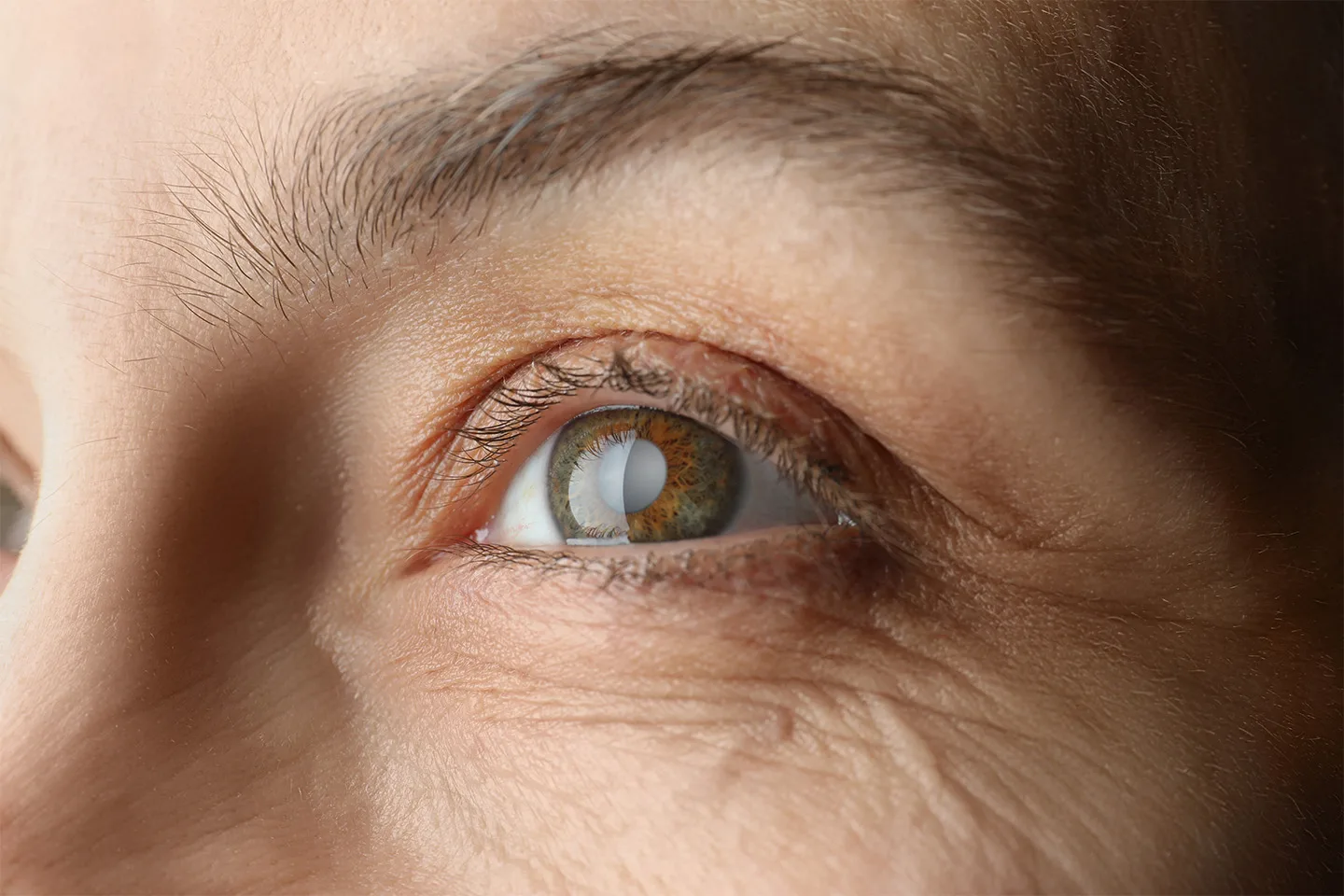
A cataract is a clouding of the eye's natural lens — the clear, flexible structure behind the pupil that focuses light onto the retina. With age, the proteins in that lens slowly cluster together, scattering light instead of letting it through cleanly. The result is gradual blur, glare, and faded colour. Most age-related cataracts develop gradually over many years.

Gradual blur that new glasses no longer fix

Halos or glare around headlights at night

Colours looking duller or more yellow than they used to

Frequent changes in your glasses prescription

Chăm sóc đục thủy tinh thể bắt đầu bằng một cái nhìn kỹ lưỡng — và một cuộc trò chuyện thẳng thắn về thời điểm.

Các bác sĩ chuyên khoa của chúng tôi đo lường thủy tinh thể một cách chính xác, loại trừ các nguyên nhân khác gây nhìn mờ, và cùng bạn xem xét các lựa chọn mà không hề tạo áp lực. "Chưa đến lúc" thường là câu trả lời đúng.

Đặt lịch khám Cách chúng tôi làm việc
Why it matters

Easy to dismiss as normal ageing

Early cataract often shows up as glare at night, slowly faded colours, or a vague feeling that vision "isn't what it was" - symptoms that are easy to put down to general ageing.

A new glasses prescription may improve vision temporarily, but a comprehensive eye examination is needed to determine whether a cataract is contributing to the change. A specialist exam combines slit-lamp evaluation of the lens with biometry and a macular OCT, so you understand whether the cataract is the actual cause of the change.

Mistaken for normal age-related vision change

Glasses prescriptions can mask cataract progression

Confirmation needs slit-lamp examination and macular OCT

How we approach cataract

Measure carefully. Explain honestly. Time it right.

Our cataract assessment begins with visual testing, slit-lamp examination and a dilated retinal assessment. When surgery is being considered, additional measurements may include biometry, corneal topography and macular OCT.

We measure how the cataract is affecting your real vision, not just whether it's there. Many patients come in worried that they need surgery and leave with a clear monitoring plan; others have a frank conversation about treatment and timing. Either way, the decision remains yours.

Slit-lamp examination and cataract grading

Macular OCT and corneal topography for the wider picture

An honest conversation about timing and options

"Tôi đưa mẹ đến đây để phẫu thuật đục thủy tinh thể — buổi tư vấn của bác sĩ rất tận tình và chu đáo, còn các phiên dịch viên thì thực sự ân cần trong suốt buổi khám."

Tuyết Trần — Google Review

Gặp bác sĩ chuyên khoa của bạn

Được chăm sóc bởi các bác sĩ chuyên khoa mà bạn sẽ gặp trực tiếp.

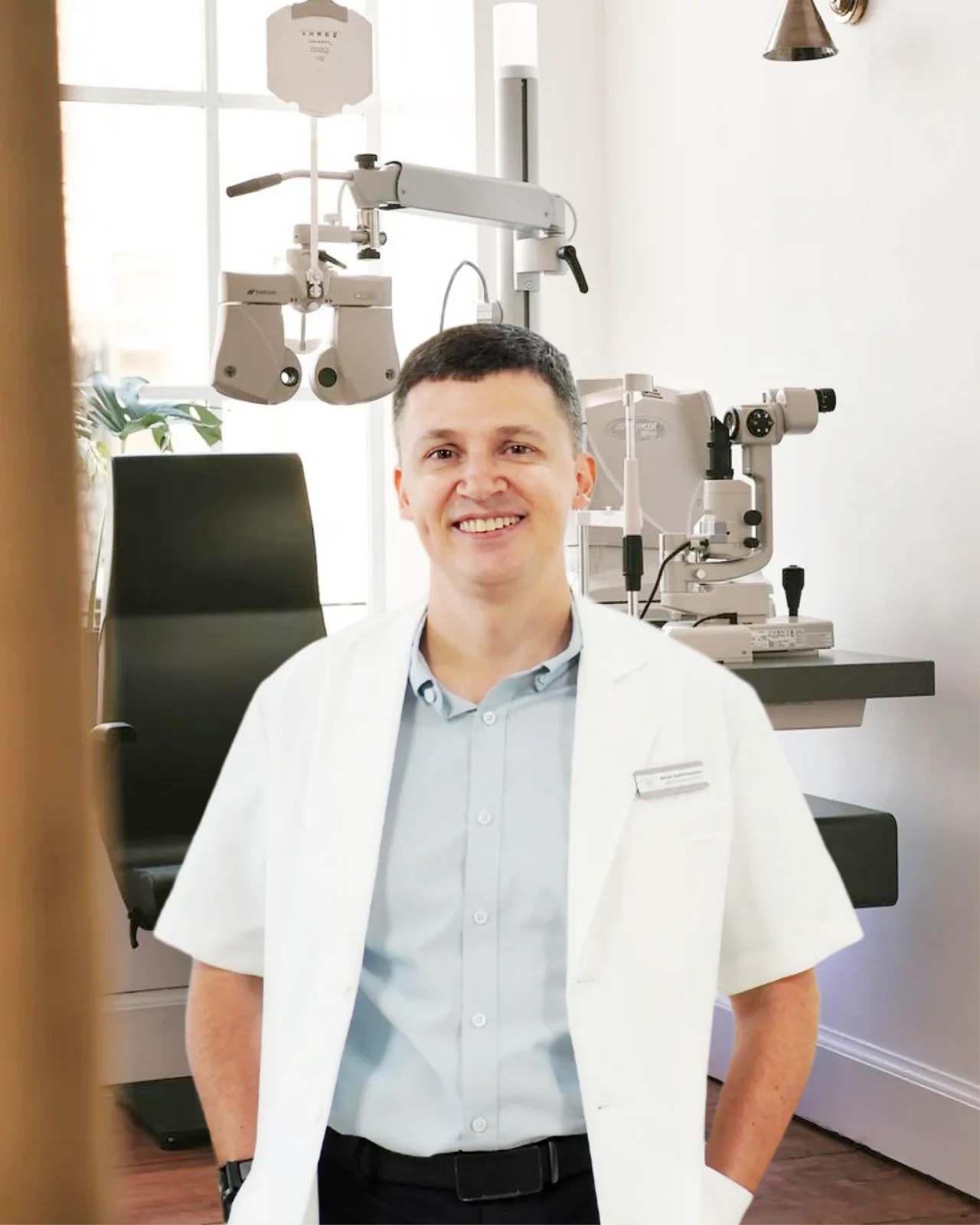
Dr. JD Ferwerda
Bác sĩ nhãn khoa trưởng · Đục thủy tinh thể, Thủy tinh thể & Võng mạc

Bác sĩ JD Ferwerda, MD

Bác sĩ nhãn khoa được đào tạo tại Hà Lan với hơn 30 năm kinh nghiệm lâm sàng tại châu Âu và vùng Caribbean. Fellowship về dịch kính - võng mạc tại Utrecht; chuyên sâu về đục thủy tinh thể, thay thủy tinh thể, tăng nhãn áp (glôcôm) và quản lý thoái hóa điểm vàng do tuổi (AMD).